Mandy Croft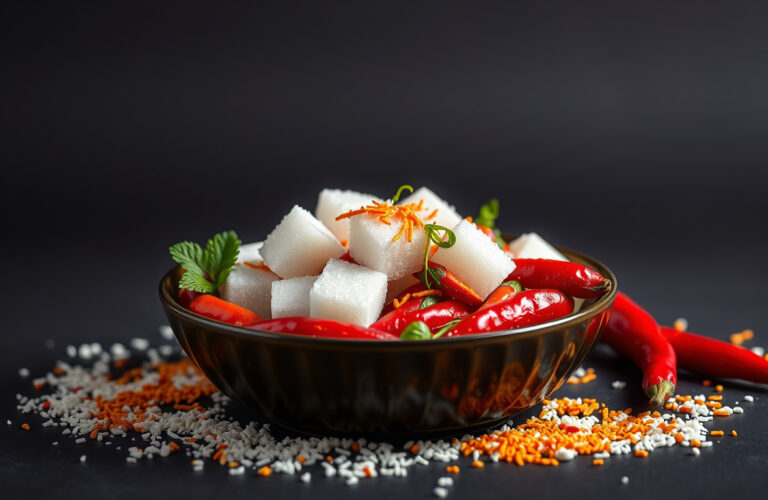
## How to Fix Too Spicy Food: Balance the Burn Fast
Made your food too spicy?
Don’t worry.
You don’t have to throw it away.
You can save your meal easily.
Adding sugar is the secret.
It balances the heat quickly.
It creates a perfect harmony of flavors.
Learn how to fix your dish now.
Why Sugar Balances Spicy Food
The sensation of spiciness primarily comes from a compound called capsaicin found in chili peppers. Capsaicin binds with receptors in your mouth that normally detect heat, triggering a burning feeling. Sugar doesn’t neutralize capsaicin chemically, but it helps by providing a contrasting flavor profile—sweetness. This sweet contrast can mask some of the harshness and intensity of the heat, making the overall flavor seem gentler and more rounded.
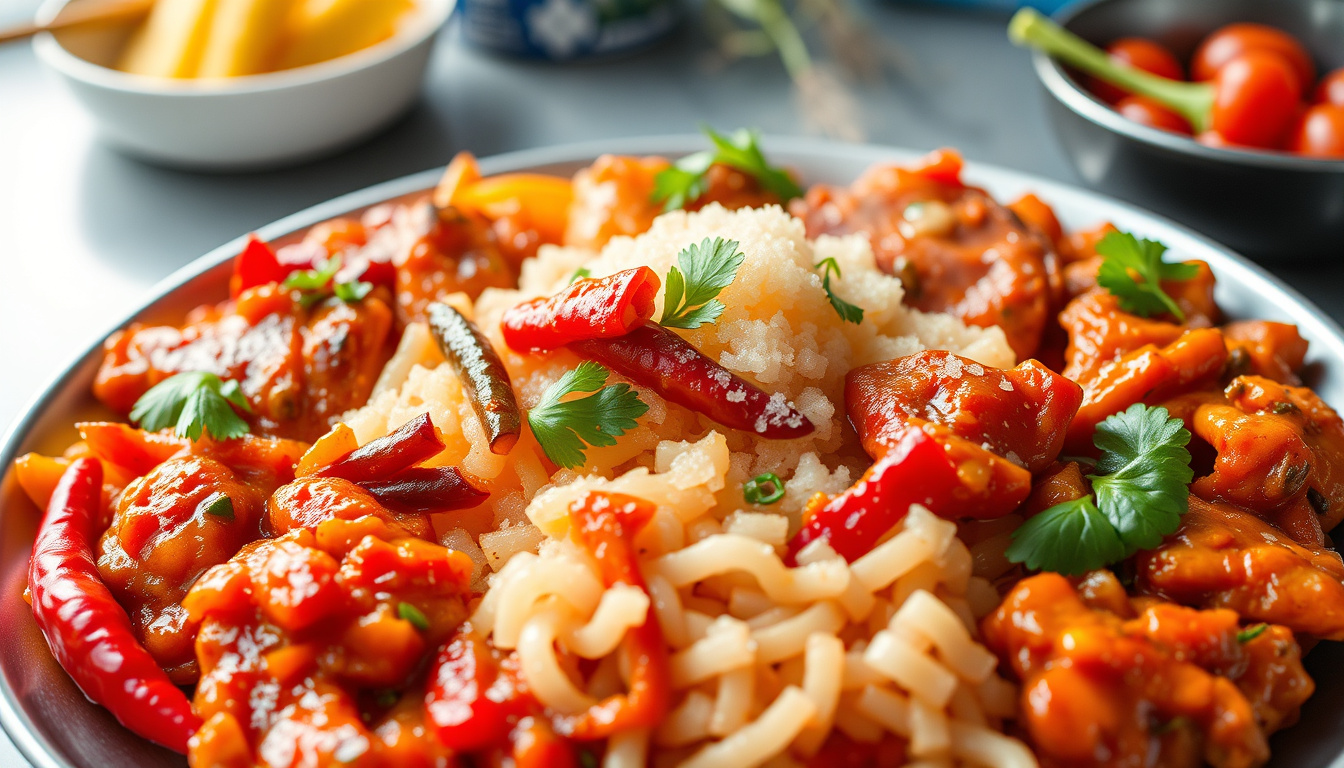
In addition, sugar can complement the complexity of many spicy dishes, especially those from Asian, Mexican, and Indian cuisines, where sweet and spicy elements often work together harmoniously. The key is moderation: a small touch of sugar can balance the heat without turning savory meals into desserts.
How to Add Sugar to Balance Spicy Dishes
1. Add Sugar Gradually and Taste Often
Start with a small amount—such as half a teaspoon—and stir it into the dish thoroughly. Taste before adding more, as it’s easy to over-sweeten. The goal is to soften the pepper burn without compromising the dish’s intended flavor.
2. Use Different Types of Sweeteners
While white granulated sugar is common, other sweeteners can add sweetness along with unique flavor notes:
- Brown sugar: Adds sweetness with a mild molasses flavor, suitable for stews and barbecue sauces.
- Honey or maple syrup: These liquid sweeteners dissolve easily and impart floral or earthy undertones that enhance many savory dishes.
- Palm sugar or jaggery: Frequently used in Southeast Asian cooking, these add nuanced sweetness that pairs beautifully with spicy curries and soups.
3. Combine Sugar with Other Balancing Ingredients
Pairing sugar with acid or fat can multiply its effectiveness. Acidic ingredients like lime juice, vinegar, or tomatoes brighten flavors and offset heat, while fats like butter, cream, or coconut milk coat the mouth to dull the burn. Adding sugar alongside these ingredients helps create a multi-dimensional balance.
4. Consider the Dish Type
- Soups and stews: Sugar dissolves and distributes evenly, making it easy to adjust sweetness.
- Sauces and marinades: Start with small amounts since these can concentrate flavor.
- Dry spice rubs or grilled dishes: Use sugar in moderation or in accompanying dips and sides, as direct application can cause charring.
Other Strategies to Soften Spicy Heat
While sugar is a powerful tool, combining it with other tactics can optimize results:
- Dilution: Add more vegetables, broth, or starches like rice and potatoes to reduce the spice concentration.
- Dairy: Yogurt, sour cream, or milk neutralize heat with their fat and cooling effect.
- Nut butters: A spoonful of peanut or almond butter adds richness and mellows heat subtly.
- Serving with bland sides: Breading food or adding plain grains can diffuse the spiciness as you eat.
Conclusion
Using sugar to balance spicy dishes is a subtle art that enhances the overall flavor experience. By adding a touch of sweetness, you neutralize some of the burning heat and create a more nuanced, satisfying dish. Remember to add sugar carefully and taste frequently to avoid oversweetening. When combined with other balancing ingredients like acid, fat, or starches, sugar ensures that your spicy creations remain delicious and enjoyable for everyone at the table.
Enjoy the sweet harmony in your kitchen and turn fiery mishaps into perfectly balanced meals!