Mandy Croft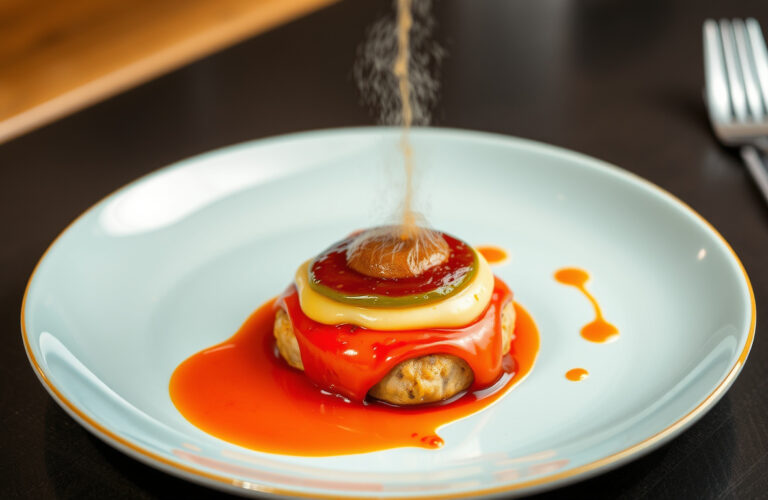
## How to Layer Sauces for Maximum Flavor
Want to cook like a professional chef at home?
The secret is layering flavors with multiple sauces.
This simple technique elevates ordinary meals into extraordinary dishes.
By combining different elements, you create deep, complex flavors.
## Why You Should Layer Sauces
* Adds Instant Depth: Makes simple ingredients taste complex and rich.
* Balances Your Dish: Easily mixes sweet, salty, sour, and savory notes.
* Upgrades Home Cooking: Transforms standard weeknight dinners into restaurant-quality meals.
The Art and Science of Flavor Layering
Flavor layering is the practice of building tastes step-by-step, allowing each element to complement and enhance others without overpowering the dish’s main ingredient. This technique draws on balancing core flavor components—salt, fat, acid, and heat—while optionally incorporating sweetness, spice, and texture, including crunch.
The Four Pillars of Flavor
- Salt: More than simply seasoning, salt intensifies other flavors and can transform ingredients by drawing out moisture or deepening tastes, such as a light brine on fish or salting tomatoes before serving.
- Fat: Adds richness and mouthfeel—whether through oils, butter, or creamy dairy. Fat helps carry flavors and smooth out heat or acidity.
- Acid: Brightens and lifts a dish, cutting through richness. Citrus juices, vinegar, and fermented ingredients can enliven flavors, such as a squeeze of lemon finishing grilled fish or a splash of vinegar in dressings.
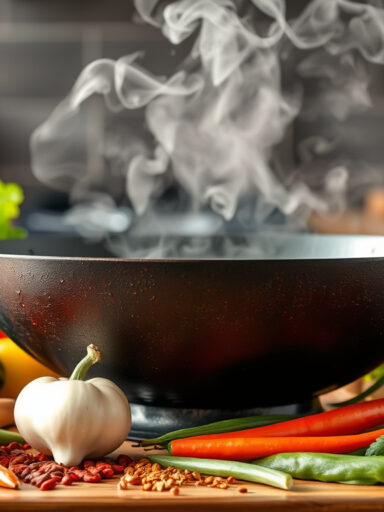
- Heat: The cooking method itself represents a layer of flavor—searing, roasting, or grilling imparts smokiness, caramelization, and complexity through the Maillard reaction.
Optional Enhancers
- Sweetness: Balances acidity and spice, even in savory dishes (think of a touch of honey in a barbecue sauce).
- Spice: Adds depth and excitement; chili powders, pepper, and exotic blends like chaat masala offer warmth and complexity.
- Crunch/Texture: Offers contrast that enlivens the palate, such as crisp fried shallots or toasted nuts.
Using Multiple Sauces to Layer Flavors
Multiple sauces each contribute unique flavor dimensions. By layering sauces directly, or pairing sauces with complementary seasonings, you deepen the taste experience:
- Start with a Base Sauce: This could be a rich tomato sauce, creamy béchamel, or nutty mole. Think of it as the foundation.
- Add a Secondary Sauce for Contrast: Incorporate a tangy vinaigrette, spicy chili sauce, or a lemon-herb gremolata on top. This contrast enlivens the dish and adds complexity.
- Finish with a Drizzle or Dollop: Use a finishing sauce such as a yogurt raita, flavored oil, or balsamic glaze to add brightness, cooling effects, or sweetness at the last moment.
Example: A grilled chicken breast can be seasoned with a smoky barbecue sauce as the base, topped with a spicy chili sauce to introduce heat, and finished with a cooling cilantro-lime crema to balance the layers.
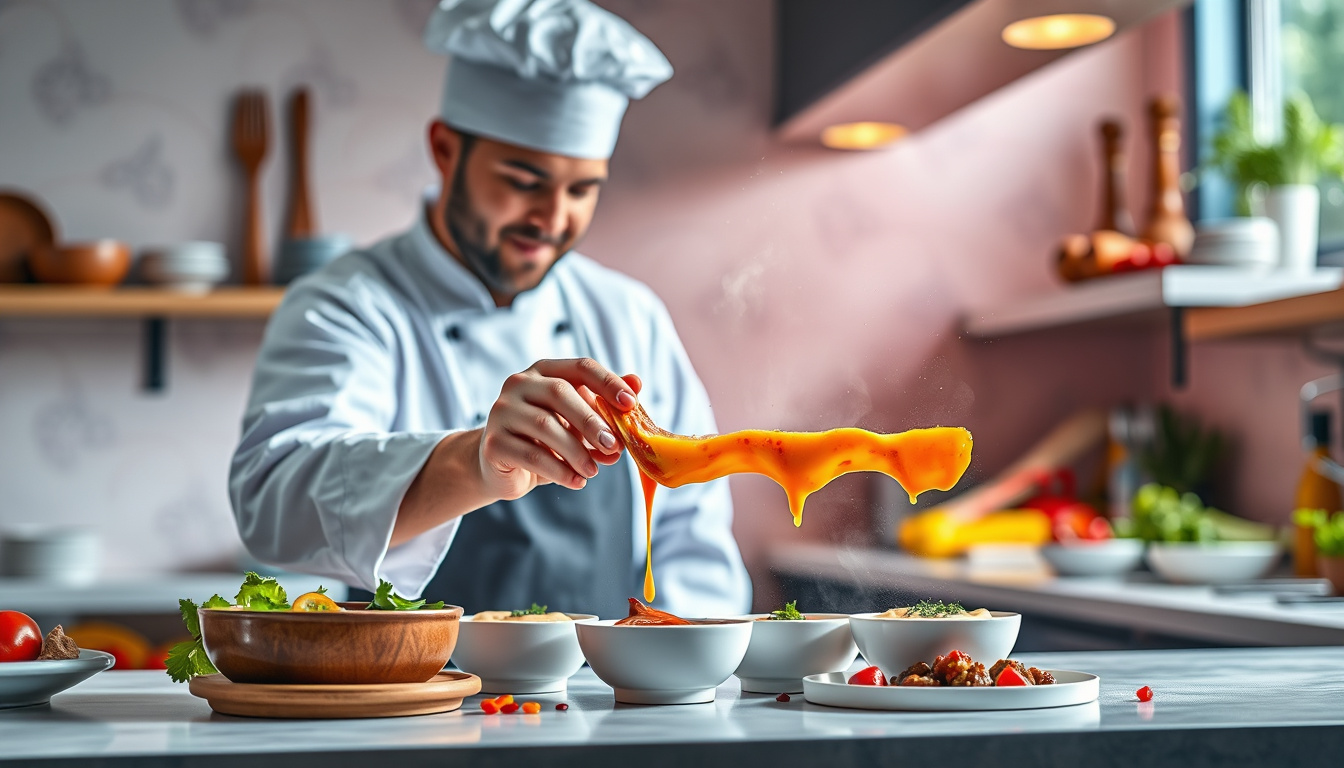
Practical Approach: Building a Layered Dish on the Fly
- Identify the Main Ingredient: Protein, vegetable, or starch.
- Apply Salt Early and Throughout: Salt the protein before cooking and adjust seasoning after.
- Choose Fats Wisely: Use a cooking fat that complements the flavor profile (olive oil for Mediterranean, butter for French).
- Incorporate Acid: Marinate, dress, or finish with an acidic element.
- Introduce Secondary Sauces: Select complementary sauces or dressings that add contrasting flavors and textures.
- Add Spice and Texture: Sprinkle spices or crunchy elements as garnishes to create a layered palate.
- Taste and Adjust Continuously: Layer flavors gradually, tasting after each addition to maintain harmony.
Example Flavor Layering for a Chickpea Salad
- Base: Chickpeas (main ingredient)
- Salt: Capers or kosher salt sprinkled lightly
- Fat: Olive oil dressing
- Acid: Lemon juice or tamarind chutney
- Spice: Chaat masala or chili powder
- Crunch: Fried garlic or croutons for textural contrast
This thoughtful assembly results in a multidimensional dish that is vibrant, balanced, and flavorful.
Why Layering Matters
Layering flavors is not just about technique—it enhances the sensory experience. When done effectively:
- Flavors unfold over time, engaging taste buds in stages.
- Complementary contrasts keep each flavor distinct yet harmonious.
- Aroma, texture, and temperature interact with taste to heighten enjoyment.
- It reflects culinary creativity and cultural influences that resonate with diverse palates.
Insights from Culinary Experts
- Sophisticated sauces like Mexican mole showcase how to combine roasted, toasted, and charred ingredients in harmony.
- Modern chefs use aroma and texture strategically to prepare the palate even before tasting.
- Using different forms of flavoring (powders, oils, extracts) layers complexity and intensifies overall flavor.
Tips for Success With Multiple Sauces
- Add sauces in layers, not all at once, to avoid overwhelming the palate.
- Use complementary, not competing flavors between sauces.
- Keep in mind the role of cooking methods—each stage of heat application enhances specific flavor notes.
- Experiment and adjust based on taste; there are no strict rules, only balance.
- Always taste throughout the process to ensure harmony.
Conclusion
Mastering flavor layering with multiple sauces is a powerful way to unlock culinary magic. By thoughtfully combining salt, fat, acid, heat, and complementary elements through well-chosen sauces, cooks can create dishes bursting with nuanced, memorable flavors. Whether preparing a home-cooked meal or refining professional recipes, this approach invites creativity, elevates ingredients, and delights the senses with every bite.