Mandy Croft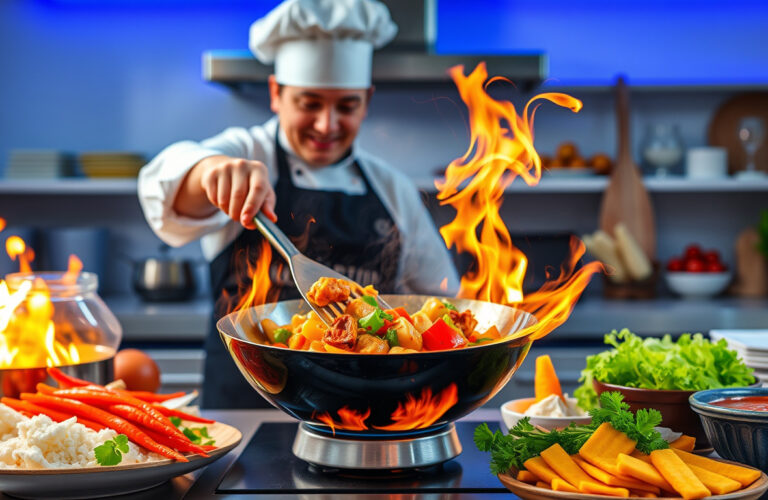
Stir-frying is more than just a cooking method—it’s an art form that combines speed, precision, and creativity. Whether you grew up in bustling Asian kitchens or are just discovering this technique, mastering stir-fry is a rewarding journey that transforms everyday ingredients into vibrant, flavorful meals. The key? Practice makes perfect.
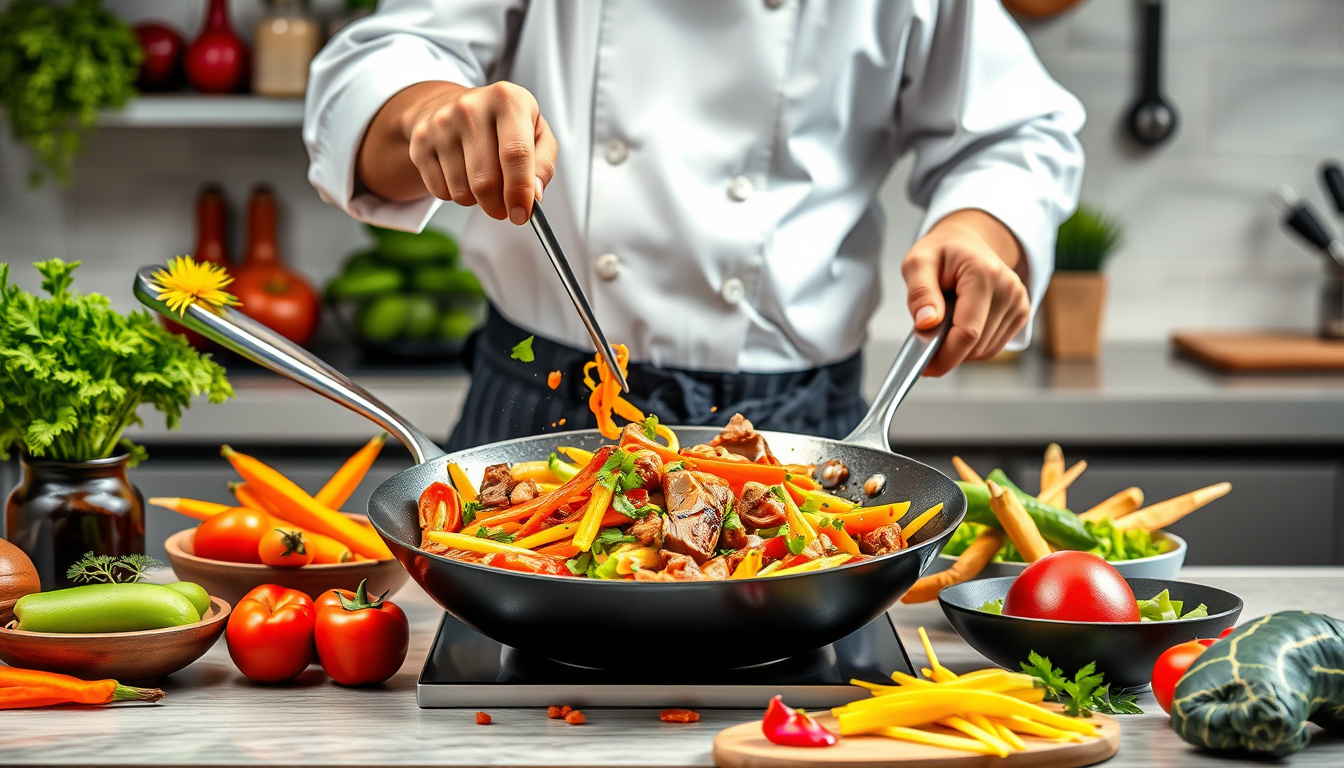
In this article, we’ll guide you through understanding the fundamentals of stir-frying, common pitfalls to avoid, and tips to hone your skills into mastery.
Understanding Stir-Fry: The Basics
At its core, stir-frying involves cooking food quickly over very high heat in a small amount of oil. Originating from Chinese cuisine, it is now a global favorite due to its speed, health benefits, and versatility.
The Three Core Components of Stir-Fry
-
The Nuggets: This refers to the chunky pieces of your stir-fry—protein and/or vegetables. These can vary from chicken, beef, pork, fish, eggs, tofu, to an array of vegetables, or even leftovers. The trick is to slice proteins thinly—especially chewier meats like beef or pork—to ensure fast, even cooking. Vegetables should be cut into uniform pieces for consistent texture.
-
The Sauce: The sauce provides essential taste elements—salty, sweet, sour, and umami—balancing and elevating your dish. Common salty elements include soy sauce, oyster sauce, fish sauce, fermented pastes, or seasoning sauces. Sweetness can come from white or brown sugar, palm sugar, honey, or sweet soy sauce variants. Sour notes may derive from vinegar, tamarind, or a splash of vinegar-based hot sauce. Umami often comes naturally from salty sauces but can be enhanced subtly with additives like MSG.
-
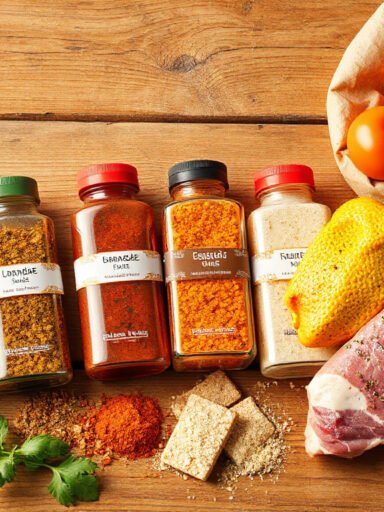
The Aromatics: These include garlic, ginger, shallots, chilies, herbs like Thai basil or cilantro, and spices. Though optional, aromatics add complexity and depth, bringing the stir-fry to life with layers of fragrance and flavor.
Essential Techniques for Success
Prep is Everything
Stir-frying moves fast, so have every ingredient chopped, measured, and ready to go before heating your pan. This organization prevents overcooking and ensures smooth workflow.
Heat Up Properly
Preheat your wok or skillet until it’s smoking hot. The ideal stir-fry pan is a carbon steel wok due to its heat distribution and ability to develop ‘wok hei’ — the smoky charred flavor characteristic of authentic stir-fry. However, a large, heavy skillet can suffice if you don’t have a wok.
Adding oil to a cold pan is a common mistake. Instead, heat your pan first and then add a high smoke point oil like peanut, avocado, or grapeseed oil. This method prevents ingredients from sticking and ensures a proper sear.
Cook in Batches
Avoid crowding your pan. Overcrowding traps steam, leading to soggy, steamed food instead of crisp, vibrant stir-fry. Cook proteins and hardy vegetables like broccoli or carrots first, then remove and add tender vegetables later to control each ingredient’s optimal texture.
Layer Flavors Thoughtfully
Start with aromatics to infuse your oil and base flavor. Add proteins next, spreading them in a single layer to sear evenly and develop browning. Remove protein to avoid overcooking, then stir-fry vegetables before combining everything with your sauce. Adding delicate aromatics again near the end can impart fresh, bright tastes.
Master Your Sauce
A punchy sauce seals the deal. It should be concentrated and balanced to complement, not drown, your ingredients. Combining salty, sweet, sour, and umami elements with a touch of thickener like cornstarch creates perfect clingy sauces that coat your stir-fry beautifully.
Common Mistakes and How to Avoid Them
- Using the wrong pan: Avoid shallow pans; a proper wok’s high, sloping sides maximize heat and movement.
- Cutting ingredients too large or unevenly: Uniformity ensures even cooking.
- Being unorganized: Always prep fully before cooking.
- Not heating the pan enough: A searing hot pan locks in flavor and texture.
- Adding oil too early: Oil should go in after preheating the pan.
- Overcrowding the pan: Cook in batches if needed.
- Crowding protein pieces: Give each piece space for a perfect sear.
- Using incorrect utensils: Use flat spatulas to scrape the pan; avoid round spoons.
- Weak or watery sauces: Make sauces bold and concentrated.
- Using low smoke point oils or butter: Stick to oils suitable for high heat.
Why Practice Makes Perfect in Stir-Frying
Mastery doesn’t come overnight. Stir-frying demands quick decisions, timing, and intuition developed through repetition. Each attempt teaches you how your ingredients react to heat, how to balance flavors, and how to adjust your technique. With practice, you learn to improvise confidently, turning your stir-fry into an expressive, personalized delight rather than just a recipe followed.
Conclusion
Stir-frying is accessible, adaptable, and endlessly rewarding. By grasping the foundational components—the nuggets, sauce, and aromatics—and employing essential techniques, you’re well on your way. Avoid common mistakes by respecting heat, preparation, and ingredient space. Most importantly, embrace the rhythmic dance of stir-frying and remember: practice makes perfect.
The more you stir-fry, the more intuitive it becomes, unlocking a world of delicious, vibrant meals ready in minutes. So heat up that wok, prep your ingredients, and start creating—because perfect stir-fry dishes await you.