Mandy Croft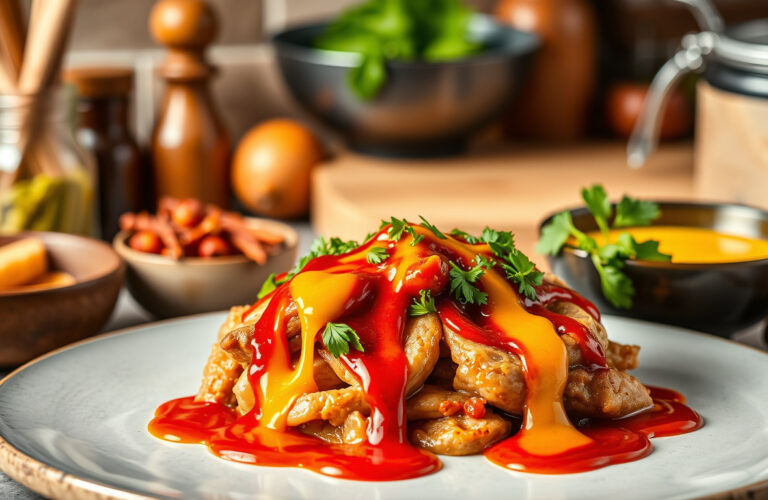
In cooking, sauces are more than just an accompaniment — they are essential to elevating a dish’s flavor and texture. One key technique that professional chefs and home cooks alike swear by is adding sauces at the end of cooking. This practice ensures that the flavors remain vibrant and the dish achieves the perfect balance and consistency. But why exactly should sauces be added at the end? And how can this method be mastered to create delicious meals every time? Let’s uncover the secrets behind this culinary art.
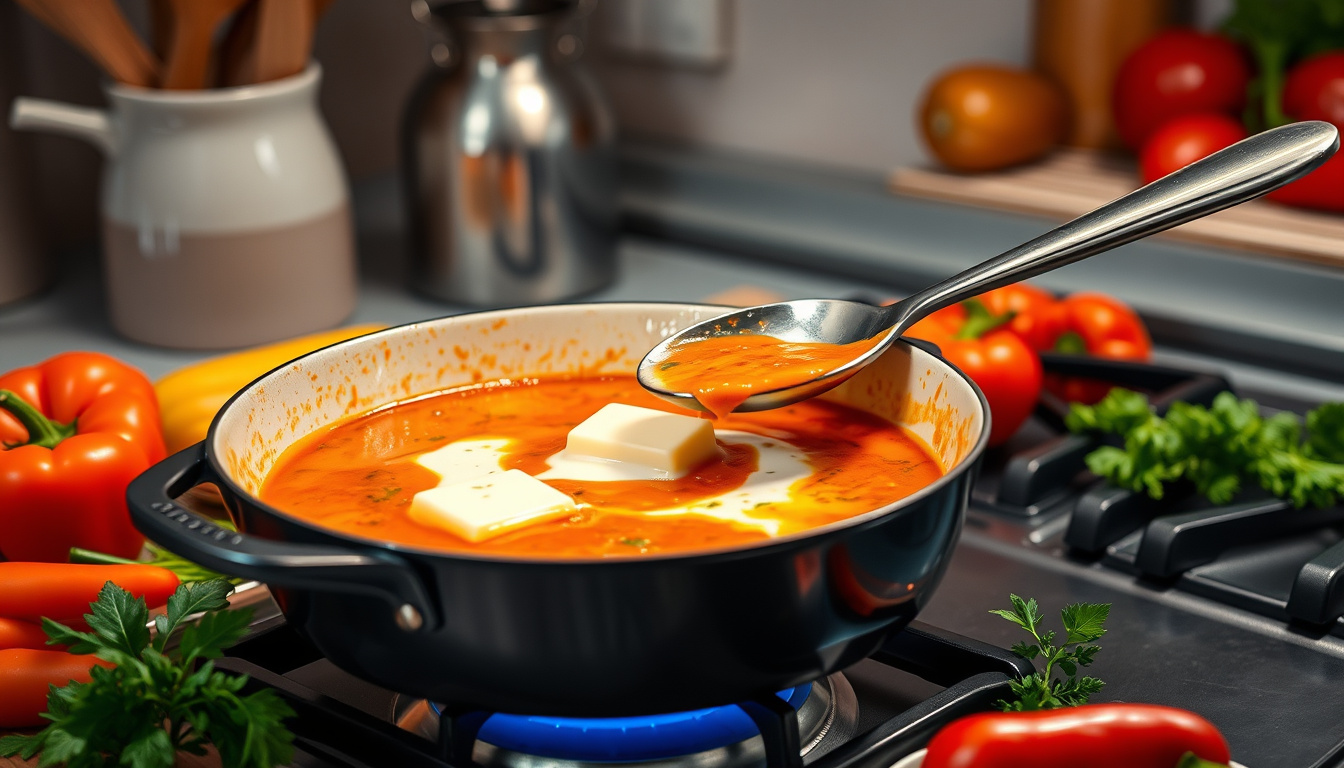
Why Add Sauces at the End?
Adding sauces at the end of the cooking process serves several important purposes:
1. Preserve Freshness and Brightness of Flavors
Many sauces, especially those with fresh herbs, citrus, cream, or butter, contain delicate flavors that can degrade or mellow when exposed to prolonged cooking. By adding the sauce at the end, the vibrant, fresh characteristics of ingredients like garlic, herbs, or lemon juice remain intact, giving the dish a bright, punchy finish.
2. Maintain Sauce Texture and Consistency
Some sauces, particularly those thickened with butter or cream, can separate or curdle if boiled for too long. Adding sauces at the end allows them to gently warm and emulsify without breaking down, resulting in a silky, smooth texture that coats the food evenly.
3. Control Flavor Intensity
Sauces often contain salt, acid, sweetness, or spice — elements that can intensify or diminish during cooking. By reserving sauce addition until the final moments, cooks maintain better control over the overall flavor, adjusting seasoning as needed for balance.
4. Prevent Overcooking
Adding sauce too early can contribute to overcooking delicate proteins or vegetables. For example, butter-based sauces added at the end enrich the dish without continuing to cook the main ingredient, preserving tenderness and moisture.
Key Techniques for Adding Sauces at the End
Gently Finish Sauces with Butter or Cream
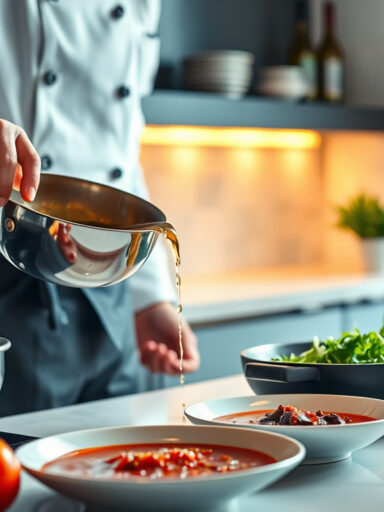
One common technique is to swirl cold butter or cream into a sauce just before serving. This "mounting" enriches the sauce with fat, softens acidity, and adds a luscious mouthfeel. Be sure to remove the pan from direct heat or keep it very low to avoid breaking the sauce.
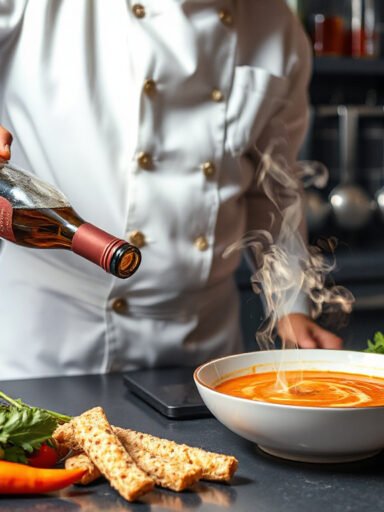
Deglaze with Wine or Stock Early, Sauce Late
When making pan sauces, start by deglazing the pan with wine or stock early to lift caramelized bits and build base flavor. Reduce the liquid before adding cream, butter, or fresh herbs at the end to finish and enrich without overcooking.
Toss Pasta or Vegetables in Sauce Off Heat
For pasta or sautéed veggies, it’s best to toss them gently with your sauce off the heat source to avoid breaking the sauce emulsion. This method produces a cohesive dish where the sauce clings beautifully.
Add Acidic Components Last
Acidic ingredients like lemon juice or vinegar should be added last to brighten flavors without evaporating away. This step ensures balanced acidity to contrast richness.
Common Mistakes to Avoid
- Boiling cream-based sauces: High heat can cause curdling or separation; add these sauces at the end and warm gently.
- Over-reducing sauces: Reducing a sauce too much concentrates flavors excessively; always taste and add final seasoning after reducing and finishing.
- Adding delicate herbs too early: Herbs lose flavor when cooked too long. Add fresh herbs at the end for aroma and freshness.
Conclusion
Mastering the art of adding sauces at the end of cooking is a cornerstone technique for creating dishes with balanced, vibrant flavors and perfect textures. By understanding the reasons behind this practice and applying thoughtful methods—such as finishing with butter or cream, adding acid last, and gentle warming—home cooks can elevate their culinary creations to restaurant quality. Next time you prepare a sauce, remember: patience and timing can turn a simple dish into a memorable experience, one spoonful at a time.