Mandy Croft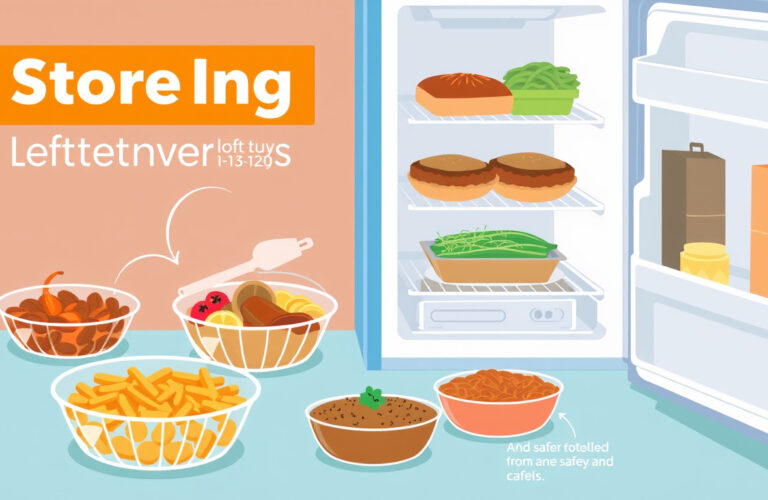
Proper food storage is a crucial step in maintaining food safety and preventing foodborne illnesses. A common debate among home cooks is whether to refrigerate leftovers immediately while still hot or to let them cool down first. Understanding the science and guidelines behind this practice can help make kitchens safer and leftovers tastier.
Let’s explore why and how to handle leftovers with the best food safety practices in mind.
The Myth of “Let Food Cool Before Refrigerating”
Many people grew up with the idea that you should allow hot leftovers to cool at room temperature before refrigerating them, believing that putting hot food directly in the fridge can spoil other food or damage the refrigerator. This advice has been passed down through generations, but is it accurate?
What Experts Say
According to food safety specialists and government sources, it is safe and recommended to refrigerate hot leftovers promptly, without waiting for them to cool completely. The key factor is getting food out of the so-called “danger zone” — the temperature range between 40°F and 140°F (4°C to 60°C) — where bacteria multiply rapidly.
Dr. Benjamin Chapman, a food safety expert, explains that modern refrigerators are designed to handle hot food and maintain a cool environment without causing issues. Early-generation refrigerators, which cycled temperature slower or less efficiently, were more vulnerable to problems from placing hot food inside. Today’s more advanced cooling technology means the risk of refrigerator damage from hot leftovers is minimal.
Why You Should Refrigerate Leftovers Promptly
- Prevent Bacterial Growth: Bacteria can proliferate quickly when cooked food sits out at room temperature. The FDA recommends refrigerating leftovers within 2 hours of cooking, or within 1 hour if the ambient temperature is above 90°F (32°C).
- Keep Other Foods Safe: While placing a very large pot of hot food directly into a fridge can temporarily raise the internal temperature, spreading leftovers into smaller, shallower containers helps cool food evenly and quickly, reducing the impact on other stored items.
- Avoid Spoilage and Food Poisoning: Delaying refrigeration increases the risk of food spoilage and foodborne illness, especially with protein-rich foods like meat, poultry, and rice.
Best Practices for Cooling and Refrigerating Leftovers
While putting hot food directly into the fridge is safe, certain storage techniques can expedite cooling and maintain food quality:
1. Portion Leftovers Into Smaller Containers
Large volumes of food take longer to cool, increasing bacteria risk inside. Divide leftovers into smaller portions or shallow containers no more than 2 inches deep to encourage rapid cooling.
2. Leave a Vent When Refrigerating Hot Food
If your leftovers are still steaming, avoid sealing containers tightly right away. Leaving lids slightly loose allows steam to escape and lets cool air circulate, promoting faster temperature drop.
3. Use Ice Baths or Cold Water Baths For Quick Cooling
If you’re in a hurry, place hot pots or containers in an ice bath (a sink filled with ice water) and stir occasionally to disperse heat before refrigeration.
4. Store Cooked Meats Properly
For large cuts of meat like roast turkey or ham, carve them into smaller pieces before refrigeration to cool them efficiently and reduce warm spots where bacteria can thrive.
Common Misconceptions and Their Realities
-
“Hot food will spoil other items in my fridge.”
True for very large quantities placed in one container but avoidable by portioning food. A moderate amount of warm food will not ruin your refrigerator or other foods. -
“Putting hot food in the fridge wastes energy.”
Modern refrigerators manage heat loads efficiently. Energy impact is minimal compared to the risks of leaving food out. -
“Condensation will make leftovers soggy.”
Letting food cool uncovered for a short time before sealing can reduce moisture buildup, but safety should take precedence. -
“Leftovers need to be cooled to room temperature before storing.”
This outdated guideline risks bacterial growth and spoilage. Cooling should start as soon as possible in the fridge.
Key Takeaways for Food Safety with Leftovers
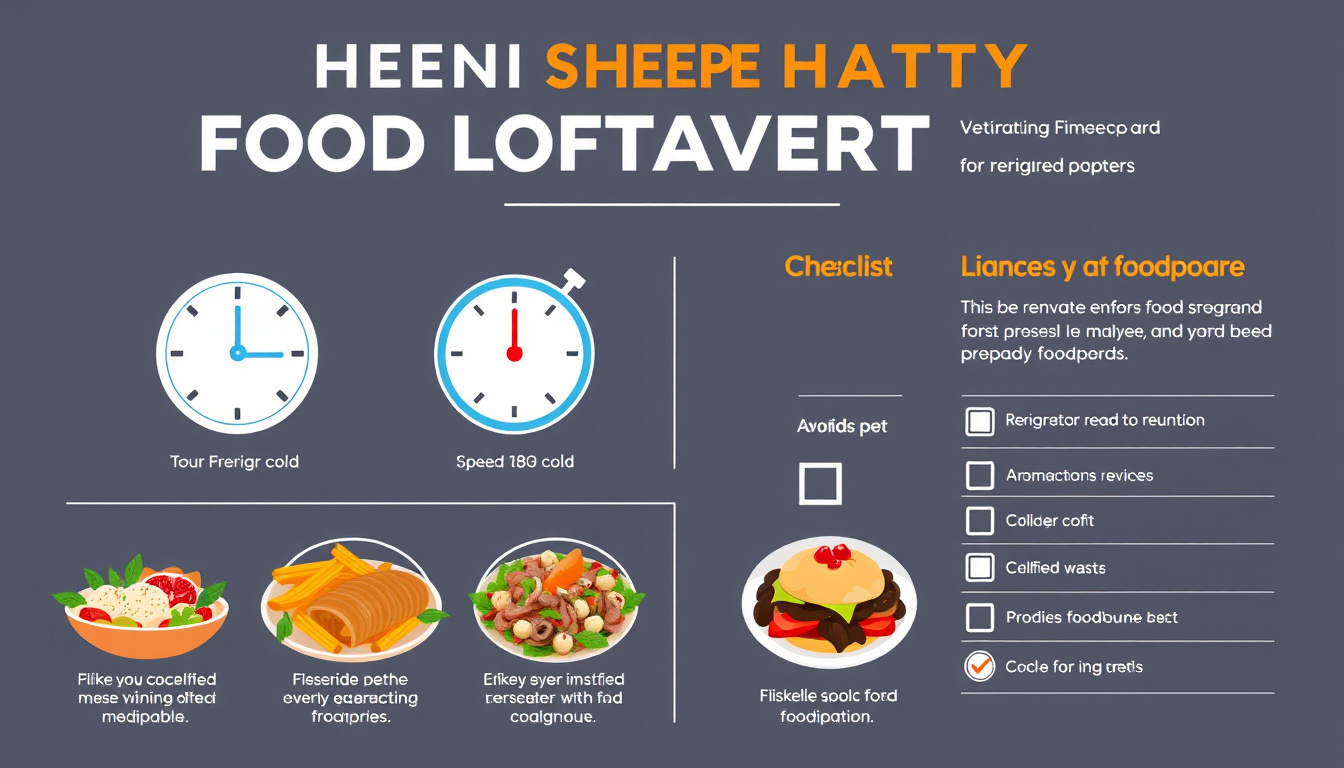
- Refrigerate leftovers within 2 hours of cooking to avoid bacterial growth.
- Divide large batches into smaller portions for faster, more even cooling.
- If hot, leave containers slightly open initially to let steam escape.
- Avoid leaving food out longer than recommended to prevent entering the danger zone.
- Use cold water or ice baths to chill large quantities quickly.
- Remember that modern refrigerators are designed to handle hot food safely.
Conclusion
The best way to keep your leftovers safe and delicious is to refrigerate them promptly, properly portioned, and with a slight vent to allow cooling. The age-old advice to “let leftovers cool fully before refrigerating” is a myth based on outdated technology. Today, speed and method of cooling are the keys to food safety. By applying these practical tips, you can minimize waste, avoid foodborne illnesses, and enjoy your meals with peace of mind.
References:
- USDA Food Safety and Inspection Service: Leftovers and Food Safety
- North Carolina State University Food Safety Expert, Dr. Benjamin Chapman
- FDA Food Code and Guidelines on the Temperature Danger Zone