Mandy Croft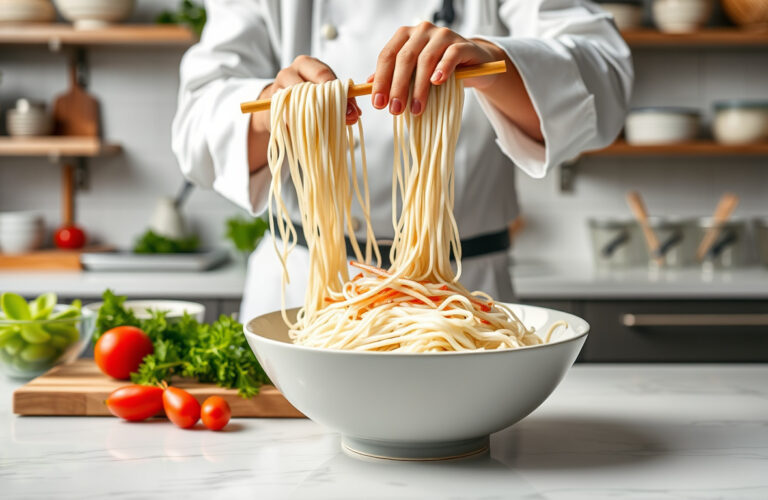
Rice noodles are a versatile and beloved ingredient in Asian cooking, prized for their delicate texture and gluten-free nature. However, they can often be tricky to prepare perfectly—turning mushy, clumpy, or breaking apart easily if mishandled. One key to success lies in cooking rice noodles separately before combining them with stir-fries, soups, or sauces. This method ensures ideal texture and prevents overcooking. In this guide, we’ll explore practical tips and techniques to master cooking rice noodles separately for consistently tender, delicious results.
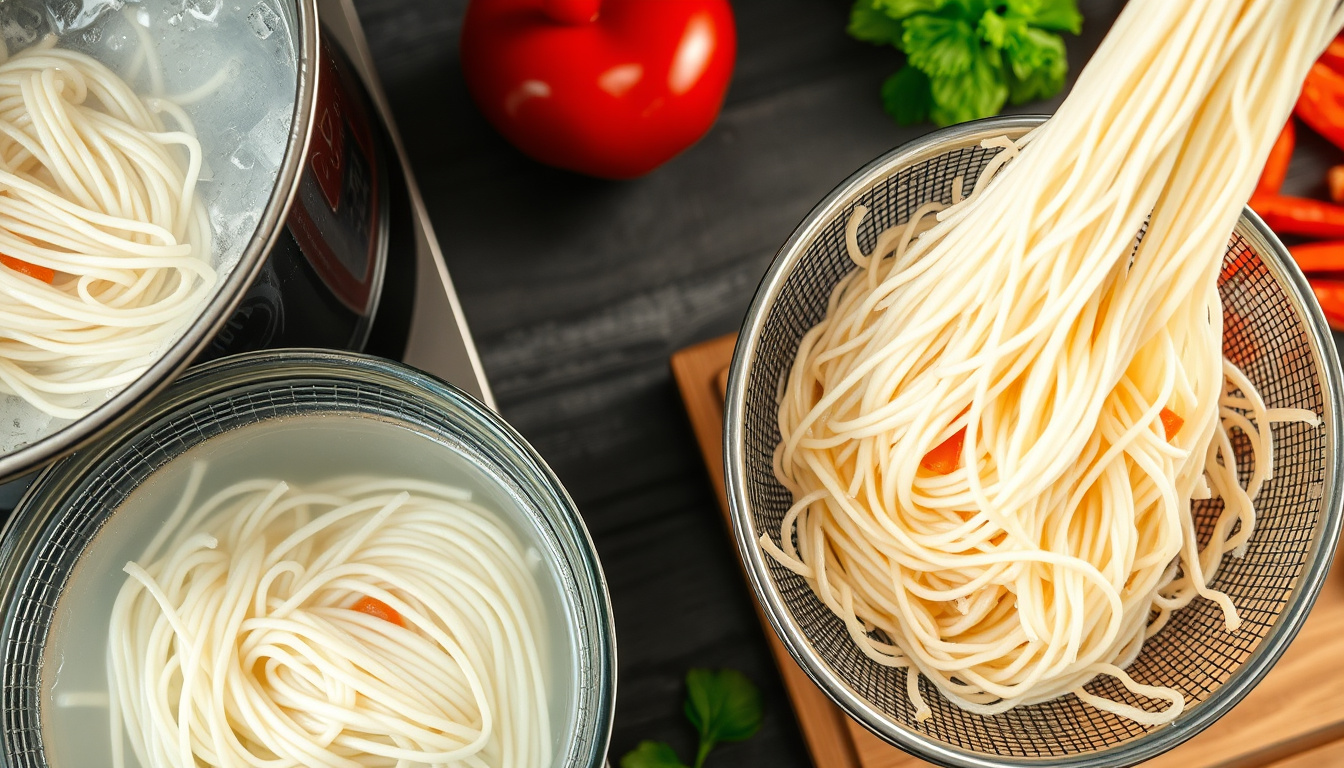
Understanding Rice Noodles: Types and Characteristics
Rice noodles generally come in two forms:
- Dried Rice Noodles: Made from rice flour and water, often in stick or vermicelli forms, they require soaking to rehydrate before cooking.
- Fresh Rice Noodles: Sold refrigerated and typically pre-cooked, they have a more tender and pliable texture but need gentle handling to separate strands.
Rice noodles do not have gluten and do not become chewy like wheat noodles; instead, they are tender and can quickly transition from perfectly cooked to mushy if overcooked. Therefore, attention to preparation and cooking technique is essential.
Why Cook Rice Noodles Separately?
When stir-frying or adding to soups, rice noodles are best cooked separately through soaking and brief boiling or dipping, then combined with other ingredients at the end. This approach offers several benefits:
- Prevents overcooking: Rice noodles cook rapidly and absorb moisture from sauces and vegetables during stir-fries, which can lead to sogginess if they start already fully cooked.
- Controls texture: Cooking them separately allows you to achieve an ideal tender yet firm consistency before final assembly.
- Reduces clumping: Soaking and rinsing noodles separately removes excess starch that causes sticking.
- Facilitates even cooking: Soaking rehydrates noodles uniformly, so when heated again briefly they cook evenly.
Step-by-Step Guide to Cooking Rice Noodles Separately
1. Soaking Dried Rice Noodles
Avoid boiling dried rice noodles directly. Instead, soak them in water to rehydrate:
- Vermicelli (thin noodles): Soak in cold water for 5–15 minutes until flexible.
- Small-medium flat rice sticks: Soak for 20–60 minutes depending on thickness.
- Large or extra-large noodles: Use hot water for about 15 minutes to soften.
You’ll know noodles are ready when they droop and bend easily without breaking or holding their original shape.
2. Cooking (Blanching) After Soaking
After soaking, briefly dip noodles in boiling water or blanch for a short time:
- Thin noodles: 20–30 seconds
- Thick or fresh noodles: 15–60 seconds (adjust according to thickness)
This step heats the noodles through without overcooking them.
3. Rinsing with Cold Water
Immediately drain and rinse noodles under cold running water to:
- Stop the cooking process
- Remove excess surface starch
- Prevent sticking and clumping
4. Separating Noodles
Use your hands or chopsticks to gently separate noodles while rinsing.
Preparing Fresh Rice Noodles
Fresh rice noodles, often found refrigerated, are usually pre-cooked but may be stuck together. To separate:
- Spread noodles on a plate.
- Microwave in 1-minute increments until soft enough to peel apart.
- Gently separate into portions before cooking.
Fresh noodles need only a quick dip in boiling water and a cold rinse before use.
Incorporating Cooked Rice Noodles into Your Dish
Once your noodles have been soaked, blanched, and rinsed, add them to your stir-fry or soup at the final stage. Toss gently to combine with sauce and other ingredients, heating through without prolonged cooking.
Additional Tips for Perfect Rice Noodles
- Always soak dried noodles first; this ensures even hydration and prevents mushiness.
- Don’t overcook during blanching; rice noodles cook fast and can become soggy quickly.
- Rinse after cooking to remove excess starch and cool noodles swiftly.
- Cook noodles separately from proteins and vegetables to maintain control over texture.
- If cooking ahead, toss cooked noodles with a bit of oil and refrigerate up to 3 days. Reheat in hot broth or sauce.
Common FAQs
Q: Why are my rice noodles mushy?
Overcooking is the culprit—either boiling too long or adding fully cooked noodles to a wet stir-fry. Soak instead of boiling, and add noodles towards the end of cooking.
Q: Can I cook rice noodles ahead of time?
Yes, but rinse and toss with oil, store refrigerated, and reheat gently in liquid or sauce.
Q: Do I need to rinse rice noodles?
Yes. Rinsing stops cooking and removes starch that causes stickiness.
Conclusion
Cooking rice noodles separately—with proper soaking, brief blanching, and careful rinsing—is the key to achieving tender, non-clumpy noodles that hold up beautifully in soups and stir-fries. By mastering these techniques and understanding the different noodle types, you’ll elevate your dishes and enjoy perfect rice noodles every time.
Happy cooking!