Mandy Croft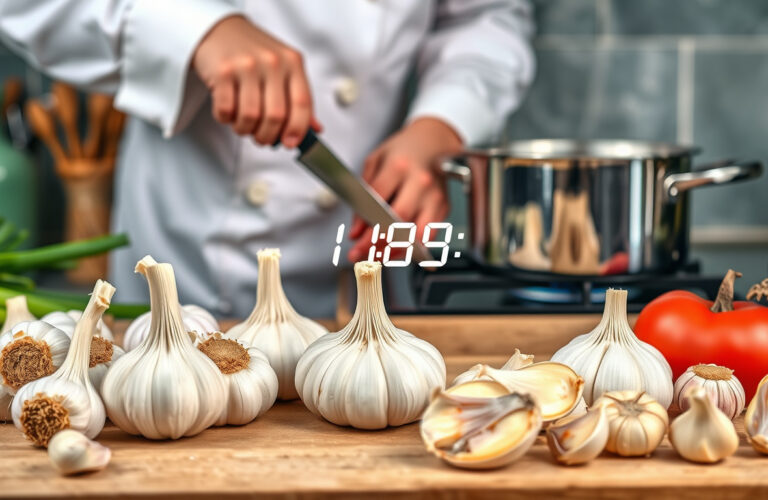
Garlic is a cornerstone of countless dishes around the world, prized for its rich aroma and distinctive flavor. However, the difference between beautifully golden, fragrant garlic and bitter, burnt garlic often comes down to timing and technique. A common culinary challenge is avoiding the burnt taste that results when garlic is added too early or exposed to high heat for too long. This guide will explore why adding sliced garlic toward the end of cooking is key, alongside practical tips to master this essential ingredient.
Why Does Garlic Burn So Easily?
Garlic’s delicate thin layers and high sugar content make it prone to burning quickly. When exposed to high heat, sliced or minced garlic can go from golden and fragrant to charred and bitter within seconds. Burnt garlic doesn’t just taste unpleasant; it can overpower a dish and ruin the balance of flavors.
Many recipes instruct cooks to sauté garlic at the start, but this often leads to scorching if the heat isn’t carefully controlled. Knowing when and how to introduce garlic into the cooking process helps retain its desirable aroma and adds depth to your dish.
Add Sliced Garlic Toward the End: What Does This Mean?
By adding sliced garlic late in the cooking process, you limit its exposure to high heat, thereby preventing it from burning. This approach allows garlic to release its flavor slowly and gently, lending a mellow, sweet nuttiness without bitterness.
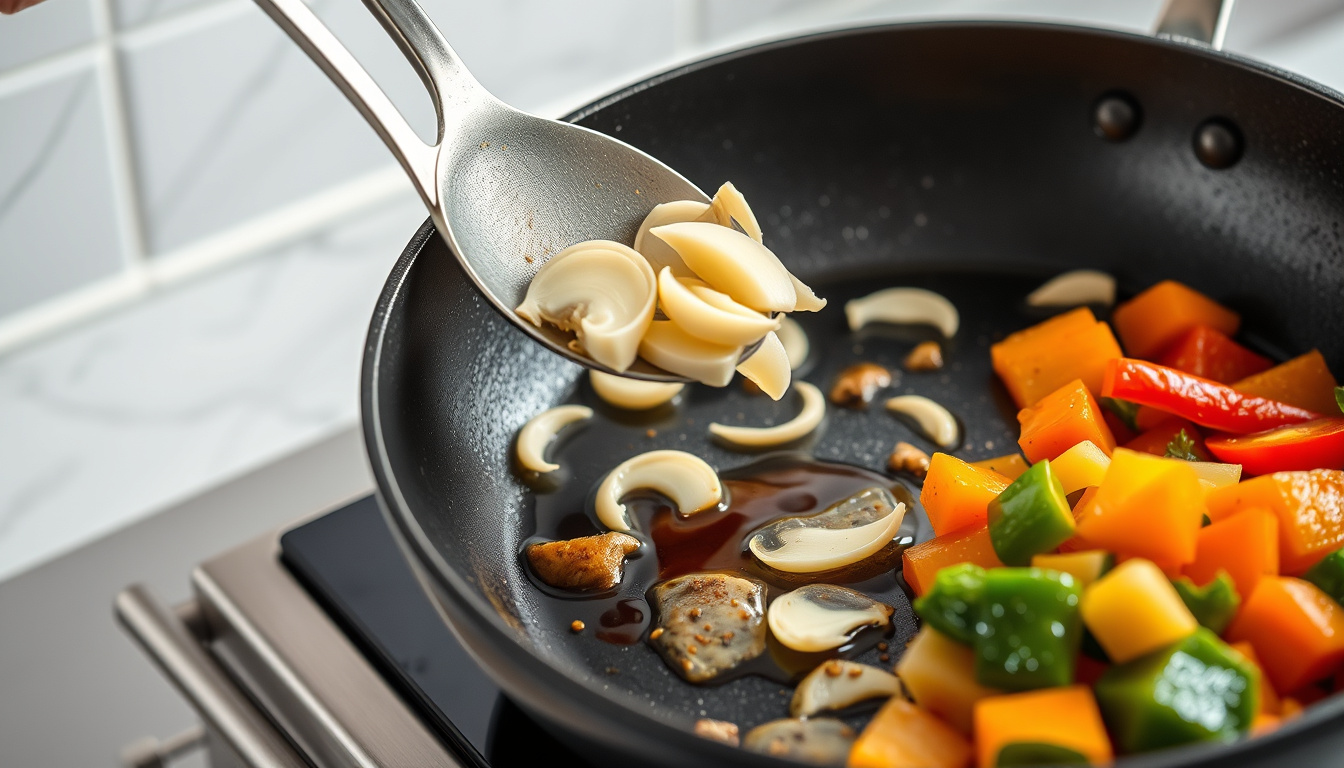
How to Do It:
-
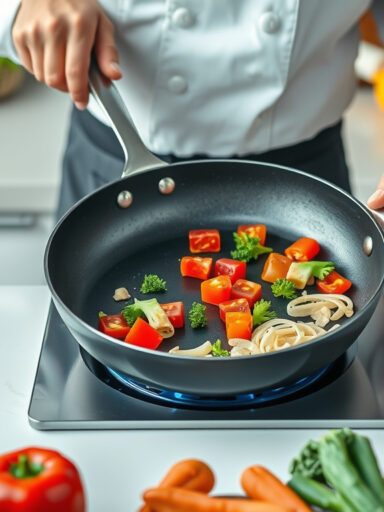
Cook other ingredients first: Begin by sautéing sturdier vegetables, onions, or proteins over medium heat. These provide a protective layer in the pan and help regulate its temperature.
-
Introduce garlic in the last 30 seconds to 1 minute: When the main ingredients are nearly done, add the sliced garlic. Stir frequently to ensure even cooking and watch carefully. Remove from heat as soon as the garlic turns a light golden color.
-
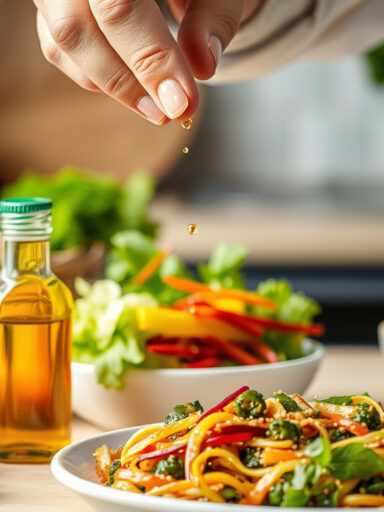
Use enough oil or fat: Garlic needs to be “cradled” in oil, butter, or moisture to cook evenly without sticking or burning.
Additional Tips for Perfect Garlic Cooking
1. Control Your Heat
Start with a moderate temperature to sauté your ingredients. Once you add the garlic, keep the heat lower to avoid rapid burning. High heat causes garlic to char before it has a chance to mellow.
2. Consider Garlic Preparation
The size and form of the garlic affect cooking time:
-
Sliced garlic cooks slower and is less likely to burn instantly compared to minced or grated garlic.
-
Crushed whole cloves, often used in roasting or slow cooking (like garlic confit), impart flavor gently and can be removed before serving.
3. Add Garlic to Saucy or Moist Dishes Early
For recipes involving abundant liquid—such as pasta sauces or soups—it’s often okay to add garlic earlier because the sauce liquids moderate pan temperature and prevent burning.
4. Infuse Oil for Flavor
If you want to build deeper garlic aroma without risking burning, gently heat whole or crushed garlic cloves in oil at low temperature, then remove the cloves before cooking other ingredients in the infused oil.
5. Be Ready to Monitor
Garlic can go from golden to burnt extremely fast, so stay attentive, stir frequently, and remove the pan from heat promptly.
Why Many Recipes Get It Wrong (and What to Do Instead)
Many traditional recipes recommend adding garlic first to flavor the oil, but this requires low and careful heat control. In practice, many home cooks find garlic burns before the dish cooks properly.
The consensus among culinary experts and home cooks alike suggests rethinking this step. Focus on cooking other ingredients first, then add garlic later for a vibrant, fresh garlic flavor without the harsh bitterness of burning.
Summary: Your Garlic Cooking Cheat-Sheet
| Step | Tip |
|---|---|
| Start cooking with oil & sturdier vegetables or meat | Build flavor base, protect garlic from direct heat. |
| Add sliced garlic in the last 30 seconds to 1 minute | Minimizes burn risk, maximizes aroma. |
| Stir garlic constantly in oil | Ensures even heat distribution and prevents sticking. |
| Use moderate to low heat when garlic is in the pan | Avoids quick scorching. |
| For saucy dishes, add garlic early with liquid | Liquids help prevent burning by lowering pan temperature. |
Mastering garlic is about understanding its delicate nature and adjusting your cooking rhythm accordingly. By adding sliced garlic toward the end of cooking, you unlock its full aromatic potential without the risk of burning — elevating every dish you make with that unforgettable garlicky essence.