Mandy Croft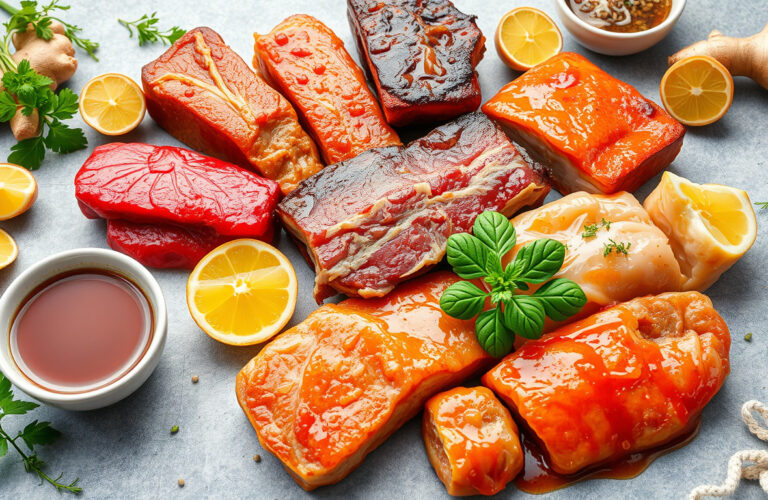
Tender, flavorful meat is the hallmark of a memorable meal, whether you’re grilling, frying, or roasting. Among the natural tenderizers available, ginger juice stands out due to its unique enzymatic properties and ability to enhance taste. Understanding how to use ginger juice correctly can transform tough cuts into juicy delicacies without compromising texture. This article explores the science behind ginger’s tenderizing abilities and offers practical tips to get the best results.
Why Ginger Juice Tenderizes Meat
Ginger contains a powerful enzyme called zingibain, a protease that breaks down proteins in meat. By cleaving the long protein strands, zingibain helps disrupt the muscle fibers, making the meat softer and easier to chew. This natural enzymatic action is similar to other meat tenderizers like papain from papaya or bromelain from pineapple but has a distinctive mild, spicy flavor that complements many dishes.
How to Use Ginger Juice for Tenderizing
1. Extract Fresh Ginger Juice
Start by peeling fresh ginger root and grating it finely. For easier grating and less mess, freeze the ginger first; this makes it more rigid and prevents it from turning mushy. After grating, squeeze the pulp through a fine sieve or cheesecloth to collect the juice.
2. Control Tenderizing Time
Because zingibain is a strong enzyme, marinate meat with ginger juice for a short time — generally 15 to 30 minutes. Over-marinating can cause the meat to become overly soft or mushy, losing its desirable texture. Thinner cuts require less time, while thicker cuts may tolerate slightly longer marination.
3. Use Heat or Acid to Moderate the Enzyme
If you prefer a longer marination or want to include ginger in a marinade recipe, consider neutralizing the enzyme by heating or acidifying the ginger juice:
- Heating: Briefly microwave fresh ginger juice or paste to about 158°F (70°C) for 60 seconds to deactivate zingibain without losing flavor.
- Acid: Adding lime juice or another acidic component to the marinade inhibits the enzyme, preventing it from breaking down meat too aggressively.
4. Apply Ginger Juice Sparingly
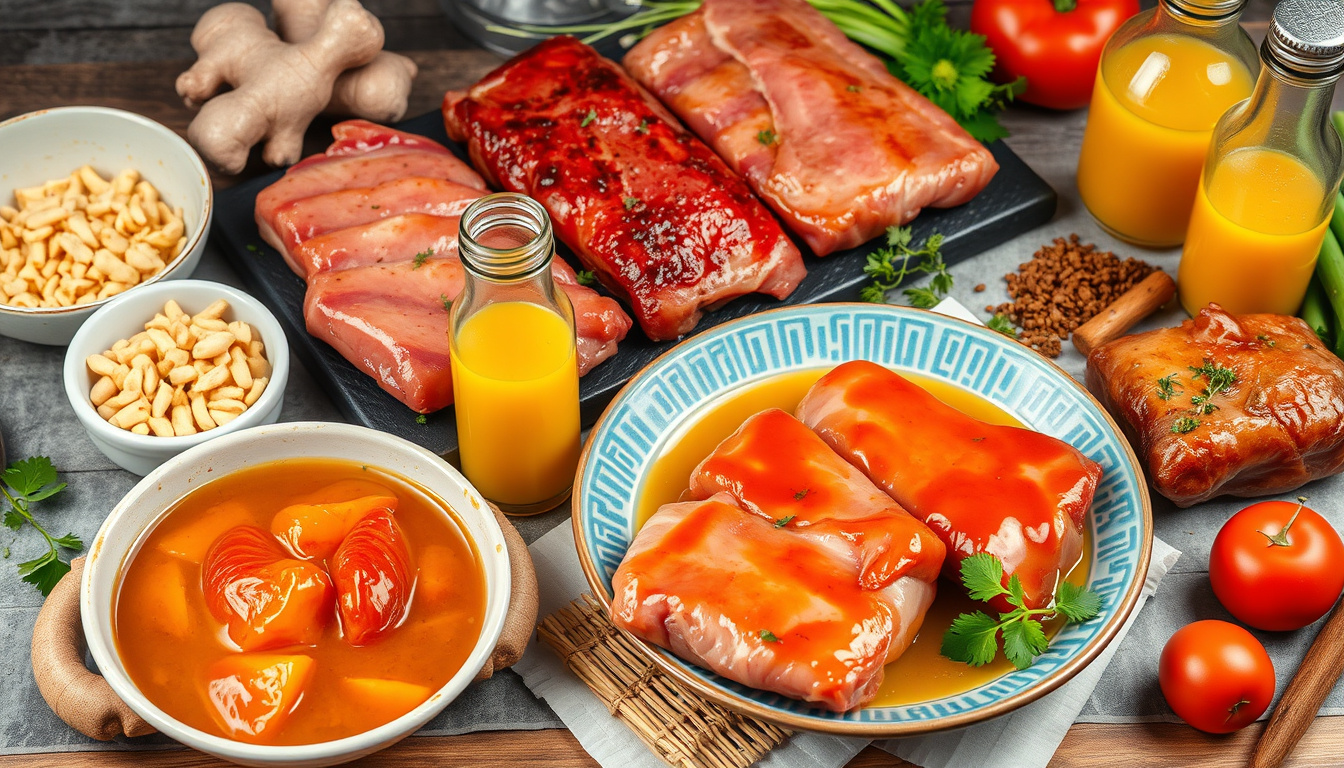
Apply the ginger juice either directly to the meat or as part of a marinade. Make sure the meat is evenly coated. You can also combine ginger juice with complementary seasoning and ingredients like soy sauce, garlic, or honey for a balanced marinade.
Tips and Precautions
- Don’t marinate meat with raw ginger for too long: As noted by cooking science experts, raw ginger over extended periods can turn meat mushy and soggy.
- Avoid coating delicate proteins for extended times: Delicate fish or shellfish can disintegrate if exposed to ginger juice for too long.
- Freeze ginger before grating: This keeps the ginger dry and fluffy, preventing loss of juice and flavor in the pulp.
- Choose the right cut of meat: Cuts with moderate marbling and muscle variation benefit most from ginger’s tenderizing effect.
Beyond Tenderizing: Enhancing Flavor
Ginger juice not only tenderizes meat but also imparts a subtle earthiness and warmth. When balanced with other marinade ingredients, it can elevate simple meat dishes to rich, aromatic experiences. It’s especially popular in Asian cuisine, where ginger pairs well with soy sauce, sesame oil, and chili.
Summary
Using ginger juice to tenderize meat is a smart and flavorful way to enhance your cooking. The secret lies in harnessing the zingibain enzyme thoughtfully—using fresh juice in controlled amounts and times, and moderating enzymatic activity with heat or acid when necessary. Follow these techniques to ensure your dishes stay juicy, tender, and full of delicious flavor, making every bite a treat.
Key Takeaways:
- Ginger juice contains zingibain, a powerful natural meat tenderizer enzyme.
- Marinate meat with ginger juice for 15-30 minutes to avoid mushiness.
- Heat or acid can deactivate zingibain if longer marination is needed.
- Freeze ginger before grating for easier juice extraction.
- Complement ginger juice with other marinade ingredients for balanced flavor.
By mastering these tips, you can unlock the full potential of ginger juice and consistently create juicy, delicious meat dishes that impress every time.