Mandy Croft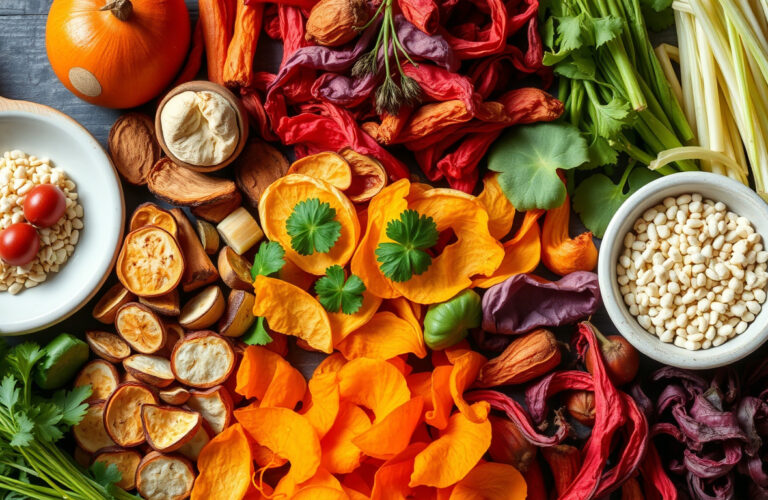
Drying vegetables before cooking is a time-honored technique that enhances preservation, intensifies flavors, and offers practical benefits in everyday cooking, emergency preparedness, and outdoor adventures. Understanding the art and science of drying vegetables can transform your culinary experience while reducing food waste.
Drying vegetables before cooking is a time-honored technique.
It enhances food preservation and intensifies natural flavors.
This practice offers practical benefits for everyday cooking, emergency preparedness, and outdoor adventures.
Understanding the art and science of dehydrating vegetables can truly transform your culinary experience.
Key Benefits of Drying Vegetables
By learning how to dry your own produce, you unlock several distinct advantages:
Reduced Food Waste: Preserve excess produce before it spoils.
Space-Saving Storage: Dehydrated vegetables shrink significantly, freeing up pantry and freezer space.
Enhanced Flavor: The removal of water concentrates the natural, rich flavors of the vegetables.
Lightweight Portability: Perfect for backpacking, hiking, and emergency food kits.
Long Shelf Life: Properly dried vegetables can last for months or even years.
How Dehydration Transforms Your Cooking
Mastering vegetable dehydration allows you to create versatile ingredients for quick meals.
Dried vegetables rehydrate beautifully in soups, stews, and casseroles.
You can also grind them into homemade vegetable powders to season dishes instantly.
Embrace this sustainable method to save money, minimize waste, and elevate your daily cooking.
Why Dry Vegetables Before Cooking?
Drying vegetables removes moisture, which inhibits the growth of bacteria, yeast, and molds, thus extending the shelf life of produce dramatically. When vegetables are properly dried, they become lightweight and compact, making storage easier and reducing spoilage. Additionally, dried vegetables can be quickly rehydrated to complement various dishes such as soups, stews, casseroles, and sauces, adding intense flavor and nutrition.
Camping enthusiasts, backpackers, and home cooks appreciate dried vegetables for their convenience, space efficiency, and the fact that they retain much of their original nutritional value. Moreover, preparing vegetables through drying at home allows for control over additives, unlike many commercially dried products.
Preparing Vegetables for Drying
The quality of the final dried product starts with selecting fresh, crisp vegetables at their peak maturity. Consider the following preparations:
- Washing: Rinse vegetables thoroughly under cool running water. Use a brush to remove dirt and residue.
- Trimming: Remove any woody parts, blemishes, bruises, seeds, or cores. For example, peel cucumbers if waxed or remove cores from tomatoes.
- Cutting: Uniform slices or pieces help ensure even drying. Aim for thickness between 1/8 to 1/4 inch (3–6 mm) to balance drying time and texture.
- Blanching: Many vegetables benefit from brief blanching—a quick boil or steam—before drying. This process halts enzymatic activity that can cause spoilage, preserves color and flavor, and reduces rehydration time. Tougher vegetables like carrots, corn, potatoes, and green beans commonly require blanching, while some like tomatoes and bell peppers can be dried raw.
After blanching, immediately shock the vegetables in ice water to stop cooking, then drain and pat dry to remove excess moisture, ensuring effective drying.
Methods and Tips for Drying Vegetables
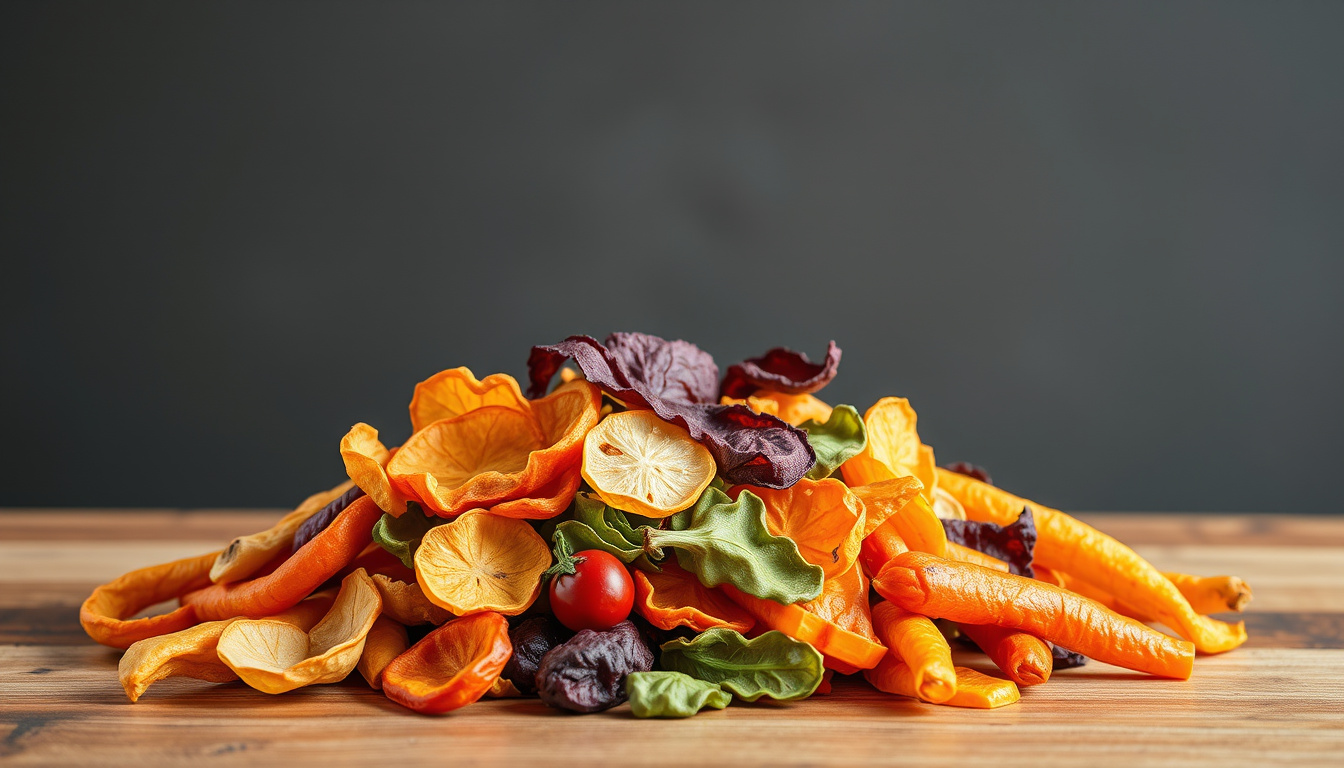
Drying can be done using dedicated food dehydrators, ovens at low temperatures, or even air drying in dry climates. Some important considerations include:
- Temperature: Most vegetables dry well between 125°F to 135°F (52°C to 57°C). Some leafy vegetables like kale may be dried at slightly lower temperatures (around 115°F/46°C).
- Air Circulation: Arrange vegetable pieces in a single layer with space around each piece for optimal airflow and uniform drying.
- Drying Time: Can range from a few hours to over 16 hours depending on the vegetable type, thickness, humidity, and drying method.
- Endpoint: Vegetables are dried either to a brittle (crispy) or leathery texture depending on intended storage and usage.
Storing Dried Vegetables
To maintain quality:
- Store dried vegetables in airtight containers such as glass jars, vacuum-sealed bags, or plastic freezer bags.
- Keep containers in a cool, dark, and dry place to avoid spoilage.
- Allow vegetables to cool completely after drying before sealing to prevent condensation.
- Properly stored dried vegetables maintain flavor and nutrition for six months to one year.
Discard dried vegetables that develop an off odor, discoloration, or mold.
Using Dried Vegetables in Cooking
- Rehydrating: Most dried vegetables regain their soft texture by soaking in water. Tender vegetables like spinach or tomatoes rehydrate rapidly with hot water, while dense root vegetables like carrots or green beans may require cold soaking for up to 90 minutes before cooking.
- Direct Use: When added to long-cooking dishes such as soups, stews, and casseroles, dried vegetables can often be added directly without prior soaking, as they rehydrate during cooking.
- Powdering: Ground dried vegetables can be used as convenient flavor enhancers or nutrient boosters in sauces, soups, or spice blends. To prevent clumping, mixing vegetable powder with arrowroot or cornstarch is effective.
Vegetable-Specific Preparation Insights
Based on collective drying experiences, here are some guidelines for popular vegetables:
- Carrots: Blanch 3–4 minutes; dry at 135°F for about 8 hours until brittle.
- Tomatoes: No blanching; slice 1/4 inch; dry at 135°F for 8–16 hours until leathery or brittle.
- Bell Peppers: No blanching; cut into 1/2 inch pieces; dry at 125°F for 6–8 hours until brittle.
- Green Beans: Blanch 2–3 minutes; dry at 135°F for 6–8 hours until brittle.
- Onions: No blanching; dice; dry at 135°F for 8+ hours until pliable or dry.
- Zucchini: No blanching; slice thin; dry at 135°F for 8–9 hours until brittle.
- Spinach: No blanching; dry at 125°F for 4–6 hours; may need repositioning halfway through drying.
- Corn: Blanch 1–2 minutes; dry at 135°F for 8 hours until crisp.
Different vegetables require tailored prep for best texture and flavor retention.
Final Thoughts
Drying vegetables before cooking is both an art and a practical skill that combines food science and culinary wisdom. It allows you to manage fresh produce better, create flavorful meal components, and be prepared for adventures or emergencies with nutritious, lightweight foods at hand.
Experimentation with drying times and temperatures will help you perfect the process at home. The result is delicious, versatile, and shelf-stable vegetables that enrich your meals and reduce waste.
By embracing vegetable drying, you invest in a tradition that brings convenience, nutrition, and flavor straight to your table — a flavorful shortcut worth mastering.