Mandy Croft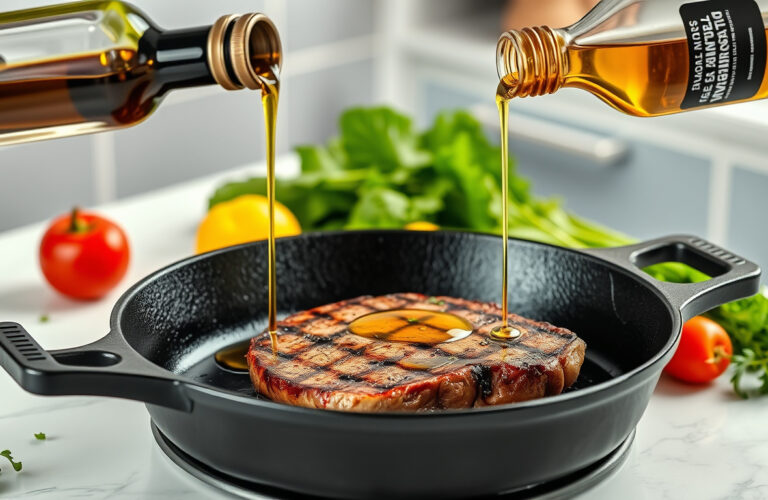
Achieving perfect searing—the crisp, flavorful crust that elevates a dish—depends heavily on how you manage heat and oil during cooking. One crucial technique often debated among cooks and chefs is whether oil should be added before or after preheating the pan. Understanding the science and culinary impacts of this choice can transform your cooking, enhancing flavor, texture, and pan longevity. This article unpacks why adding oil after preheating your pan is generally the preferred method for impeccable searing and successful cooking outcomes.
Achieving a perfect sear is the secret to elevating your everyday home cooking.
The secret lies in mastering your heat and oil management.
A common debate in the kitchen is whether to add oil before or after preheating the pan.
This guide breaks down the culinary science to help you achieve impeccable searing every time.
Why Add Oil After Preheating?
Adding oil to a cold pan and heating it up can cause issues.
It often leads to degraded oil, smoke, and burnt food.
Instead, try heating the pan first.
Hot Pan, Cold Oil: Add your cooking oil just seconds before adding the food.
Natural Non-Stick Surface: This technique allows the oil to fill the microscopic pores of the metal instantly, creating a temporary non-stick barrier.
Even Cooking: Your ingredients will glide on the surface and brown beautifully without sticking.
Key Benefits
Mastering this simple technique transforms your cooking experience.
Here is what you will gain:
Enhanced Flavor and Texture: Achieve a crisp, flavorful crust while locking in essential juices.
Healthier Cooking: Prevent your oil from reaching its smoke point too quickly, which degrades nutrients and taints flavor.
Pan Longevity: Protect your cookware from thermal shock and stubborn residue buildup.
How to Sear Like a Pro
Follow these simple steps for flawless results:
Heat your pan over medium-high heat until it is thoroughly hot.
Add a small amount of high-smoke-point oil.
Swirl the oil quickly to coat the cooking surface.
Add your ingredients immediately to start the searing process.
Make this quick adjustment today and taste the difference in your kitchen.
The Science Behind Preheating Your Pan First
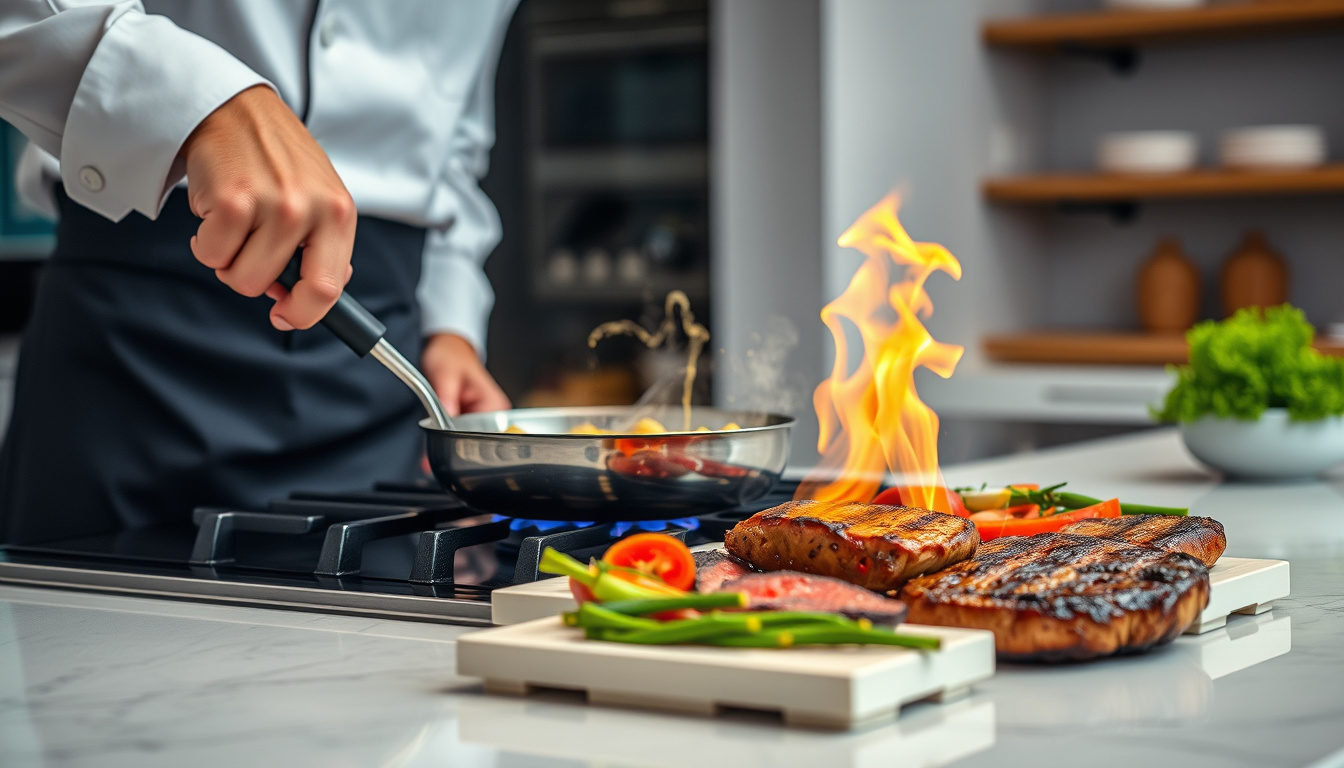
Preheating your pan ensures even and sufficient heat distribution, which is essential for a proper sear. When a pan is warmed to the correct temperature before oil is introduced, the oil immediately heats to an optimal temperature rather than slowly warming up alongside a cold pan. This method offers several key benefits:
- Reduced Oil Breakdown: Oils gradually degrade and burn when exposed to prolonged heat without food, producing off-flavors and harmful compounds. Adding oil after the pan is hot shortens the oil’s exposure to intense heat, maintaining its integrity.
- Better Heat Transfer: A hot pan radiates heat more evenly, so oil spreads thinly and uniformly across the surface, reducing the quantity needed and preventing pooling or burning that can cause food to stick.
- Improved Searing: Hot oil atop a hot pan instantly contacts the food, promoting quick moisture evaporation from the surface. This rapid drying is critical to developing the Maillard reaction—the chemical browning that creates rich flavor and texture.
Addressing Common Contrarian Views
Some cooks prefer adding oil before heating, particularly with non-stick pans, reasoning that heating oil with the pan protects the coating or prevents sticking. While manufacturers may suggest adding a small amount of oil early to preserve non-stick qualities, this approach is less applicable to traditional stainless steel or cast iron pans where high heat and searing are desired.
Additionally, the concern that heating a dry pan can damage cookware is largely unfounded if done carefully. The key is not to overheat an empty pan but to heat until it radiates warmth—detectable by holding your hand a few inches above or by a subtle shimmer—and only then introduce oil.
Practical Tips for Effective Preheating and Oil Use
- Start with a Clean, Dry Pan: Moisture leads to sputtering when oil is added. Dry your pan thoroughly before preheating.
- Heat the Pan Gradually: Place your pan on medium heat and allow it to warm evenly until it reaches the appropriate temperature. Some cooks test readiness by flicking a few drops of water onto the surface—if they sizzle or dance, it’s ready.
- Add Oil and Observe: Pour in a small amount of your cooking oil. It should shimmer soon after, signaling it is hot enough for cooking.
- Avoid Overheating Oil: Once the oil smokes, it has started to degrade. At that point, either lower the heat or replace the oil to avoid imparting bitterness or harmful compounds to your dish.
- Use Oils with Suitable Smoke Points: Choose oils like avocado, grapeseed, or refined olive oil for high-heat searing.
- Add Aromatics After Oil Heats: Introducing garlic, scallions, or spices into hot oil can build flavor foundations but be cautious—these burn quickly.
How Adding Oil After Preheating Enhances Flavor and Texture
The ultimate objective of adding oil after preheating isn’t just pan preservation—it’s crafting food that tastes better. Here’s why:
- Prevents Sticking: Hot oil acts as a slick barrier, ensuring ingredients slide easily, contributing to clean caramelization.
- Facilitates Even Browning: Oil heated rapidly atop a hot surface retains an ideal viscosity that promotes uniform contact with food.
- Minimizes Sogginess: Adding cold oil early can lower pan temperature and cause moisture to steam, leading to less crisp sears.
- Optimizes Cooking Time: Hot oil means food begins searing instantaneously, preserving juiciness inside while creating a crispy exterior.
Conclusion
Adding oil after preheating your pan is a nuanced but impactful technique that advances your cooking from ordinary to exceptional. It leverages fundamental heat transfer principles to protect your oils from premature breakdown, enables precise temperature control, and yields beautifully seared foods rich in flavor and texture. Whether you’re sautéing vegetables or searing a steak, mastering this step can dramatically improve your kitchen successes.
Embrace the method of heating your pan first, then adding oil—and unlock the secret to perfect searing that chefs swear by. Your dishes—and your taste buds—will thank you.