Mandy Croft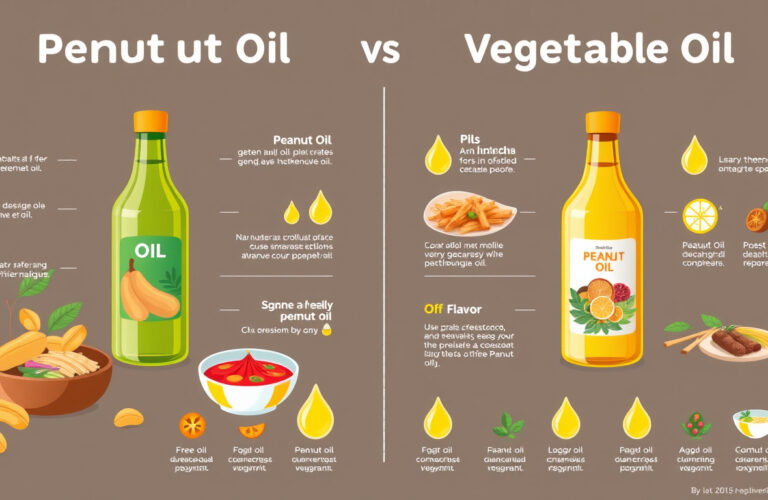
Choosing the right cooking oil is essential for both the flavor of your food and your health. Among the many options, peanut and vegetable oils are popular choices, especially for frying and general cooking. Although peanut oil is technically a type of vegetable oil, the term “vegetable oil” commonly refers to a blend of oils from various plant sources. This article explores the nutritional profiles, cooking properties, health impacts, and practical considerations of peanut oil versus vegetable oil to help you make an informed choice for your kitchen.
What Are Peanut and Vegetable Oils?
Peanut oil, also known as groundnut or arachis oil, is extracted from peanuts. It can be found in both refined and unrefined forms. Refined peanut oil is clear with a neutral flavor and is suitable for high-temperature cooking, while unrefined peanut oil retains more flavor and aroma but has a lower smoke point.
Vegetable oil is a term often used for oil blends derived from various plants, including soybean, corn, sunflower, and sometimes peanut and olive oils. The exact composition and thus nutritional content can vary depending on the blend, but commercially available vegetable oils tend to be refined and neutral in flavor.
Cooking Characteristics: Smoke Point and Flavor
- Smoke Point:
- Refined peanut oil boasts a high smoke point of around 450°F (232°C), making it ideal for frying, deep-frying, and stir-frying.
- Vegetable oil blends generally have slightly lower smoke points, but these vary based on their composition, often in the 400°F range.
- Flavor:
- Refined peanut oil is mostly neutral in flavor, while unrefined peanut oil offers a distinct nutty aroma.
- Vegetable oils are typically odorless and have a mild or neutral flavor, ensuring they don’t overpower the taste of food.
For high-heat cooking, especially frying, both refined peanut and vegetable oils are suitable choices, but peanut oil’s higher smoke point gives it an edge for very hot cooking methods.
Nutritional Comparison
Both oils are 100% fat by weight, providing approximately 124 calories per tablespoon. However, the composition of fats and micronutrients differ somewhat.
| Nutrient | Peanut Oil | Vegetable Oil (Blend Example) |
|---|---|---|
| Saturated fats | ~18% | ~15% |
| Monounsaturated fats | ~48% | ~50% |
| Polyunsaturated fats | ~34% | ~35% |
| Vitamin E | Present | Present |
| Vitamin K | Low (~1.8% daily needs per 300g) | Significantly higher (~53%) |
| Minerals (Iron, Zinc) | Lower | Higher |
- Fats: Vegetable oil blends tend to have a slightly more favorable fat profile, with less saturated fat and marginally more unsaturated fats.
- Vitamins and Minerals: Vegetable oil has considerably more vitamin K and a higher content of minerals such as iron and zinc than peanut oil.
- Calories and Macronutrients: Both oils contain no carbohydrates or proteins, being pure fats.
Health Impact
Heart Health
Research supports that replacing saturated fats with unsaturated fats reduces the risk of coronary heart disease. Both oils have a healthy balance of unsaturated fats, though vegetable oil blends, especially those containing olive oil, may confer additional cardiovascular benefits due to their higher unsaturated fat content.
Diabetes and Blood Sugar
Neither peanut oil nor vegetable oil affects blood glucose levels significantly since they contain no carbohydrates. Some animal studies suggest that peanut oil may slightly reduce plasma glucose, but excessive consumption of refined vegetable oils has been associated in some research with increased risk of type 2 diabetes.
Allergy Concerns
Peanut allergy is common. Highly refined peanut oil typically lacks the peanut proteins that trigger allergic reactions and is generally safe for most people with peanut allergies. However, unrefined peanut oil contains these proteins and should be avoided by those with allergies.
Practical Considerations
- Cooking Use: Use refined peanut oil for deep frying and high-heat cooking for its stability and neutral flavor. Vegetable oil blends are versatile all-purpose oils, suitable for frying, baking, and sautéing.
- Flavor Influence: If you prefer a subtle nutty flavor, unrefined peanut oil can enhance certain dishes, but for a neutral palette, refined oils or vegetable blends are preferable.
- Cost and Availability: Vegetable oil blends tend to be more widely available and often less expensive than specialty peanut oils.
- Allergies: People with peanut allergies should avoid unrefined peanut oil and choose vegetable oils instead.
Summary: Which Should You Use?
| Aspect | Peanut Oil | Vegetable Oil |
|---|---|---|
| Smoke Point | Higher (especially refined) | Slightly lower, variable |
| Flavor | Neutral (refined), nutty (unrefined) | Mostly neutral |
| Fat Composition | Slightly higher saturated fats | More unsaturated fats |
| Vitamins & Minerals | Lower vitamin K, minerals | Higher vitamin K, iron, zinc |
| Allergy Risk | Potential with unrefined oil | Very low |
| Suitability for High Heat | Excellent | Good, varies by blend |
| Health Considerations | May aid blood lipid profile | Favorable fat profile |
| Cost and Availability | Moderate to high | Generally lower and widespread |
Both oils can serve well in the kitchen, but refined peanut oil may be preferred for high-heat frying due to its higher smoke point, while vegetable oil blends offer a more balanced fat profile and higher micronutrient content. Ultimately, your choice can depend on cooking method, flavor preference, budget, and allergy considerations.
Additional Tips for Healthy Oil Use
- Use oils in moderation, as they are calorie-dense.
- Store oils in a cool, dark place to prevent rancidity.
- Opt for refined oils for high-temperature cooking to avoid oxidative damage.
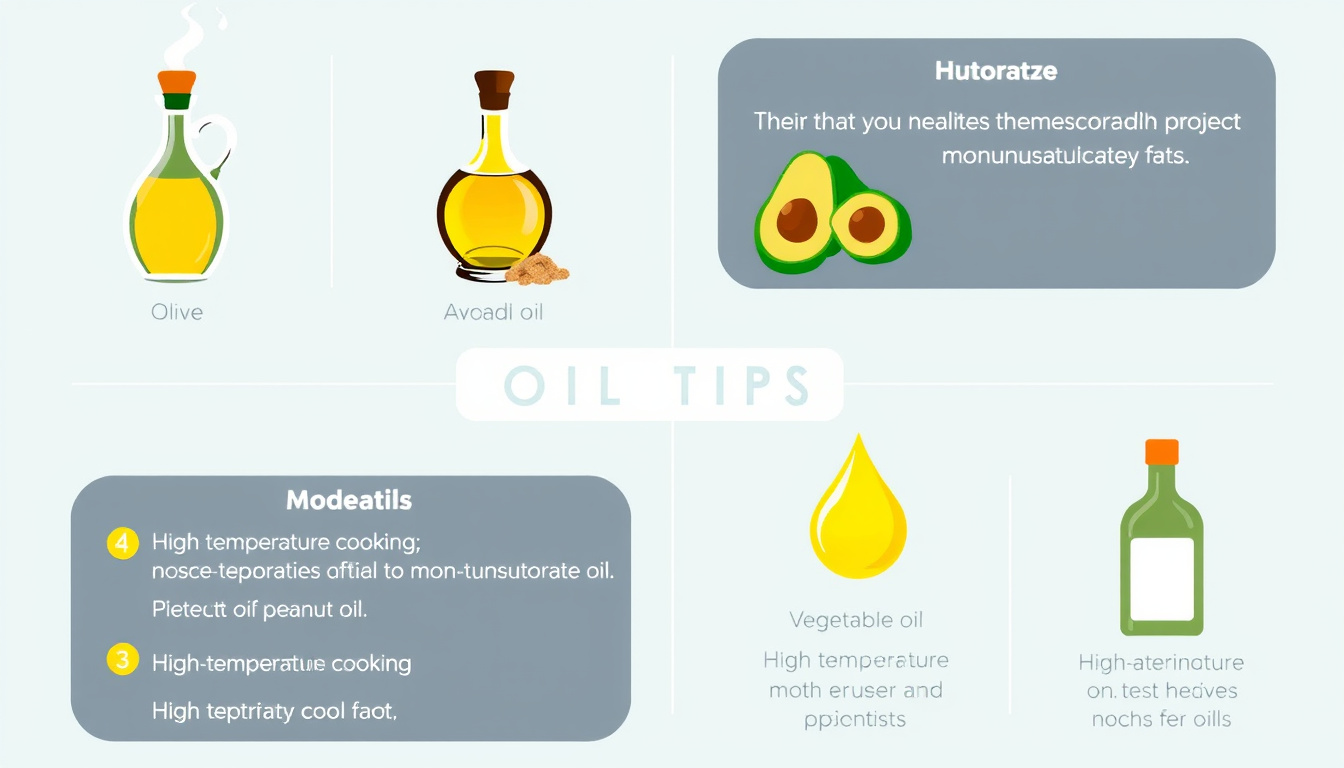
- Consider incorporating oils rich in monounsaturated fats like olive oil and avocado oil for a variety of uses including dressings and low-heat cooking.
With this knowledge, you can confidently select between peanut and vegetable oil based on your culinary needs and health goals.