Mandy Croft
## How to Cook with Chili Peppers: Boost Heat & Flavor
Want to transform your everyday meals?
Adding chili peppers is the secret.
It’s not just about the “burn.”
It’s about enhancing deep flavors.
Whether you love a mild warmth
or a fiery, bold kick,
this guide will level up your cooking.
Understanding Chili Peppers and Their Heat
The sensation of heat from chili peppers comes from capsaicin, a compound found primarily in the white membranes (or ribs) inside the pepper—not the seeds as commonly believed. Capsaicin interacts with heat-sensitive receptors in your mouth, causing the burning sensation we associate with spicy foods. The amount of capsaicin varies widely among chili varieties, and this difference is measured on the Scoville Heat Unit (SHU) scale, which ranks peppers from mild bell peppers (0 SHU) to insanely hot varieties like the Carolina Reaper (over 2 million SHU).
Knowing the heat level of your chili pepper helps you gauge how much to add based on your tolerance and the dish you are preparing.
How to Add Chili Peppers for Heat and Flavor
1. Choose Your Pepper Wisely
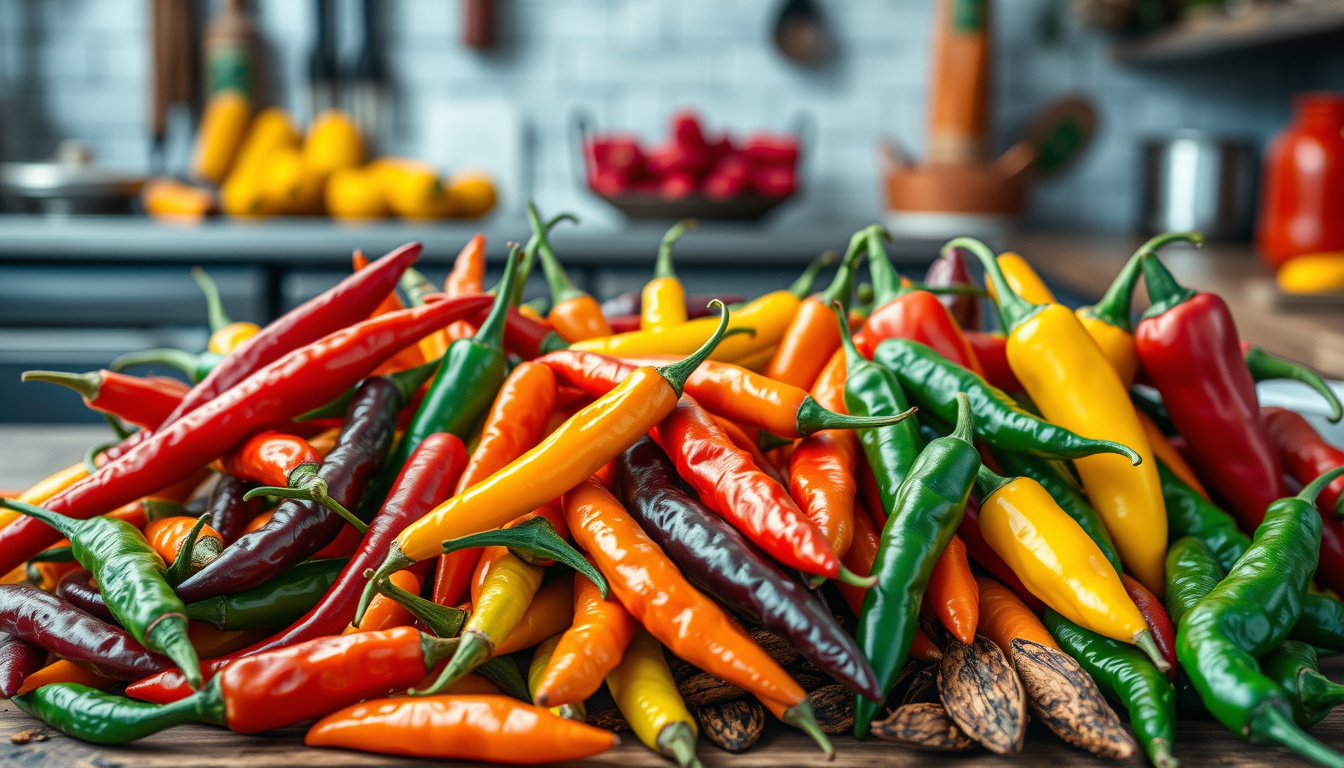
- Mild Heat: Poblanos, Anaheim, or banana peppers add gentle warmth and complex flavor.
- Medium Heat: Jalapeños, serranos, and fresno chilis bring a noticeable but manageable spice.
- Fiery Heat: Habaneros, Scotch bonnets, and ghost peppers pack intense heat for thrill-seekers.
2. Control the Heat Level
- To reduce the intensity, remove the membranes and seeds where most capsaicin is located.
- For maximum heat, include the membranes or even crush whole peppers.
- Use dried or powdered chili peppers to fine-tune heat and develop smoky flavors.
3. Incorporate Peppers in Different Ways
- Fresh Chopped or Sliced: Add to salsas, salads, or as a topping for tacos.
- Cooked Into Dishes: Stir into sauces, soups, or stews early for mellow, integrated heat.
- Hot Sauces and Marinades: Use as concentrated flavor boosters.
- Dry Spice Mixes: Blend powdered chilis with other spices for rubs or seasoning blends.
4. Balancing Heat with Flavor
Remember, chili peppers offer more than just heat: many provide fruity, smoky, earthy, or citrusy notes that can complement your ingredients beautifully.
Tips for Managing Chili Heat
Sometimes, the heat can catch you by surprise! Here are some effective ways to soothe the burn:
- Dairy Products: Milk, sour cream, or cheese are excellent because capsaicin is fat-soluble and will bind to dairy fats, neutralizing the burning sensation.
- Sugars: Brown sugar or honey can counteract some of the heat by balancing taste.
- Acidic Ingredients: Lime juice or vinegar help tone down spiciness by altering the pH.
- Avoid Water: Water tends to spread capsaicin around your mouth and can make the burn feel worse.
Health Benefits of Adding Chili Peppers
In addition to brightening your dishes, chili peppers are nutritious and beneficial:
- Low in calories but rich in vitamins B6 and C that support your immune system.
- Contain phytochemicals that may have anti-inflammatory and cancer-preventing properties.
- May boost metabolism slightly, increasing calorie burn even at rest.
Final Thoughts
Experimenting with chili peppers is a rewarding journey—finding the perfect pepper and right amount can elevate your favorite recipes with a deliciously spicy complexity. Whether you prefer just a hint of warmth or an intense fiery bite, controlling the type of pepper and how you prepare it will help you spice your dishes to your exact liking.
So grab some fresh or dried chili peppers and start creating your own spice memories today!