Mandy Croft
Tofu is a versatile, protein-packed ingredient beloved by many, but it often carries a reputation for being bland or mushy if not prepared correctly. One key step that can elevate tofu’s texture and flavor is pressing it before cooking. But what does pressing do, when is it necessary, and how can you do it correctly? This guide breaks down everything you need to know about pressing tofu to help you achieve the best results in your cooking.
Why Press Tofu?
Tofu’s texture ranges from silken and soft to extra-firm and super-firm, but most tofu packs a lot of water. Pressing tofu serves two main purposes:
-
Removes Excess Water: Tofu acts like a sponge, soaking up water during packaging. By pressing, you squeeze out this excess moisture, which opens up the tofu to absorb marinades and seasonings better.
-
Firms Up the Texture: Pressing makes tofu denser and less fragile. This is especially useful when you want tofu to hold its shape during slicing, grilling, breading, or frying.
Without pressing, tofu can release water during cooking, which makes it steamed rather than getting crispy or browned as desired.
When Should You Press Tofu?
Pressing isn’t always mandatory and depends on the type of tofu and the recipe. Here’s when pressing tofu makes a noticeable difference:
- When Marinating for 30+ Minutes: Pressing allows tofu to soak up more flavor.
- For Sliced or "Fillet-Style" Tofu: Recipes like tofu “steaks” or “fish” where texture and shape are important.
- When Breading or Frying: Pressing reduces surface moisture so coatings stick better.
- When Grilling: You want tofu to be sturdy enough so it doesn’t crumble.
When Can You Skip Pressing?
Sometimes you can skip pressing and still get great tofu:
- If you are using super-firm tofu which has already had most water removed.
- When baking, air-frying, or pan-frying tofu and willing to cook it a few minutes longer to evaporate moisture.
- When tossing cooked tofu in sauces or glazes after cooking.
- If you are crumbling tofu for dishes like tacos, scrambles, or “ground” tofu.
- When you’re short on time and want a quicker method.
A quick pat dry with a paper towel and cooking a bit longer can often compensate for skipping the pressing step.
How to Press Tofu: Step-by-Step Methods
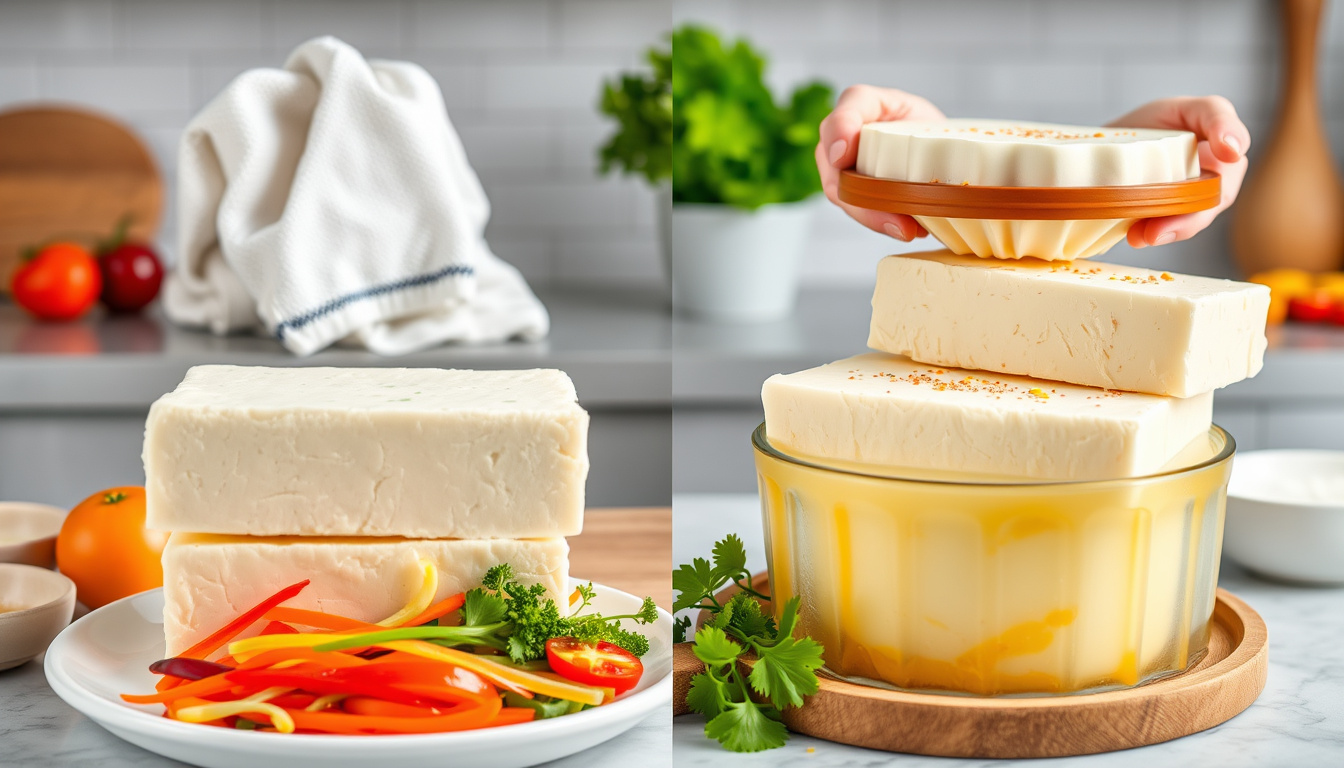
Method 1: DIY Towel and Weight Method
What You Need:
- Firm or extra-firm tofu block
- Clean kitchen towel or paper towels
- Flat plate or cutting board
- Heavy object (cast iron pan, cans of food, books)
How To:
- Drain tofu from its packaging.
- Wrap tofu block tightly in the towel.
- Place it on a plate to catch dripping water.
- Put a cutting board or second plate on top.
- Add your heavy object on top to press down.
- Let press for 15-30 minutes (longer if marinating).
Tip: For long pressing, do it in the fridge to keep tofu fresh.
Method 2: Using a Tofu Press
If you cook tofu frequently, consider investing in a tofu press. This device clamps the block and squeezes out water evenly and cleanly. Place tofu inside, clamp, and refrigerate while pressing. Pressing time ranges from 15 minutes up to a couple of hours or overnight depending on desired firmness.
Method 3: The “Boil Tofu” Trick
A trendy alternative is to boil tofu briefly in salted water:
- Simmer salted water (tasting like sea water).
- Drop tofu pieces or block into water for 2-5 minutes.
- Drain and pat dry thoroughly.
This method firms tofu slightly and seasons it internally but doesn’t remove water in the same way pressing does. It helps tofu hold together on the grill and adds subtle saltiness.
Should You Freeze Tofu Instead?
Freezing tofu changes its texture by creating ice crystals that, once thawed, create spongy pockets. This results in chewier, more absorbent tofu. It’s excellent for heavily sauced or braised dishes.
To freeze tofu:
- Freeze unopened package or drain and freeze block.
- Thaw completely in the refrigerator.
- Squeeze out extra water gently before cooking.
While some love this method for texture, it’s a matter of personal preference.
How Long Should You Press Tofu?
| Pressing Time | Effect |
|---|---|
| 10 – 15 minutes | Quick press, removes some moisture |
| 20 – 30 minutes | Standard press for most recipes |
| 1 – 2 hours | Ideal for marinating and achieving firm texture |
| Overnight | Maximum firmness, best with a proper press in the fridge |
Pressing longer doesn’t necessarily mean better tofu; it just fluffs out moisture and creates more space for marinade absorption.
Final Pressing Cheat Sheet
-
Press tofu if:
- You want deep marinade flavor.
- Making slices or “steaks” that need structure.
- Breaded or grilled tofu is desired.
- Your recipe specifically calls for it.
-
Skip pressing if:
- Using super-firm tofu.
- Baking, pan-frying, or air-frying with extra cooking time.
- Adding sauces after cooking.
- Crumbling tofu for scrambles or taco fillings.
- You’re in a hurry and want a shortcut.
Conclusion
Pressing tofu can dramatically improve both texture and flavor absorption when you understand the why and when behind it. Whether you use the classic towel and weight method, a tofu press, or even a quick boil, removing excess water makes tofu more delicious and adaptable to your cooking style. But remember, pressing isn’t always necessary — sometimes a pat dry and longer cooking time do the trick perfectly.
Master these pressing techniques to unlock tofu’s full potential in your favorite recipes and enjoy flavorful, satisfying dishes every time!