Mandy Croft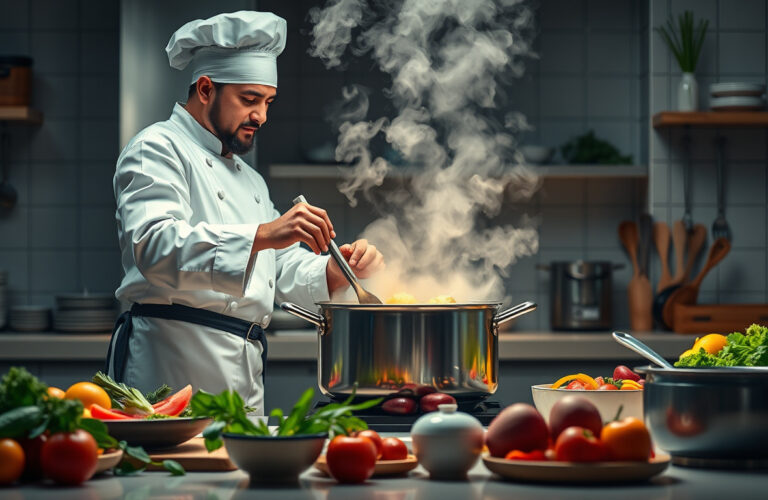
Mastering the art of culinary stirring techniques is the secret to taking your home cooking from average to extraordinary.
Whether you are whipping up delicate sauces, rich custards, or sautéing fresh vegetables, knowing exactly how and when to stir makes all the difference.
You will often see the instruction to “stir constantly” in many recipes.
Understanding the science and method behind this simple action guarantees flawless, delicious results every single time.
Why “Stirring Constantly” Matters
Stirring is not just about keeping ingredients moving; it is an essential cooking technique that ensures success.
Prevents Burning: Constant motion keeps ingredients from sticking to the hot bottom of the pan.
Ensures Even Heat: It distributes temperature evenly throughout the mixture.
Controls Texture: It prevents lumps in custards and helps create perfectly emulsified sauces.
Key Applications in Cooking
Different dishes require different approaches to constant stirring to achieve the perfect texture.
1. Smooth Sauces and Gravies
Stirring without stopping prevents flour and butter (roux) from scorching and stops lumps from forming as the liquid thickens.
2. Rich Custards
When making pastry cream or curds, continuous movement ensures the eggs cook gently without curdling into scrambled eggs.
3. Sautéed Vegetables
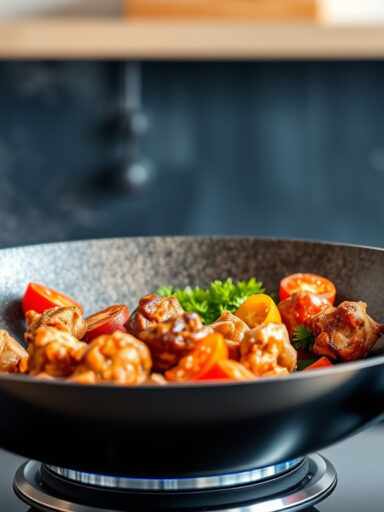
Moving vegetables constantly ensures even cooking and prevents the edges from burning before the centers are tender.
Pro Tips for Perfect Technique
Follow these simple tips to master your stirring skills in the kitchen:
Use the Right Tool: Choose a heat-resistant spatula for thick mixtures and a whisk for smooth liquids.
Scrape the Bottom: Always scrape the bottom and corners of the pan to prevent hot spots.
Control the Heat: Adjust your stove temperature appropriately so constant stirring actually prevents burning rather than just keeping up with it.
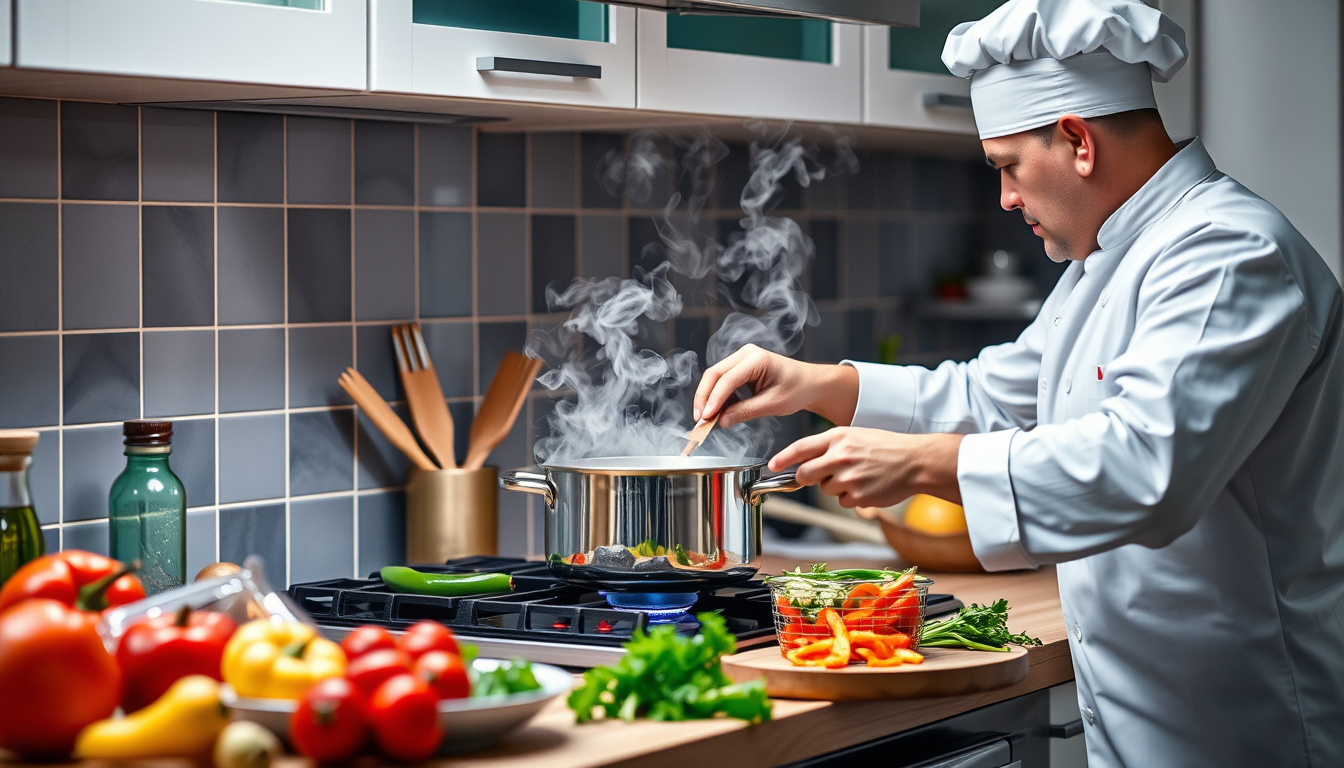
What Does “Stir Constantly” Really Mean?
In cooking, “stir constantly” is a clear instruction meaning that the food in your pan or pot needs to be kept moving without pause for a specific period. This technique is essential to prevent burning, scorching, and uneven cooking — particularly for dishes that involve thickening liquids like custards, gravies, or sauces laden with dairy.
According to Claire Lower, Senior Food Editor at Lifehacker, stirring constantly ensures the mixture emulsifies smoothly and prevents ingredients from sticking to the bottom of the pan and burning. For example, starch-thickened gravies or custards with milk require continuous stirring because the heat can cause these ingredients to scorch easily if left unattended.
Why Is Stirring Constantly So Important?
1. Prevents Burning and Sticking
When cooking delicate mixtures or dishes with high milk or starch content, the bottom of the pan can quickly become a hotspot. If you do not keep stirring, ingredients will scorch or stick, creating burned spots that alter the taste and texture of your dish. Constant stirring ensures heat is evenly distributed and prevents damage.
2. Promotes Even Cooking
Keeping ingredients in motion helps cook them evenly. This is crucial in recipes like scrambled eggs or stir-fries where uniform texture and cooking depth are desired. Stirring moves food around, making sure each piece receives the proper amount of heat.
3. Achieves Smooth Texture and Flavors
Particularly in emulsions like sauces or gravies, stirring constantly blends ingredients into a homogenous, silky texture. This action prevents separation and promotes full flavor integration, making the final dish more cohesive and flavorful.
When Not to Stir Constantly: Avoid Over-Stirring
While stirring constantly is essential in some recipes, over-stirring can be counterproductive in others. Over-stirring prevents natural browning and caramelization, crucial for developing deep, rich flavors. For example, when searing vegetables or meat, giving ingredients time to brown undisturbed forms a savory crust packed with flavor — something that constant stirring can disrupt.
- Meat browning: Let the meat brown without moving it excessively. Over-stirring causes pale, gray meat missing that essential roasted flavor.
- Vegetable sauté: Excessive stirring can turn vegetables mushy and release excess moisture, resulting in soft, flavorless dishes.
- Starches: Stirring rice or pasta too often may make the texture gluey or cause delicate pasta to crumble.
A common rule of thumb is to stir enough to prevent burning, sticking, or uneven cooking but allow time for browning and flavor development.
Practical Tips for Stirring Constantly
- Use the right tool: A wooden spoon or heat-resistant spatula is ideal. It allows smooth stirring without damaging cookware.
- Keep your focus: Constant stirring demands attention; stay near the stove during this stage to adjust heat or respond quickly if something seems off.
- Know your recipe: Some dishes require vigorous mixing; others benefit from gentler movement. Read your recipe carefully and use its context to adjust stirring frequency.
- Adjust heat as needed: Often, lowering the heat prevents burning even when stirring constantly, especially with dairy or starch-heavy dishes.
Understanding Stirring Frequencies: Constant, Frequent, and Occasional
- Stir Constantly: Keep the food moving without stopping. Crucial for custards, gravies, thickening sauces.
- Stir Frequently: Stir at regular short intervals to maintain moisture and prevent burning but allow some browning. Common in sautéed veggies.
- Stir Occasionally: Stir enough to prevent burning or sticking, but allow time for caramelization and flavor development, as with stews or slow braises.
Cooking is dynamic; use your senses — look, listen, and smell — to decide if you need to stir more or less, adjusting to your ingredients and heat source.
Conclusion
Mastering the art of stirring constantly can be a game-changer in the kitchen. It prevents burning, ensures even cooking, and helps develop desirable textures and flavors, particularly in sensitive dishes with dairy or starch. However, discerning when to stir constantly, frequently, or occasionally is equally important to avoid over-stirring, which can hinder flavor and texture development. By understanding these nuances and paying attention to your dishes as they cook, you’ll be well on your way to creating flawless, restaurant-quality meals in your very own kitchen.
Remember: Cooking is as much an art as it is a science. Experiment, observe, and adjust to find the perfect stirring rhythm that works for each dish you make. Happy cooking!