Mandy Croft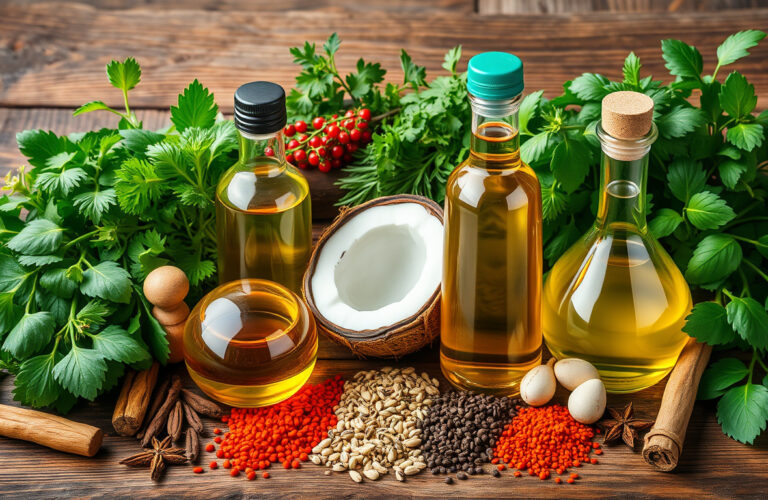
## How to Season Cast Iron:
The Ultimate Guide to Natural Oils
Want to upgrade your cooking?
The secret is proper seasoning.
Seasoning with natural oils is a time-honored culinary practice.
It completely transforms your kitchen experience.
Understanding Seasoning and the Role of Natural Oils
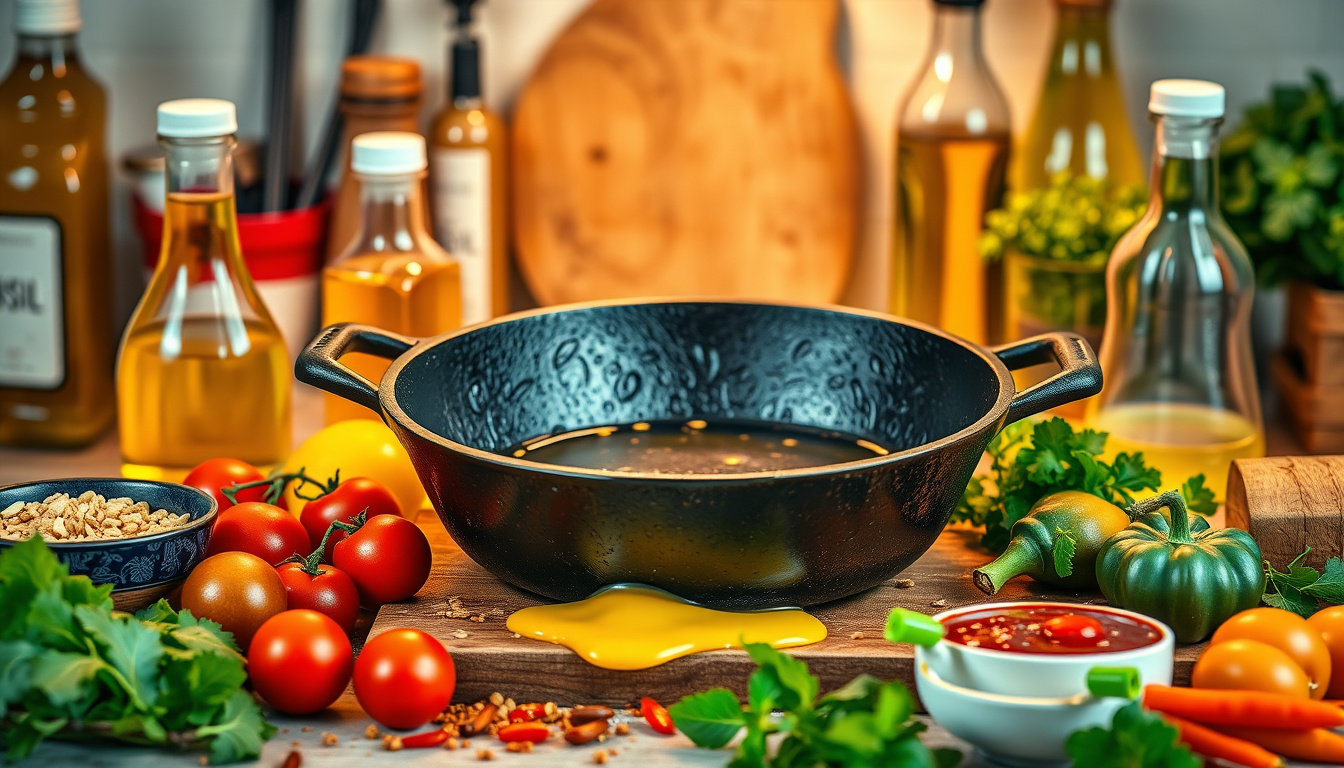
Seasoning is more than just adding flavor to your food: it’s a chemical process involving oils and heat to create a protective, nonstick layer on cookware—most notably cast iron. According to food science expert Harold McGee, seasoning occurs when fatty acids in oils react with metal surfaces through oxidation and polymerization. Heating oil on the cookware causes the molecules to break down and bond together, forming a durable, slick surface that resists rust and food sticking.
This process applies not only to cast iron but also influences the taste and juiciness of food when natural oils are used in cooking.
Why Use Natural Oils?
Natural oils are favored because they contain fats that break down and bond effectively during the seasoning process. The best oils for seasoning tend to be:
- Rich in unsaturated fats: These oils oxidize and polymerize more readily, forming a better seasoning layer.
- Have high smoke points: Oils with high smoke points can withstand the heat necessary for effective seasoning without burning.
- Neutral in flavor: This prevents overpowering your dish’s natural flavors.
Best Natural Oils for Seasoning
1. Grapeseed Oil
Ranked highly in seasoning cast iron pans, grapeseed oil creates a beautifully smooth and durable nonstick surface. It has a high smoke point (around 420°F to 485°F), making it ideal for seasoning processes that require sustained heat. Additionally, grapeseed oil is affordable and versatile for everyday cooking.
2. Canola Oil
A neutral-flavored, widely available option with a moderately high smoke point (~400°F). It’s a favorite for home seasoning due to its reliability and low cost. Canola oil works effectively in building a solid seasoning base when applied in thin layers and baked at the correct temperature.
3. Vegetable Oil (Soy-Based)
Soybean oil is used by manufacturers like Lodge in factory-seasoning cast iron cookware. It’s neutral and heat-stable, with a smoke point close to that of canola oil. Home cooks can replicate this method by applying a thin coat and baking it on their pans.
4. Flaxseed Oil (with Caution)
Flaxseed oil is praised by some for creating a hard, durable coating quickly due to its highly unsaturated fat content. However, it can be expensive, prone to flaking, and tricky to apply correctly for beginners.
Oils Less Recommended for Seasoning:
- Animal fats like lard, beef tallow, or ghee: Though popular in cooking, these are high in saturated fats and less ideal for seasoning because they can go rancid and do not polymerize as effectively.
- Coconut oil: High in saturated fats, making it less optimal for durable seasoning.
How to Use Natural Oils for Seasoning
Step-by-Step for Cast Iron Seasoning:
- Prep the Pan: Warm your cookware gently (e.g., 200°F for 10 minutes) to open pores and remove moisture.
- Apply a Thin Oil Coat: Use a paper towel to spread a very thin layer of your selected oil evenly over the entire surface, wiping off any excess oil so it doesn’t pool.
- Bake at High Temperature: Place the pan upside down in an oven preheated to between 350°F and 500°F for about an hour. This heat triggers polymerization.
- Repeat: Allow the pan to cool in the oven, then repeat the oiling and baking process 2 to 3 times for a robust seasoning layer.
Cooking with Natural Oils:
- When cooking, always apply a bit of oil to your pan to augment the seasoning, prevent sticking, and add subtle flavor.
- Choose an oil that complements your recipe, stays stable at your cooking temperature, and maintains a natural profile.
Seasoning Tips and Considerations
- Thin Coats Are Key: Thick layers of oil will become sticky rather than polymerize effectively.
- Heat Range Matters: Too low, and the oil won’t bond; too high, and it burns. Aim for moderate high heat between 350°F and 500°F.
- Oil Choice Impacts Durability: Unsaturated oils with high smoke points season better and create longer-lasting coatings.
- Routine Maintenance: Regular cooking with oil further builds and strengthens the seasoning on your cookware.
- Flavor Profiles: Since seasoning also involves oils touching your food, select oils with flavors that won’t overpower your dishes.
Conclusion
Using natural oils for seasoning—especially for cast iron cookware—is both a practical and flavorful approach to enhancing your cooking. Grapeseed, canola, and vegetable oils offer the best performance due to their balanced fatty acid profiles and high smoke points. Understanding the science behind seasoning can help you select the best oils and apply them correctly to unlock the fullest flavor potential in your dishes and extend the life of your cookware.
Embrace the process, start slow and build up layers, and soon you’ll enjoy cooking on a perfectly seasoned surface that’s as natural as the oils you choose to use. Happy cooking!