Mandy Croft
In the world of Asian cooking, achieving rich, umami-packed flavors often comes down to the sauces you choose. Hoisin sauce and oyster sauce are two staples that add depth and complexity to a wide range of dishes. While they may appear similar and are sometimes used interchangeably, they each lend distinct qualities that can transform your cooking in unique ways. Understanding when and how to use hoisin or oyster sauce can help you unlock a new level of taste and richness in your meals.
Understanding Hoisin Sauce: Sweet and Savory Complexity
Hoisin sauce is a thick, fragrant condiment primarily made from fermented soybeans combined with brown sugar, garlic, and aromatic spices like star anise and fennel. This concoction leads to a sauce that is notably sweet yet savory, with a rich and slightly tangy flavor profile.
Best Uses for Hoisin Sauce:
- Stir-fries with vegetables and meats, especially when you desire a sweet glaze
- As a dipping sauce for spring rolls, dumplings, or grilled meats
- Glazing roasted pork or duck for a caramelized finish
- Adding a sweet-savory twist to marinades and sauces
Because it balances sweetness with savory spices, hoisin sauce elevates dishes by bringing warmth and a hint of aromatic complexity. It is also plant-based, making it suitable for vegetarian or vegan diets, which provides flexibility in diverse culinary contexts.
Exploring Oyster Sauce: Intense and Umami-Rich Depth
Oyster sauce, on the other hand, originates from a process that reduces oyster extracts, which imparts it with a salty, rich, and distinctly savory flavor. Unlike hoisin, oyster sauce lacks sweetness but compensates with a bold umami punch and a silky texture that coats ingredients beautifully.
Ideal Applications of Oyster Sauce:
- Vegetable and meat stir-fries where you want to add depth without sweetness
- Enhancing broths and glazes with a robust umami boost
- As a seasoning ingredient in marinades for meats, seafood, or tofu
- Complementing leafy greens to enrich their natural flavors
Due to its oyster base, oyster sauce is not suitable for vegetarians or vegans but is a key ingredient in classic Asian dishes aiming for robust savoriness and richness.
Comparing the Two: When to Use Hoisin vs. Oyster Sauce
| Feature | Hoisin Sauce | Oyster Sauce |
|---|---|---|
| Flavor Profile | Sweet, slightly spicy, aromatic | Salty, rich, intensely umami |
| Primary Ingredients | Fermented soybeans, sugar, spices | Oyster extract |
| Texture | Thick, syrupy | Smooth, glossy |
| Best For | Sweet-savory glazing, dipping | Enhancing savory stir-fries |
| Dietary Notes | Plant-based, vegetarian-friendly | Contains shellfish, not vegetarian |
| Substitute Notes | Can substitute oyster sauce with added salt and tamari soy sauce for balance | Hoisin can substitute oyster sauce with adjustments (adds sweetness) |
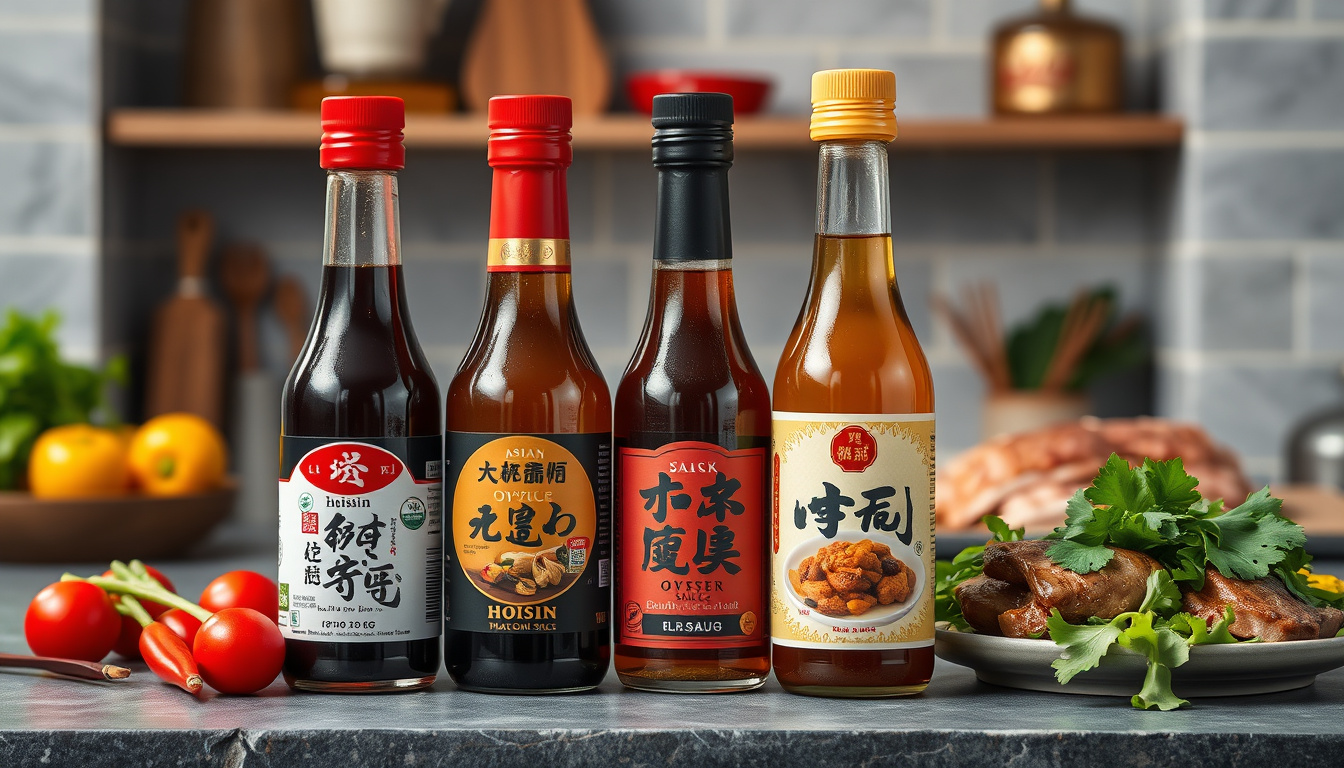
While both sauces add richness, they are not simple drop-in substitutes without tweaking. For example, if replacing oyster sauce with hoisin, adding a touch of salt or tamari can balance the sweetness and approximate the umami depth. Conversely, oyster sauce used in place of hoisin will lack sweetness and aromatic spices, so additional flavoring might be necessary.
Tips to Maximize Umami Richness in Your Cooking
- Layer Flavors: Combine hoisin or oyster sauce with soy sauce, garlic, or fresh aromatics to build deeper flavor profiles.
- Glazing: Use hoisin sauce to create shiny, sweet glazes on roasted or grilled meats.
- Stir-frying: Incorporate oyster sauce towards the end of stir-frying to coat vegetables and proteins with umami richness.
- Balancing Sweet and Savory: If a recipe calls for hoisin but you only have oyster sauce, add a pinch of sugar and a splash of tamari or soy sauce to mimic sweetness.
- Dietary Adjustments: Choose hoisin sauce as an oyster sauce alternative if you are preparing vegetarian dishes but want a similarly rich sauce.
Conclusion
Hoisin and oyster sauce each hold a place in the kitchen as essential Asian condiments that bring an unmatched richness to your cooking. Knowing their differences and how to use them thoughtfully can greatly enhance your dishes—whether you aim for the sweet-savory appeal of hoisin or the intense, salty umami of oyster sauce. Experimenting with these sauces will not only unlock new dimensions of taste but also inspire creativity in crafting authentic, flavorful meals.
By choosing the right sauce and understanding how to balance their unique characters, you can bring true umami magic to every dish you prepare.