Mandy Croft
## Master the Perfect Cooking Order: How Ingredient Density Enhances Flavor
Cooking is both an art and a science.
Want to make delicious dishes every time?
You must understand the cooking process.
The secret lies in ingredient density and cook time.
Adding ingredients in the right order changes everything.
It dramatically improves flavor and texture.
It guarantees the overall success of your meals.
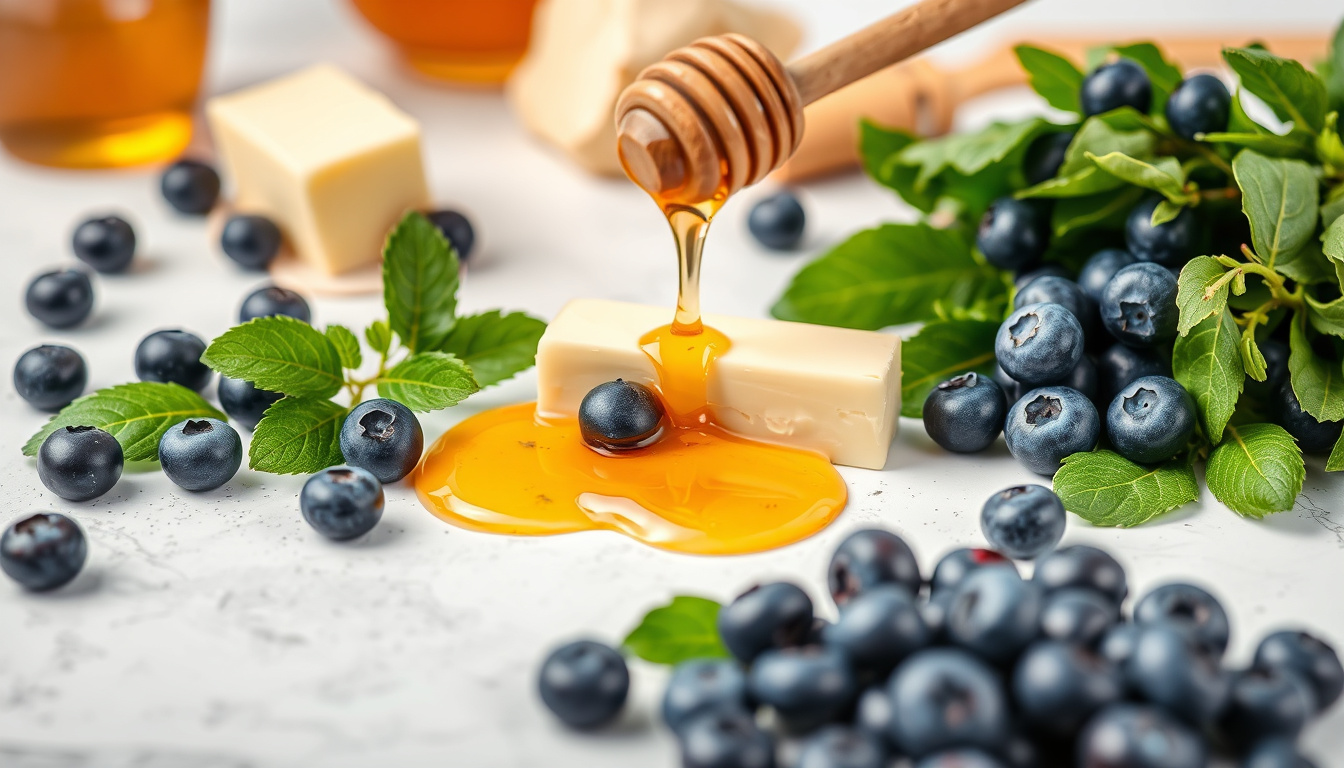
Understanding Ingredient Density and Its Importance in Cooking
Ingredient density refers to the mass of an ingredient per unit volume (usually grams per cup or gram per milliliter). Dense ingredients tend to take longer to cook through as heat takes more time to penetrate, while lighter ingredients with more water content or porous structures generally cook faster.
By acknowledging the density and associated cooking times of your ingredients, you can plan the sequence of adding them to your dish, thus ensuring everything cooks evenly and appropriately without overcooking or undercooking any component.
Examples of Ingredient Density
- Heavy flours and powders like semolina flour have high densities (~163 g per cup), while lighter flours such as almond flour are less dense (~96 g per cup).
- Sugars and syrups vary: packed brown sugar is dense (~213 g per cup), whereas honey is less dense (~21 g per tablespoon).
- Vegetables and fruits with high water content (e.g., fresh blueberries, ~180 g per cup) are less dense and tend to cook faster compared to starchier roots like carrots (~142 g per cup).
How Density Impacts Cooking Order
When preparing a dish with multiple ingredients, cooking order follows these general principles:
- Start with the densest or hardest ingredients: Root vegetables (potatoes, carrots), dense meats, and grains require longer cooking times. Adding these first ensures they cook thoroughly by the time the dish is done.
- Add moderately dense ingredients next: Softer vegetables, legumes, and partially cooked grains or meats can go in after the densest items have started to soften.
- Incorporate low-density or quick-cooking ingredients last: Leafy greens, seafood, herbs, and delicate fruits cook quickly and should be added near the end to preserve texture and freshness.
This progression guarantees all components reach their optimal doneness simultaneously.
Practical Guidelines for Cooking Based on Ingredient Density and Cook Time
Meat and Protein
- Dense cuts of meat (e.g., beef brisket, pork shoulder): These need long, slow cooking or braising and should be added earliest.
- Lean or tender meats (e.g., chicken breast, fish fillets): Cook relatively fast; add them midway or last depending on dish style.
- Small or thin pieces (e.g., meat cubes or slices): Cook faster than large chunks due to increased surface area and should be adjusted accordingly.
Using an instant-read thermometer can help determine doneness, for example, chicken to 165°F (74°C) internal temperature.
Vegetables
- Root vegetables and dense vegetables: Carrots, potatoes, beets, and similar vegetables need a longer cooking time.
- Medium density vegetables: Peppers, onions, and zucchini cook at moderate speed.
- Leafy greens and delicate herbs: Spinach, kale, and basil cook very quickly and should be added last.
Grains, Flours, and Starches
If preparing dishes involving various flours or starches, accuracy in measuring by weight or volume considering densities ensures consistent textures. For example:
- Semolina flour (163 g/cup) is heavier and typically used for hearty pasta or breads.
- Almond flour (96 g/cup) is lighter and imparts a different texture and moisture content.
Adjust hydration and cooking time accordingly.
Sugars and Sweeteners
Dense sweeteners like packed brown sugar (213 g/cup) or molasses (85 g/1/4 cup) dissolve slower and can impact texture and cooking when caramelizing or baking.
Step-by-Step Cooking Approach by Ingredient Density
- Plan your ingredients: Identify the densest and slowest-cooking components.
- Prepare ingredients in size-appropriate pieces: Smaller pieces cook faster – chop root vegetables finely to reduce cooking time.
- Begin cooking with the densest items: For example, start with diced potatoes or large cuts of meat.
- Add moderately dense ingredients as early components soften.
- Incorporate quick-cooking ingredients last, such as greens or seafood, just long enough to heat through.
- Adjust as you cook: Use taste and texture testing to tweak timing and avoid overcooking.
Cooking Multiple Ingredients Together: Tips from Culinary Experts
- Cook ingredients separately then combine: This technique allows precise control over cooking times and texture retention. Sauté onions until translucent, lightly cook vegetables separately, then combine just before serving.
- Use water content and surface area as guides: Ingredients with higher water content and more surface area cook faster. For example, leafy greens cook rapidly compared to dense mushrooms.
- When in doubt, trust your senses: Taste and texture tests are invaluable beyond timing or density tables, especially when deviating from recipes.
Conclusion
Mastering the order of cooking ingredients based on their density and cooking times elevates your culinary results by harmonizing texture, flavor, and doneness. Whether preparing a complex stew, hot pot, or baked goods, thoughtful sequencing backed by knowledge of ingredient density transforms cooking from a rigid process into an intuitive and rewarding art. Practice these principles, experiment with your favorite ingredients, and watch your cooking confidence grow—recipe-free and foolproof.
Reference Table: Selected Ingredient Densities (grams per volume)
| Ingredient | Volume | Weight (g) |
|---|---|---|
| Semolina flour | 1 cup | 163 |
| Almond flour | 1 cup | 96 |
| Brown sugar (packed) | 1 cup | 213 |
| Carrots (diced) | 1 cup | 142 |
| Applesauce | 1 cup | 255 |
| Butter | 1/2 cup | 113 |
| Water | 1 cup | 227 |
| Honey | 1 tablespoon | 21 |
| Fresh blueberries | 1 cup | 180 |
| Leafy greens (spinach) | 1 cup | varies (~25-40) |
Note: Exact densities vary with ingredient form and moisture content.
By integrating ingredient density awareness into your cooking routine, you can unlock a new level of culinary precision and creativity. Happy cooking!