Mandy Croft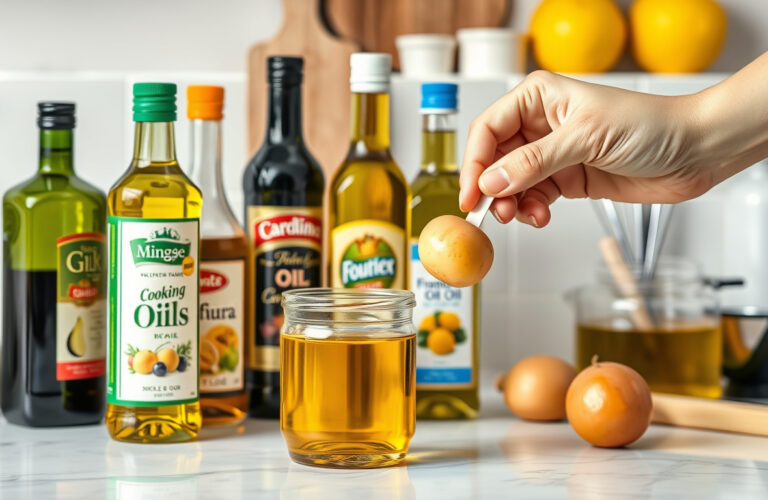
Cooking oil is a staple in kitchens worldwide, essential for frying, sautéing, and adding flavor to many dishes. But how can you be sure your oil is at the right temperature or still good to use? Fortunately, there’s a simple, effective way to test your cooking oil using just a small piece of food. This practical method helps you gauge the oil’s readiness and quality without needing special tools like a thermometer.
Why Testing Oil Quality and Temperature Matters
When deep-frying or cooking with oil, maintaining the right temperature is crucial. Oil that is too hot can burn the food’s outer layer while leaving the inside undercooked. Conversely, oil that’s not hot enough causes food to absorb excessive oil, resulting in greasy and soggy textures. Moreover, overheated or old oil can degrade in quality, negatively affecting both taste and health.
The Simple Food Test to Check Oil Readiness
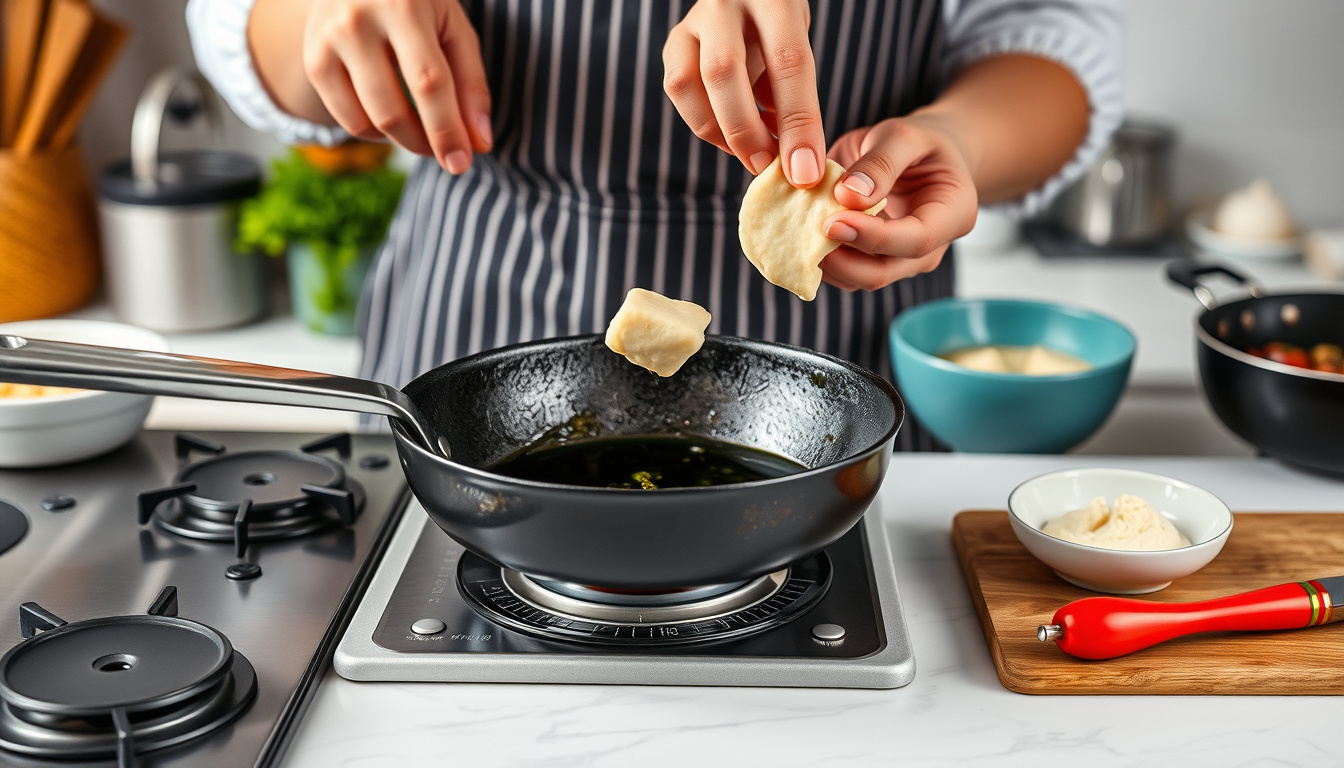
One of the most accessible ways to test oil is by dropping a small piece of food into the hot oil and observing its reaction:
- Drop a tiny piece of batter, dough, or food (about the size of a blueberry or a small bread cube) into the oil.
- If the oil immediately bubbles and the piece of food sizzles, the oil is hot enough for cooking.
- If the food quickly browns or burns, the oil is too hot and should be allowed to cool slightly before frying.
- If there’s little to no bubbling or sizzling, the oil is not yet hot enough.
This method is practical and based on the direct sensory cues of bubbling and sizzling, indicating the oil’s temperature range suitable for frying (typically between 360°F to 375°F or 182°C to 190°C for most foods).
Additional Tips for Testing and Managing Cooking Oil
-
Using Bread: Drop a small piece (about 1 inch) of bread into the hot oil. Properly heated oil will brown the bread within 30 to 40 seconds.
-
Wooden Spoon or Chopstick Test: Dip the end of a wooden spoon or chopstick into the oil. If the oil bubbles steadily around the wood, it’s hot enough; vigorous bubbling means the oil is very hot, and smoke indicates it’s too hot.
-
Selecting the Right Oil: Use oils with a high smoke point like vegetable, canola, sunflower, or peanut oil for deep frying. These oils withstand high temperatures without breaking down.
-
Avoid Overcrowding: Fry foods in batches to maintain consistent oil temperature; adding too much food at once cools the oil and affects cooking quality.
-
Keeping Oil Clean: Regularly remove food debris and burnt bits to prolong oil usability and avoid unwanted flavors.
-
Disposing of Used Oil: Let oil cool, strain it to remove food particles, and store it in a container before disposing or recycling. Never pour oil down drains to prevent plumbing issues.
Conclusion
Testing your cooking oil with a little piece of food is an easy, effective way to ensure it’s at the right temperature and still good to use. This no-fuss approach can help you perfect your frying technique, avoid greasy or burnt dishes, and make your cooking safer and tastier. So next time you heat up your oil, grab a small piece of dough or bread and watch for that satisfying sizzle—it’s your kitchen secret to frying success!