Mandy Croft
Cooking with oil is an essential part of many recipes, but encountering smoke from oil can be frustrating, unhealthy, and ruin the flavor of your meals. Understanding why oil smokes and how to prevent it will elevate your cooking skills and ensure perfectly cooked dishes every time. This guide explores the science behind oil smoking, the importance of smoke points, and practical tips to help you avoid oil smoke in your kitchen.
What Causes Oil to Smoke?
Oil smoking occurs when the oil reaches its smoke point, the temperature at which it begins to break down chemically and produce visible smoke. This breakdown releases unpleasant compounds like acrolein, which not only imparts a bitter, burnt taste but can also pose health risks including inflammation and potential long-term diseases.
The smoke point varies widely among oils and fats, influenced by their chemical compositions and processing methods. When oil exceeds its smoke point:
- The fats degrade, generating free radicals.
- Toxic compounds like acrolein form.
- Nutritional quality decreases as beneficial antioxidants are destroyed.
- Unpleasant flavors develop, negatively impacting the taste of your food.
Understanding Smoke Points of Popular Cooking Oils
Choosing the right oil for your cooking method is key to avoiding smoke and optimizing flavor and health benefits. Here’s a breakdown of oils by their typical smoke points:
High Smoke Point Oils (Best for Frying, Searing, and High-Heat Cooking)
- Avocado Oil: ~520°F (271°C) — Ideal for all high-heat cooking; neutral flavor and rich in heart-healthy monounsaturated fats.
- Peanut Oil: ~450°F (232°C) — Common in commercial settings; great for frying with a subtle nutty taste.
- Canola Oil: ~400°F (204°C) — Affordable and versatile for frying and sautéing.
- Tallow: ~400°F (204°C) — Animal fat with rich flavor and stability under heat.
Medium Smoke Point Oils (Good for Sautéing and Roasting)
- Refined Olive Oil: ~465°F (240°C) — Suitable for roasting and pan-cooking.
- Sesame Oil: ~410°F (210°C) — Often used in Asian cuisine with distinctive flavor.
- Vegetable Oil Blends: ~400°F (204°C) — Reliable and commonly available.
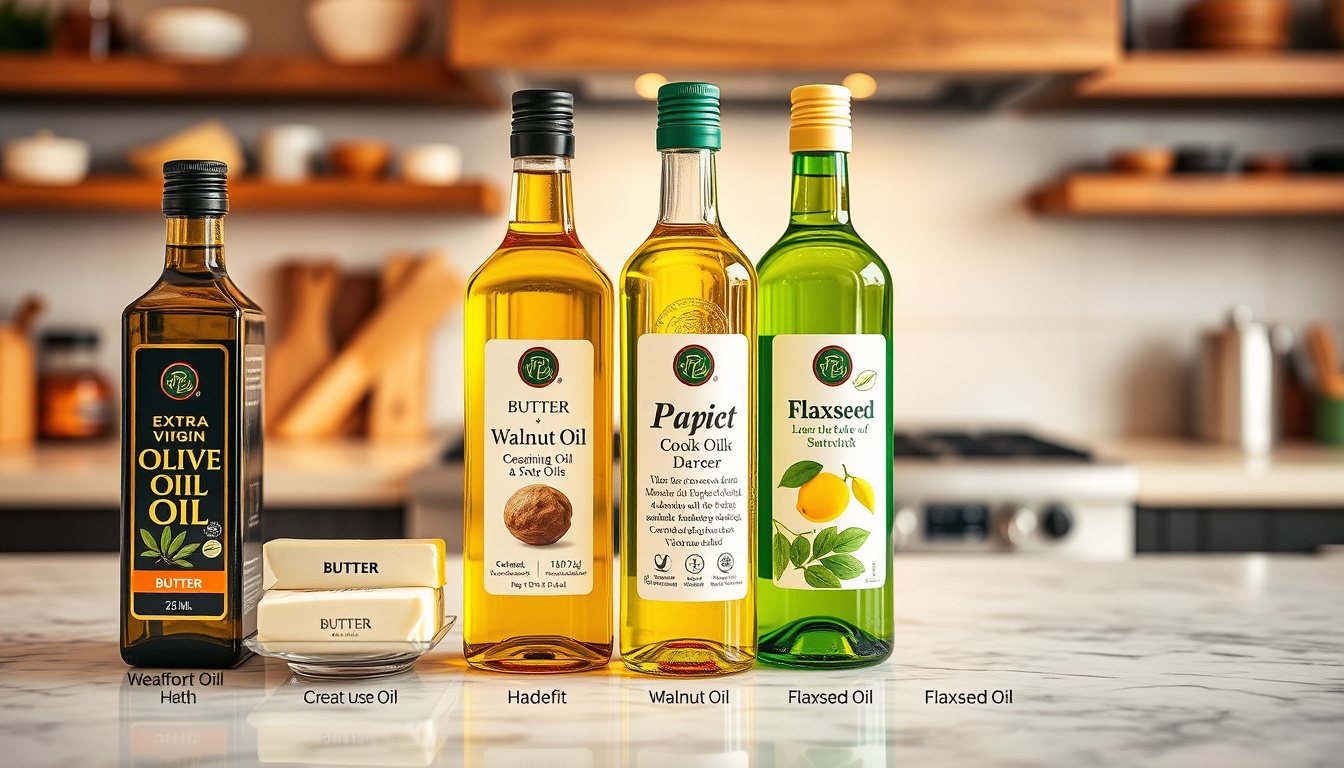
Low Smoke Point Oils (Best for Dressings and Low-Heat Use)
- Extra Virgin Olive Oil: ~350°F (177°C) — Delicate, best used for finishing or low-temperature cooking.
- Butter: ~300°F (149°C) — Adds richness but burns quickly on high heat.
- Flaxseed and Walnut Oils: Between 225°F to 320°F (107°C to 160°C) — Fragile oils ideal for cold uses.
Tips to Avoid Oil Smoking While Cooking
-
Know Your Oil’s Smoke Point: Match your cooking method to an oil that can tolerate the heat needed. Use high smoke point oils for frying and searing to avoid burning.
-
Watch for the "Shimmer": Professional chefs observe the oil closely. When it starts to shimmer but before smoke appears, it’s the perfect time to add your food. This prevents the oil from overheating and smoking.
-
Control Your Heat: Use medium to medium-high heat for sautéing and roasting to keep oil from exceeding its smoke point.
-
Avoid Reusing Old Oil Too Many Times: Reused oil breaks down faster and has a lower effective smoke point. Filter oil to remove food particles and discard when it becomes dark or foamy.
-
Store Oil Properly: Keep oils in airtight containers away from light and heat to preserve their quality and smoke point.
-
Don’t Mix Different Oils: Mixing fresh and used oils or different types can lower the smoke point and degrade oil quality more quickly.
Health Considerations
Excessively heated oils produce acrolein and other harmful compounds linked to inflammation and increased risk of chronic diseases. Choosing oils with appropriate smoke points and managing cooking temperatures can minimize these risks.
On a positive note, some oils like olive and avocado contain heart-healthy monounsaturated fats. Cooking vegetables in olive oil, even at moderate heat, can enhance their antioxidant properties.
Debunking Common Myths: Olive Oil and Smoke Points
A common caution against cooking with olive oil stems from its lower smoke point, especially extra virgin varieties. However, recent insights show that:
- Refined and virgin olive oils have higher smoke points suitable for most cooking.
- The key indicator is not the exact smoke point temperature but the oil’s behavior: the shimmer stage signals the time to add food or reduce heat.
- So cooking with olive oil at moderate to high heat is safe and beneficial, provided you avoid letting the oil visibly smoke.
Summary: Mastering Oil Use for Smoke-Free Cooking
- Choose the right oil for your cooking style based on smoke points.
- Use visual cues, like oil shimmering, to time your cooking steps.
- Avoid overheating and reusing oil excessively.
- Store oils away from heat and light to maintain quality.
- Be mindful of health impacts by preventing toxic compound formation.
By understanding and respecting cooking oil smoke points and behavior, you can prevent smoke, preserve flavors, ensure safety, and cook delicious meals every time. Happy cooking!
Reference Smoke Points Table (Approximate)
| Oil/Fat | Smoke Point (°F) | Best Use |
|---|---|---|
| Avocado Oil | 520 | Frying, searing |
| Refined Olive Oil | 465 | Roasting, sautéing |
| Peanut Oil | 450 | Frying |
| Canola Oil | 400 | Frying, sautéing |
| Tallow | 400 | Frying |
| Sesame Oil | 410 | Stir-frying, marinades |
| Extra Virgin Olive Oil | 350 | Finishing, low-heat cooking |
| Butter | 300 | Low-heat sautéing |
| Walnut Oil | 320 | Dressings, cold use |
| Flaxseed Oil | 225 | Dressings, cold use |
By applying these insights and tips, your kitchen will remain free of oily smoke, and you will enjoy perfectly cooked meals with enhanced flavors and health benefits. Happy cooking!