Mandy Croft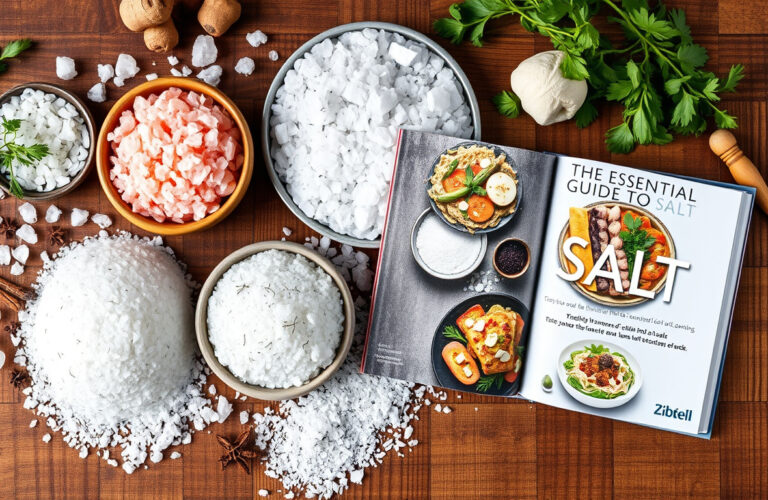
The Essential Guide to Salt: Nature, Use, and Impact
Salt is far more than a kitchen staple.
This vital mineral has shaped civilizations, enriched global cuisines, and preserved foods for millennia.
Understanding salt is key to mastering flavor and nutrition. This guide explores everything you need to know about this indispensable compound.
What Is Salt?
Chemically, salt is primarily sodium chloride (NaCl), a crystalline compound formed from sodium and chlorine ions. It is abundant in nature, commonly extracted from salt mines or through the evaporation of seawater and mineral-rich springs. Salt is not only crucial for human consumption but also serves various industrial purposes.
Beyond chemistry, “salt” has figurative meanings: it can symbolize flavor, sharpness, or integrity, reflected in expressions like “salt of the earth” or “take with a grain of salt.”
Historical and Cultural Significance
Salt’s role in human history is profound. Archaeological evidence traces salt production back to around 6000 BCE in present-day Romania and China, where early humans harvested salt by evaporating mineral-rich waters. Throughout ancient civilizations such as the Hebrews, Greeks, Romans, and Egyptians, salt was a prized trade commodity, crucial for food preservation and even used ceremonially in agreements.
Historically, salt routes crisscrossed continents, from “salt roads” in Europe to camel caravans crossing the Sahara. Salt’s value was so immense that it instigated wars and influenced taxation policies.
Types of Salt
Salt comes in diverse forms, each differing in texture, mineral content, and culinary uses:
- Table Salt: Finely ground, often iodized to prevent iodine deficiency, and contains anti-caking agents.
- Sea Salt: Harvested from evaporated seawater, available in fine or coarse grains; it retains trace minerals.
- Kosher Salt: Larger, flaky crystals favored in cooking for ease of handling and seasoning control.
- Rock Salt (Halite): Crystalline mineral form used in cooking and for industrial applications.
- Specialty Salts: Himalayan pink salt, fleur de sel, and black salt offer unique colors and mineral profiles for gourmet uses.
The sodium content can vary by type and grain size, affecting how much salt delivers the desired flavor and sodium intake.
Culinary Uses of Salt
Salt enhances flavor by amplifying food’s natural taste and balancing sweetness or bitterness. It is central to various cooking techniques:
- Seasoning: Salt is added during or after cooking to improve taste.
- Preservation: Salting, brining, and pickling inhibit bacterial growth, extending food shelf life.
- Texture and Binding: Salt firms proteins in meats and influences dough structure.
Additionally, salt is present in many processed foods, contributing to their flavor and preservation.
Salt and Health
Sodium—the primary ion in salt—is essential for nerve function, muscle contraction, and fluid balance. The human body requires a minimal daily sodium intake, estimated around 500 mg, to maintain these vital processes.
Recommended Intake
Health authorities suggest limiting sodium intake to reduce the risk of chronic diseases:
- The World Health Organization (WHO) recommends under 2,000 mg of sodium (approximately 5 grams of salt) per day.
- The U.S. guidelines recommend an Adequate Intake of 1,500 mg sodium daily for adults and establish a Chronic Disease Risk Reduction limit at 2,300 mg sodium per day.
Health Risks of Excessive Salt
Consuming too much salt can lead to elevated blood pressure (hypertension), increasing the risk of heart disease, stroke, and kidney problems. Excess sodium causes the body to retain water, raising blood volume and straining the cardiovascular system.
Certain populations, such as older adults, African-Americans, and individuals with pre-existing hypertension, are more sensitive to salt’s effects. Studies like the DASH trial demonstrate blood pressure reductions through dietary sodium restriction combined with increased intake of fruits, vegetables, and potassium.
Salt Sensitivity and Research
Research shows variability in individual responses to sodium intake, with “salt-sensitive” persons benefiting most from restriction. Long-term studies indicate that lowering sodium consumption reduces cardiovascular disease incidence.
Non-Dietary Uses of Salt
Beyond food, salt serves many practical and industrial purposes:
- De-icing: Sprinkled on roads to melt ice in winter.
- Chemical Production: It is a key raw material in producing chlorine, caustic soda, plastics, and paper pulp.
- Water Conditioning: Used in water softening systems.
- Cultural and Religious Practices: Incorporated in rituals and traditional customs.
Conclusion
Salt is far more than a seasoning—it is a mineral deeply woven into the fabric of human history, culture, and health. While essential for life and flavor, moderation is key to avoid health risks associated with excessive sodium intake. Understanding salt’s diverse forms and uses allows us to appreciate its value while making informed choices for a balanced diet and lifestyle.
References:
- Merriam-Webster Dictionary, “Salt” definition and etymology.
- Wikipedia, “Salt” article.
- The Nutrition Source, Harvard T.H. Chan School of Public Health, “Salt and Sodium.”
- World Health Organization dietary guidelines on sodium intake.