Mandy Croft
The Role of Acidity: Balancing Flavor and Well-being
Acidity is a cornerstone of great cooking. It does more than just add a tangy kick—it influences everything from flavor depth to your digestive comfort.
Understanding how to balance acidity is essential for creating meals that are both delicious and easy on the body.
What is Acidity?
At its core, acidity refers to the presence of acid substances, which in culinary terms are ingredients that contribute a sour or tangy flavor profile. These include citrus fruits (lemons, limes, oranges), vinegar, tomatoes, yogurt, and fermented foods. Acidity provides food with brightness, helps balance richness or sweetness, and can even act as a tenderizer in marinades.
In the human body, particularly in the digestive tract, acidity mainly refers to stomach acid—primarily hydrochloric acid—which is vital for breaking down foods and absorbing nutrients. However, when stomach acid escapes into areas where it shouldn’t be, it can cause discomfort and damage. The pH scale measures acidity, with lower pH indicating higher acidity.
Acidity in Culinary Flavor Balance
Balancing acidity in a dish is essential to avoid overpowering or dull flavors. Acidity can:
- Counterbalance sweetness in desserts or sauces.
- Cut through fattiness in rich dishes, providing freshness.
- Enhance natural flavors and aromas.
- Prevent dishes from feeling “heavy” or cloying.
Achieving the right acidity level requires knowledge of ingredient characteristics and culinary intuition. For example, a splash of lemon juice can brighten a stew, while too much vinegar may overwhelm the palate.
Acidity and Digestive Health: Acid Reflux and GERD
Understanding acidity also involves recognizing how stomach acid affects digestion and health. Occasionally, stomach acid may flow backward into the esophagus, causing acid reflux—a burning sensation known as heartburn. Chronic acid reflux is known as Gastroesophageal Reflux Disease (GERD), a condition that can damage the esophagus lining over time if untreated.
Causes of Acid Reflux and GERD
- Weak or relaxed lower esophageal sphincter (LES): The LES is a valve that prevents stomach contents from moving back up. When it weakens, acid can flow backward.
- Hiatal hernia: When part of the stomach pushes into the chest cavity, it can aggravate reflux.
- Lifestyle factors: Obesity, smoking, pregnancy, large fatty meals, alcohol, and certain medications can all relax LES or increase acid production.
- Certain foods: Chocolate, coffee, alcohol, mint, garlic, onions, and spicy or fatty foods may exacerbate symptoms.
Symptoms
- Heartburn (burning chest pain)
- Sour or bitter taste in mouth
- Regurgitation of food or liquid
- Difficulty swallowing
- Chronic cough, wheezing, or asthma-like symptoms
Management and Prevention
- Lifestyle modifications: Eating smaller meals, avoiding trigger foods and lying down soon after eating, quitting smoking, and managing weight.
- Medications: Antacids, H2 blockers, and proton pump inhibitors reduce stomach acid.
- Surgery: In severe cases, procedures like fundoplication strengthen LES function.
Distinguishing Acidity from Gas-Related Discomfort
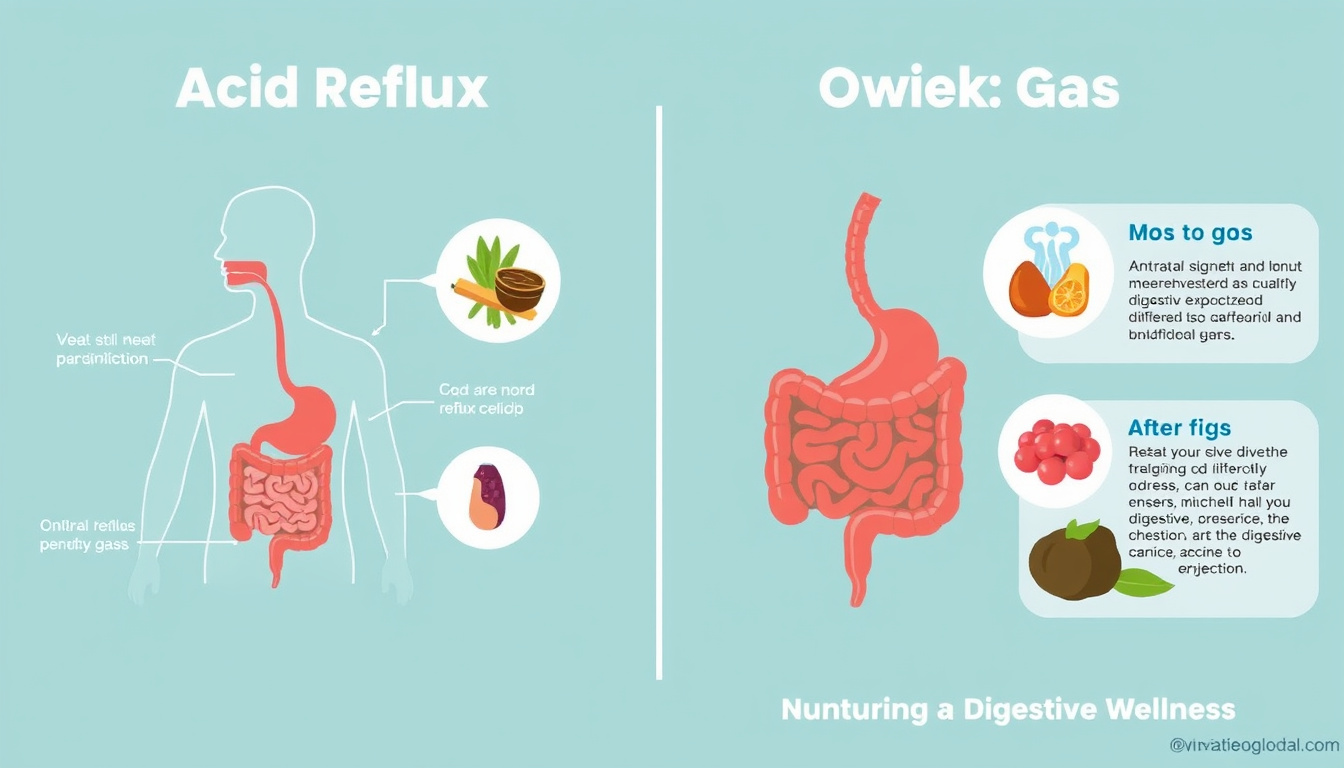
Digestive discomfort often involves symptoms associated with acidity but can also be caused by gas. Gas results from swallowed air or the breakdown of food by gut bacteria, leading to bloating, cramping, and abdominal pain. Unlike the burning sensation of acidity or acid reflux, gas pain is often sharp and improves after belching or passing gas.
Key Differences:
| Symptom | Acidity/Acid Reflux | Gas |
|---|---|---|
| Sensation | Burning chest pain (heartburn) | Sharp abdominal cramps |
| Location | Radiates from stomach to throat | Localized in abdomen |
| Relief | Antacids, lifestyle changes | Belching, passing gas, bowel movement |
| Accompanying signs | Sour taste, regurgitation, difficulty swallowing | Bloating, rumbling stomach noises |
If symptoms persist or cause significant discomfort, consulting a gastroenterologist is important to diagnose and treat the condition effectively.
Preventing and Managing Acidity for Health and Taste
Whether in cooking or digestion, managing acidity wisely enhances enjoyment and well-being:
- In cooking: Use acidic ingredients thoughtfully to balance and brighten dishes without overpowering them.
- For digestion: Maintain healthy eating habits, avoid overeating and known reflux triggers, manage stress, and seek medical care if acid reflux symptoms are frequent or severe.
Conclusion
Acidity is a fundamental element that shapes both the taste and experience of food. Knowing how to balance acidity enhances culinary delights and supports digestion. Distinguishing between acid reflux and other digestive issues like gas ensures that appropriate care is taken. By integrating knowledge of acidity’s roles in flavor and health, we can savor our meals fully while nurturing our digestive wellness.
References:
- Cleveland Clinic. Acid Reflux & GERD: Symptoms, Causes, Treatment. (2023)
- Pfizer. Heartburn, Acid Reflux, or GERD: What’s the Difference?
- SPARSH Hospitals. Acidity vs Gas: How to Tell the Difference? (2025)