Mandy Croft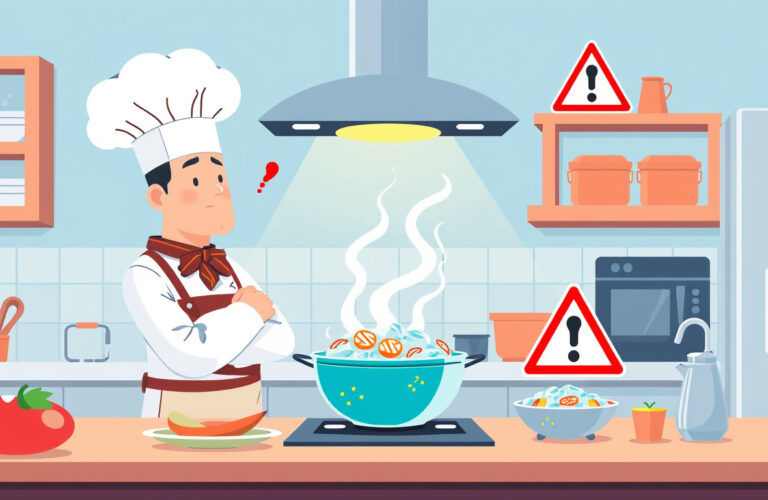
Cooking frozen ingredients directly from the freezer seems convenient.
It saves time when you are busy.
You might want to toss frozen meat straight into a pan.
Or put frozen vegetables into the microwave.
However, this practice carries hidden risks.
It can ruin your meal quality.
It can also harm your health.
Here is why you should avoid cooking food completely frozen.
Understanding the Risks of Cooking Frozen Foods Directly
Uneven Cooking and Food Safety Concerns
One of the primary dangers of cooking frozen ingredients without proper thawing is uneven cooking. When food is cooked from frozen, the exterior may heat up quickly and appear done, while the interior remains undercooked. This problem is especially critical with meats, poultry, and seafood, where insufficient cooking can allow harmful bacteria such as Salmonella or E. coli to survive. According to guidance from the USDA Food Safety and Inspection Service, these pathogens can cause foodborne illnesses if food does not reach a safe internal temperature.
The “Danger Zone” in Food Temperature
Frozen food that is cooked too quickly without thawing can spend too much time in the temperature “danger zone,” which ranges from 40°F to 140°F (approximately 4°C to 60°C). Within this range, bacteria multiply rapidly. Cooking frozen ingredients directly may extend the time food spends in the danger zone, especially if the outer layers cook faster than the core, increasing the risk of foodborne illness.
Texture and Quality Degradation
Cooking frozen ingredients without thawing can negatively affect the texture, taste, and overall quality of food. For instance, frozen vegetables can become soggy or unevenly cooked, leading to an unpleasant dining experience. Meats might become tough or dry as the surface overcooks while the inside remains raw. Slow and even cooking, often achieved by thawing prior to cooking, helps preserve the integrity of the food.
Common Scenarios: Why Avoid Direct Cooking of Frozen Foods
Frozen Meat and Poultry
Thawing meat and poultry before cooking is essential for safety and quality. Cooking frozen meat directly can result in an uneven internal temperature, increasing the risk of pathogens surviving. The USDA recommends thawing meat in the refrigerator, cold water, or microwave before cooking to ensure that it cooks evenly and reaches a safe temperature throughout.
Frozen Prepared Meals and Vegetables
While some packaged frozen meals are designed for direct cooking, many frozen vegetables and homemade frozen items benefit from thawing first. Thawing ensures an even heat distribution during cooking, preventing soggy textures or cold spots that reduce meal enjoyment.
Using Microwaves for Thawing
Microwaves can be used to defrost food safely, but it is crucial to cook the food immediately after microwave thawing to prevent bacterial growth. In contrast, cooking foods directly from frozen in a microwave often results in uneven cooking.
Safer Alternatives to Cooking Frozen Ingredients Directly
Proper Thawing Methods
- Refrigerator Thawing: Placing frozen food in the refrigerator allows it to thaw slowly and safely at a constant temperature, minimizing bacterial growth.
- Cold Water Thawing: Submerging food, sealed in a watertight plastic bag, in cold water with water changes every 30 minutes speeds up thawing while maintaining safety.
- Microwave Thawing: Using the microwave’s defrost function can quickly thaw food, but it must be cooked immediately after to prevent bacterial proliferation.
Cooking From Frozen When Appropriate
While generally discouraged, some foods, like certain frozen prepared meals or small frozen vegetables, are labeled safe for cooking from frozen. In such cases, it’s important to follow manufacturer instructions closely to ensure food safety and quality.
Using Food Thermometers
Monitoring internal food temperatures with a food thermometer helps confirm that food has been cooked safely to recommended temperatures (e.g., 165°F/74°C for poultry). This is vital when cooking from frozen or thawed states.
Conclusion
Avoiding cooking frozen ingredients directly is a crucial step in ensuring both the safety and quality of your meals. Thawing food properly helps prevent foodborne illnesses by ensuring even cooking and maintaining optimal texture and flavor. By understanding the risks and employing safe thawing methods, you can enjoy meals that are not only convenient but also delicious and safe to eat.
Key Takeaways:
- Cooking frozen foods directly can cause uneven cooking and foodborne illnesses.
- Always thaw meat, poultry, and many frozen ingredients before cooking using safe methods.
- Follow food safety guidelines and use a food thermometer to check doneness.
- Some frozen foods may be safely cooked from frozen if following specific instructions.
- Thawing preserves the taste, texture, and quality of your food.
By thinking twice before cooking frozen ingredients directly, you protect your health and elevate your culinary outcomes.