Mandy Croft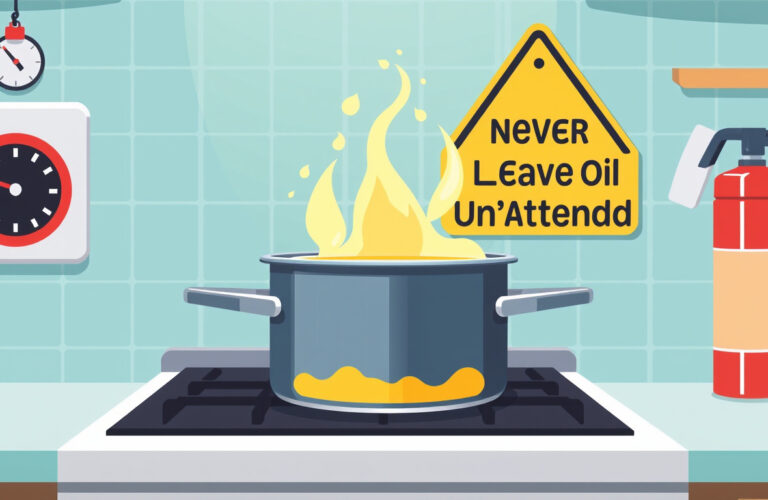
## Why Leaving Cooking Oil Unattended is a Dangerous Mistake
Cooking with oil is common.
However, it carries severe risks.
The biggest hazard?
Kitchen fires from unattended oil.
Leaving hot oil alone is dangerous.
It can ignite in seconds.
This guide shows you how to stay safe.
You will learn to prevent disasters.
You will know how to react.
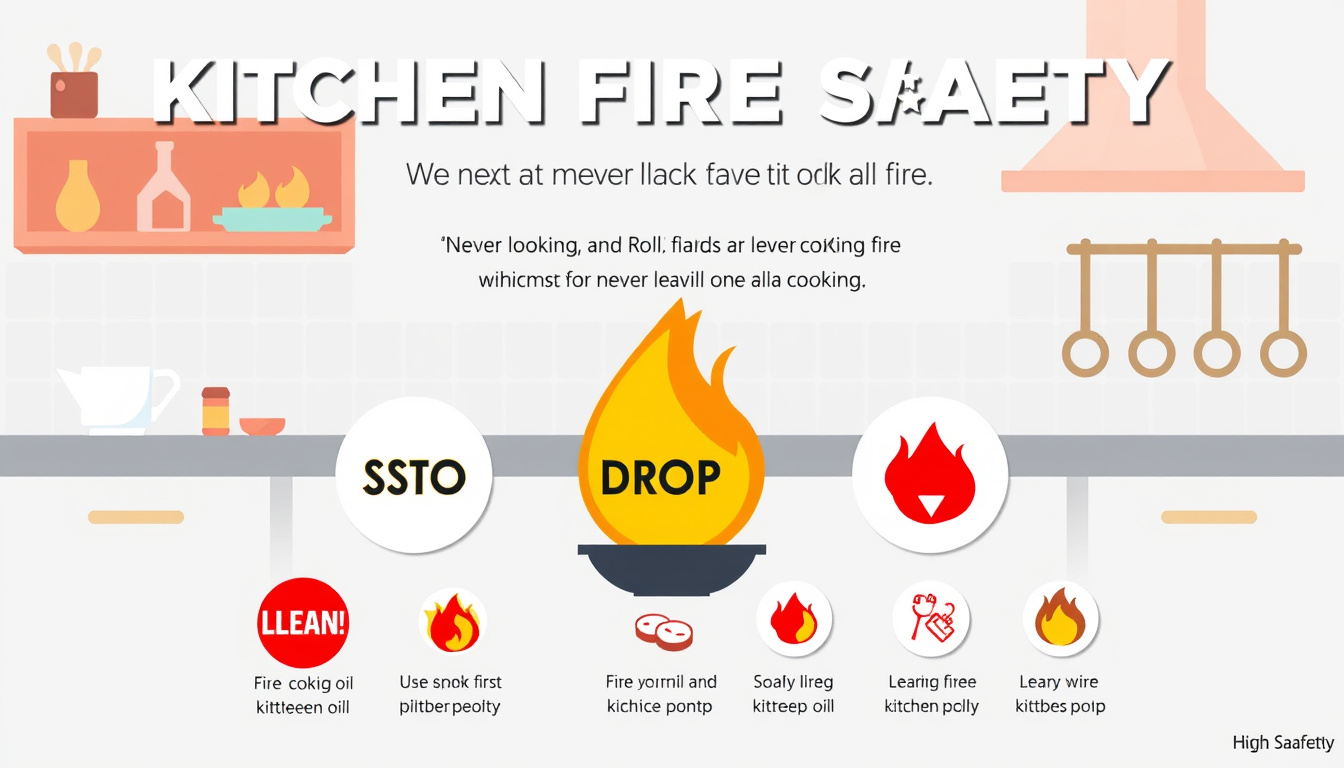
Why You Should Never Leave Oil Unattended
Cooking oil can reach extremely high temperatures, and if left unattended, it can easily overheat and ignite, leading to a grease fire. Unlike regular fires, oil fires can spread quickly and become difficult to control. Several fire services, including the Nottinghamshire and Singapore Civil Defence forces, have reported numerous kitchen fires caused by unattended cooking oils, emphasizing the importance of constant supervision when using oil.
Common Causes of Oil Fires:
- Leaving the stove or deep fryer unattended while heating oil.
- Overheating oil until it begins to smoke.
- Fat buildup on ovens, hobs, or grills that can catch fire if exposed to heat.
- Presence of flammable items close to the cooking area.
- Cooking while under the influence of alcohol, which impairs judgment and reaction time.
Key Safety Tips for Cooking with Oil
- Never Leave Oil or Cooking Unattended
Always stay in the kitchen when heating oil or cooking food with oil. If you must leave, turn off the heat first to prevent accidents. - Use Thermostat-Controlled Appliances
Consider using electric deep fat fryers with temperature controls. They reduce the risk of oil overheating and catching fire. - Keep Flammable Items Away from Heat Sources
Items like kitchen towels, paper, plastic, or curtains should be kept at a safe distance from the stove or hob. - Maintain Clean Cooking Areas
Regularly clean ovens, hobs, and grills to avoid the accumulation of grease and fat, which can easily ignite. - Avoid Cooking While Impaired
Stay alert and avoid cooking under the influence of alcohol or any substances that reduce your responsiveness. - Monitor Children in the Kitchen
Never leave children unattended near cooking appliances. Their safety is paramount. - Be Prepared with Fire Safety Equipment
Keep a fire blanket and a suitable fire extinguisher nearby, particularly one rated for grease fires.
What to Do if Your Oil Catches Fire
- Never Throw Water on Oil Fires: Throwing water on an oil fire causes the oil to splash and the fire to spread rapidly, making the situation worse.
- Turn Off the Heat Source: If it is safe to do so, immediately turn off the stove or hob to stop further heating.
- Cover the Pan: Use a metal lid or a fire blanket to smother the flames by cutting off oxygen supply.
- Do Not Move the Pan: Moving a burning pan can cause hot oil to spill, spreading the fire and increasing the risk of burns.
- Evacuate and Call Emergency Services: If the fire cannot be quickly controlled, get everyone out of the premises and call emergency services immediately.
Additional Advice for Kitchen Safety
- Keep electrical appliances and cords away from water to reduce the risk of electric shocks or short circuits.
- Do not put metal objects in the microwave or place any flammable cloths near cooking appliances.
- Regularly service gas and electric cooking appliances to ensure they are in good working order.
- Learn basic first aid for burns and educate family members on fire safety protocols, such as “Stop, Drop and Roll.”
Conclusion
Never leaving cooking oil unattended is one of the simplest yet most effective ways to prevent kitchen fires. Being vigilant, maintaining a clean cooking environment, and knowing how to react in emergencies can save lives and property. Always prioritize safety in the kitchen and make sure that everyone in your household understands the dangers of unattended oil and the correct response to oil fires.
Stay safe and cook smart!