Mandy Croft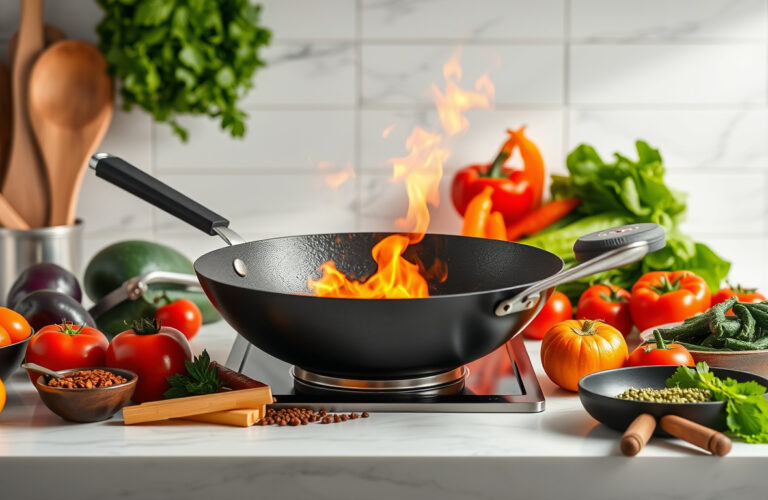
Why You Must Stop Using Plastic Utensils in a Hot Wok Immediately
Love quick wok cooking?
Stir-frying delivers amazing flavor.
It keeps your vegetables crunchy.
It locks in vital nutrients.
But wait.
Are you using plastic utensils?
If yes, you need to stop.
Your quick meal might be risky.
Using plastic in a hot wok is dangerous.
It threatens your health.
It ruins your food quality.
It harms our planet.
Discover why you should switch today.
Learn how to protect your family.
Get better stir-fry results instantly.
The Problem with Plastic Utensils on a Hot Wok
Plastic Breaks Down and Melts Under Heat
Plastic kitchen utensils are designed for light cooking tasks but do not withstand the intense heat generated when cooking with a wok, which can easily exceed 400°F (204°C). Upon contact with such high temperatures, plastic often melts, chips, or becomes brittle. This degradation leads to microscopic plastic particles, or microplastics, breaking off and mixing into your food.
Toxic Chemicals Released by Plastic
Scientific research shows that heating plastic utensils can cause the release of harmful chemicals and toxic byproducts. These include oligomers (residual chemicals from plastic manufacturing) and various dangerous additives used to enhance plastic properties—for instance, flame retardants, phthalates, and heavy metals. According to studies referenced by the German Federal Institute for Risk Assessment, consuming even tiny amounts of plastic particles poses potential health risks. Some black plastic utensils, often containing carcinogenic and neurotoxic substances such as brominated flame retardants and heavy metals like lead and mercury, are particularly hazardous.
Health Concerns Linked to Plastic Exposure
Long-term exposure to toxic chemicals from plastic can interfere with hormone systems, contribute to neurological and immune system damage, and possibly increase the risk of cancer and developmental disorders. Microplastic ingestion is an emerging concern with studies indicating that plastic cookware adds thousands of microplastic particles to the human diet each year. While the full extent of the health impact is still under investigation, the existing evidence encourages caution.
Environmental Impact of Plastic Utensils
Not only do plastic utensils threaten your health, but they also have adverse environmental consequences. Most black plastics evade recycling because their dark color makes them invisible to the infrared sensors used in sorting facilities, often ending up in landfills or waterways. Over time, they break down into microplastics that pollute oceans and enter the food chain, further complicating environmental and health challenges.
Safer Alternatives for Cooking with a Hot Wok
Invest in Durable, Heat-Resistant Utensils
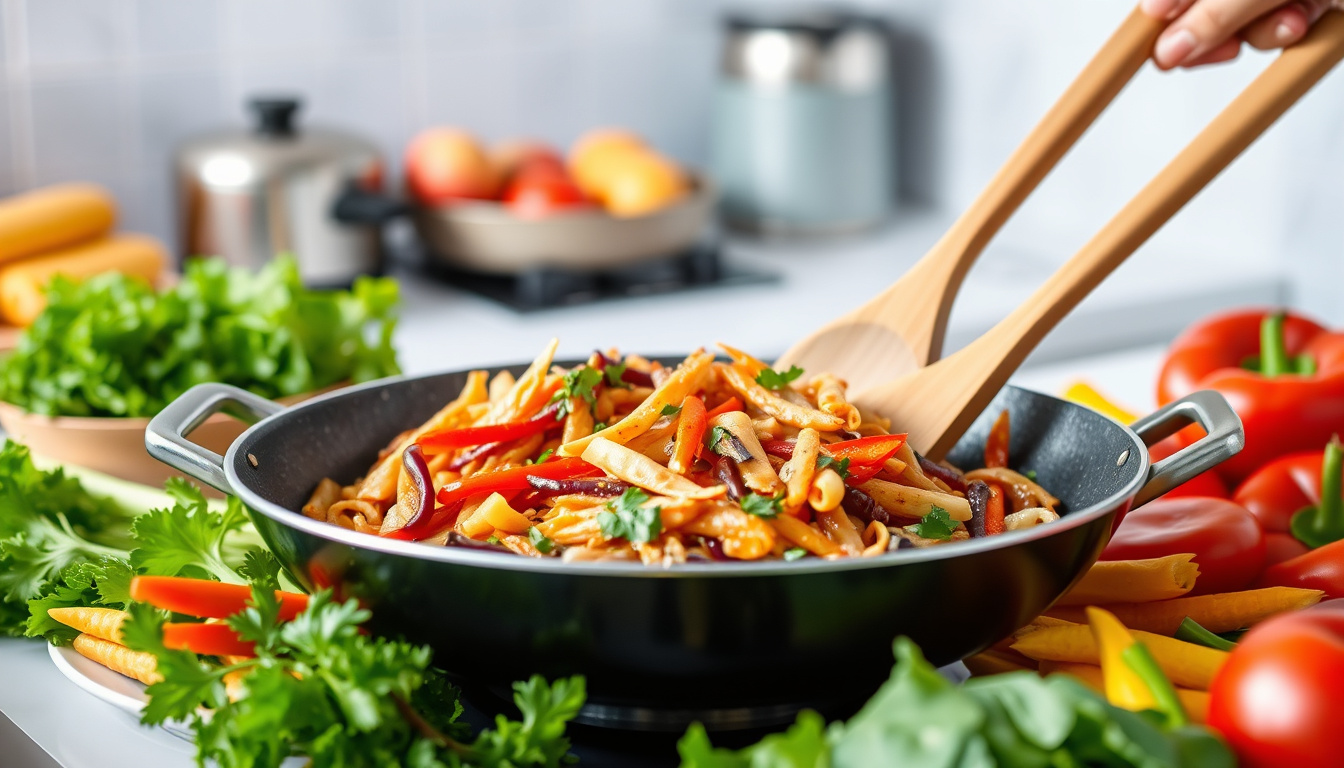
To protect your health and improve your cooking experience, switch to utensils made from heat-resistant materials such as stainless steel, titanium, or wood. These materials withstand high temperatures without degrading or leaching harmful substances. Metal tools, for instance, don’t melt or chip; they are durable and easy to clean, making them a cost-effective and safe choice in the long term.
Use Wooden or Bamboo Utensils
Wooden and bamboo utensils are natural alternatives that do not conduct heat and won’t release chemicals when exposed to high temperatures. They are gentle on non-stick and seasoned wok surfaces, preventing scratches that can degrade cookware. However, they may require more careful maintenance to avoid cracking and harboring bacteria.
Avoid Non-Stick Plastic-Coated Utensils
While some plastic utensils come with non-stick coatings, these coatings can also deteriorate under high heat and release toxic substances. Therefore, even if plastic appears sturdy, it’s safer to avoid it in high-temperature cooking scenarios like stir-frying in a wok.
Tips for Healthy and Safe Stir-Frying
- Preheat the wok moderately: Avoid overheating the wok—rapid temperature spikes can cause unexpected utensil damage and food burning.
- Choose appropriate utensils: Use wooden, bamboo, or metal utensils specifically designed for wok cooking.
- Avoid prolonged contact: Minimize how long utensils stay in contact with hot surfaces to reduce wear and chemical leaching.
- Regularly inspect utensils: Discard utensils that show signs of melting, cracking, or discoloration to avoid ingesting degraded plastic pieces.
- Maintain your wok: Properly season and clean your wok to ensure a non-stick surface, reducing the need for plastic spatulas.
Conclusion
When stir-frying with a hot wok, plastic utensils can no longer be considered safe or practical. They degrade under heat, releasing potentially harmful chemicals and microplastics into your food, posing serious health risks and environmental harm. Switching to metal, wooden, or bamboo utensils not only safeguards your well-being but also prolongs the life of your cookware and reduces waste. By ditching plastic tools in your kitchen, you embrace healthier cooking habits and contribute to a more sustainable future.
References for Further Reading
- German Federal Institute for Risk Assessment, 2019, “Polyamide Kitchen Utensils: Keep contact with hot food as brief as possible.”
- University of Plymouth, 2018, “Black plastics: Linear and circular economies, hazardous additives and marine pollution.”
- Journal of the Endocrine Society, 2018, “Chemicals Used in Plastic Materials: An Estimate of the Attributable Disease Burden and Costs in the United States.”
- Plymouth Marine Laboratory, 2024, “New study shows plastic and non-stick cookware is likely adding thousands of microplastics into the human diet.”
By choosing the right utensils today, you can enjoy safe, delicious stir-fries tomorrow—free from the hidden dangers of plastic.