Mandy Croft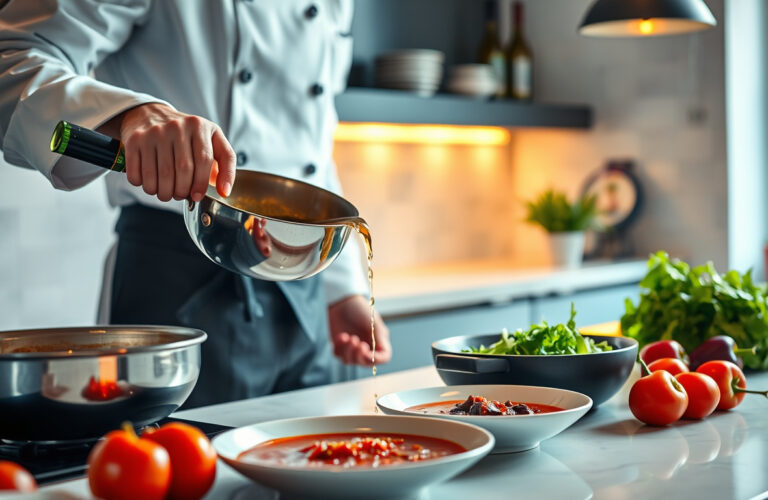
When it comes to cooking, few techniques elevate a dish from ordinary to exceptional quite like deglazing. This culinary process unlocks intense flavors and forms the foundation for luscious pan sauces. Whether you’re a seasoned chef or an eager home cook, mastering how to deglaze with broth or wine can transform your meals, adding depth, richness, and complexity.
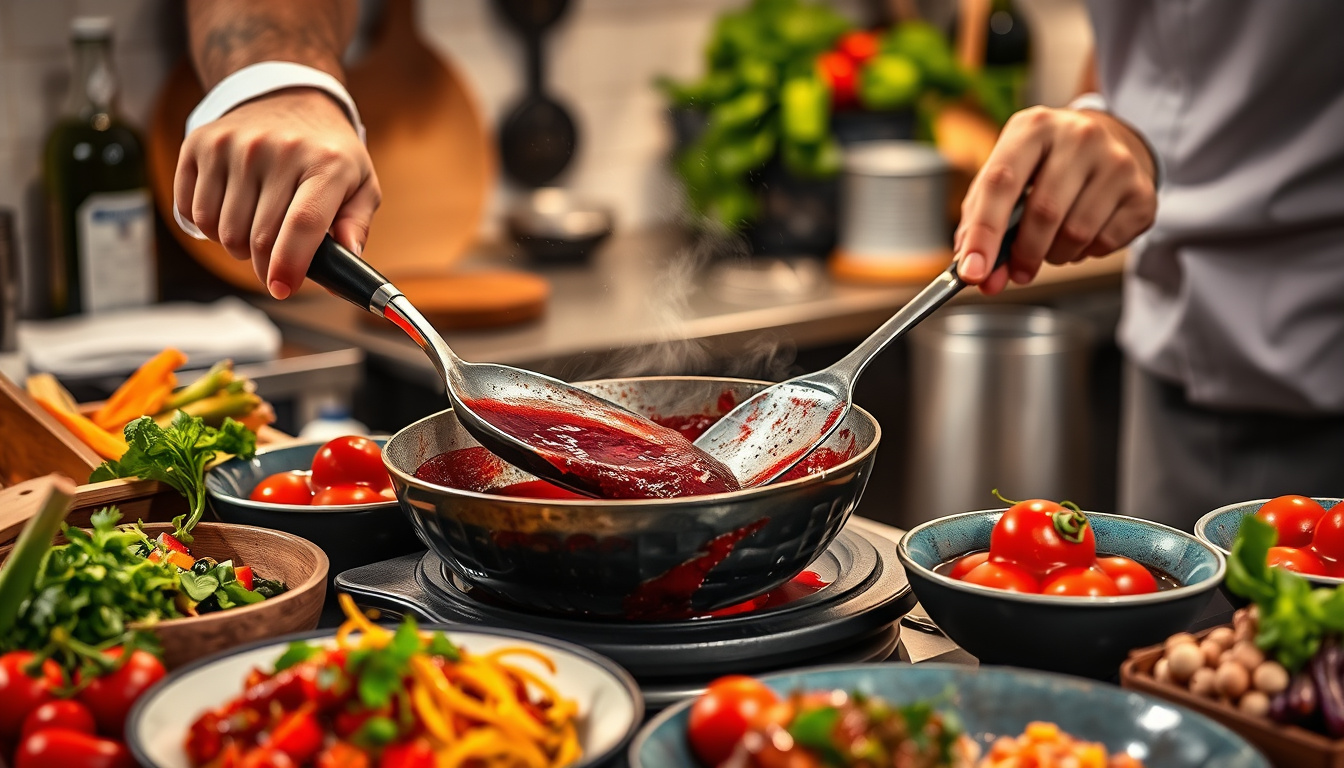
What is Deglazing?
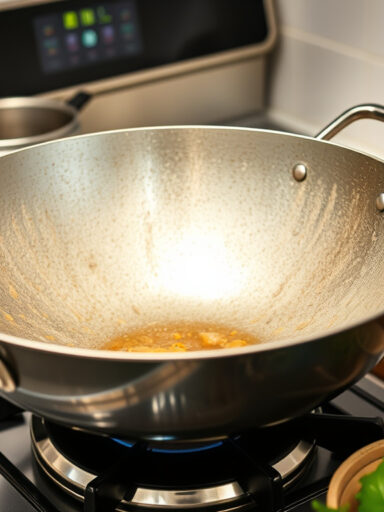
Deglazing is the technique of adding liquid to a hot pan after searing or sautéing food, to dissolve the browned bits—known as fond—that stick to the bottom. These caramelized fragments are little flavor bombs, housing concentrated taste from the Maillard reaction (the browning of proteins). When dissolved into a liquid like broth or wine, they create a savory base for sauces that beautifully complement meats, poultry, fish, or vegetables.
Why Use Broth or Wine to Deglaze?
Using Broth
Broth (chicken, beef, vegetable) brings natural umami and savory depth to your sauce without overpowering. It’s ideal when you want a mellow, comforting flavor profile. Broth also adds moisture, helping to loosen stuck bits gently, enhancing the dish’s heartiness.
Using Wine
Wine—red or white—adds acidity, complexity, and brightness to your sauce. The alcohol helps dissolve fond more effectively, while the wine’s own nuanced flavors infuse the sauce with fruitiness and subtle tang. Dry wines are generally preferred, with red wine pairing well with red meats and mushrooms, and white wine complementing poultry, seafood, and lighter dishes.
Step-by-Step Guide to Deglazing with Broth or Wine
-
Sear Your Protein
Heat a heavy-bottomed pan (avoid nonstick for this technique) over medium-high heat with fat (oil, butter, duck fat). Add your meat, fish, or tofu, ensuring not to overcrowd the pan to encourage browning, not steaming. Cook until a golden crust forms and then transfer the protein to rest. -
Sauté Aromatics
In the same pan, often with residual fat, sauté shallots, garlic, onions, or other aromatics until fragrant and slightly caramelized. This adds another layer of flavor complexity. -
Add the Liquid
Pour in a splash of your deglazing liquid—broth, wine, or a combination thereof—while the pan is hot. The liquid will bubble vigorously as it hits the pan, loosening all the delicious browned bits glued to the base. -
Scrape the Pan
Use a wooden spoon or stiff-edged spatula to gently scrape up the fond, suspending those intensely flavorful caramelized particles into the liquid. -
Reduce and Enrich
Allow the liquid to simmer briefly, reducing to concentrate flavors and thicken slightly. Remove the pan from heat and swirl in cold butter or cream for richness and a silky finish. Avoid adding these too early to prevent separation or “breaking” of the sauce. -
Season and Enhance
Taste your sauce carefully. Adjust seasoning with salt, pepper, or additional acid such as a squeeze of lemon or drizzle of vinegar to brighten the flavors further. Fresh herbs like thyme, tarragon, or parsley can also elevate the sauce with aromatic freshness.
Tips and Flavor Variations
- Broth and Wine Blends: Combine broth and wine in deglazing liquids for a balanced, nuanced sauce—wine for acidity and complexity, broth for umami and body.
- Add Aromatics Before Deglazing: Sauté garlic, shallots, pancetta, or ginger first to layer flavors.
- Classic Pairings:
- White wine + chicken broth + cream + thyme and lemon zest
- Red wine + beef broth + butter + black pepper and shallots
- Vermouth + vegetable broth + cream + tarragon
- Pan Choice Matters: A stainless steel or cast iron pan is best suited for proper fond formation and deglazing.
- Avoid Nonstick Pans: They don’t develop fond well and can’t withstand the high heat needed.
Why Deglazed Sauces Matter
Adding a quick pan sauce made by deglazing transforms simple seared proteins into elegant dishes full of rich, layered flavors without requiring hours of simmering. It’s a fundamental skill that turns everyday cooking into a gourmet experience, making your meals more satisfying and impressive.
Conclusion
Deglazing with broth or wine is a simple yet powerful technique that unlocks deep flavors and enriches your cooking. By understanding the nature of fond, choosing the right liquids, and mastering the timing, you can craft delicious pan sauces that elevate your dishes from good to extraordinary. So the next time you find yourself with a sticky pan full of caramelized bits, remember: you hold the key to flavor in your hand.
Whether you’re creating a rustic pan sauce with red wine and beef broth or a delicate white wine and chicken broth sauce finished with butter and fresh herbs, deglazing is your secret weapon for unlocking the essence of your food’s flavor. Embrace this technique, and watch your culinary creations flourish.