Mandy Croft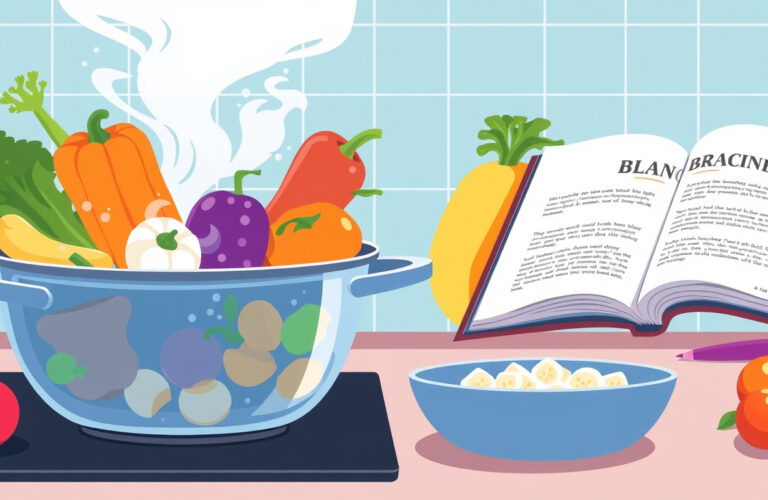
## Ultimate Guide to Blanching Vegetables for Food Preservation
Want to keep your garden harvest fresh for months?
Blanching vegetables is the secret to locking in flavor.
It preserves vibrant colors, crisp textures, and vital nutrients.
This essential technique stops the enzymes that cause spoilage.
It is a must-learn step before freezing or dehydrating food.
## Why You Should Blanch Your Produce
Blanching offers massive benefits for home cooks and gardeners:
What Does It Mean to Blanch Vegetables?
Blanching is the process of briefly cooking vegetables in boiling water or steam, then quickly cooling them in ice water. This quick heat treatment halts enzyme activity that causes spoilage and degradation during storage. The practice is especially important before freezing or drying, as it helps maintain the vegetable’s fresh qualities for months.
Why Blanch Vegetables?
1. Food Safety
Freezing, drying, or dehydrating vegetables alone does not kill bacteria or microorganisms present on raw produce. Blanching heats vegetables enough to kill many bacteria, molds, and yeasts that could cause spoilage or foodborne illness. Since freezing only halts bacterial growth temporarily, blanching provides a safer product.
2. Preservation of Quality
Raw vegetables contain natural enzymes that continue to work even after harvesting. These enzymes break down the produce’s color, texture, and flavor over time. Blanching deactivates these enzymes, ensuring vegetables retain their vibrant color, crispness, and nutritional content, especially vitamin C.
3. Improved Texture and Flavor
By stopping enzyme activity and softening cell walls just enough, blanching helps vegetables retain a pleasing texture and flavor after being cooked or preserved. Overblanching, however, can make vegetables mushy and diminish nutrient content, so timing is key.
When Is Blanching Not Necessary?
Certain vegetables generally do not require blanching before freezing or drying, including:
- Diced or cut onions
- Green onions
- Leeks
- Peppers
These vegetables do not have enzyme activity or bacterial risks that blanching addresses, so you can safely preserve them without this step.
How to Blanch Vegetables Properly
1. Prepare Vegetables
- Wash thoroughly to remove dirt and contaminants.
- Peel, trim, and cut vegetables to your desired size.
- Use safe food handling practices to prevent cross-contamination.
2. Choose a Blanching Method: Boiling Water or Steam
Boiling Water Blanching
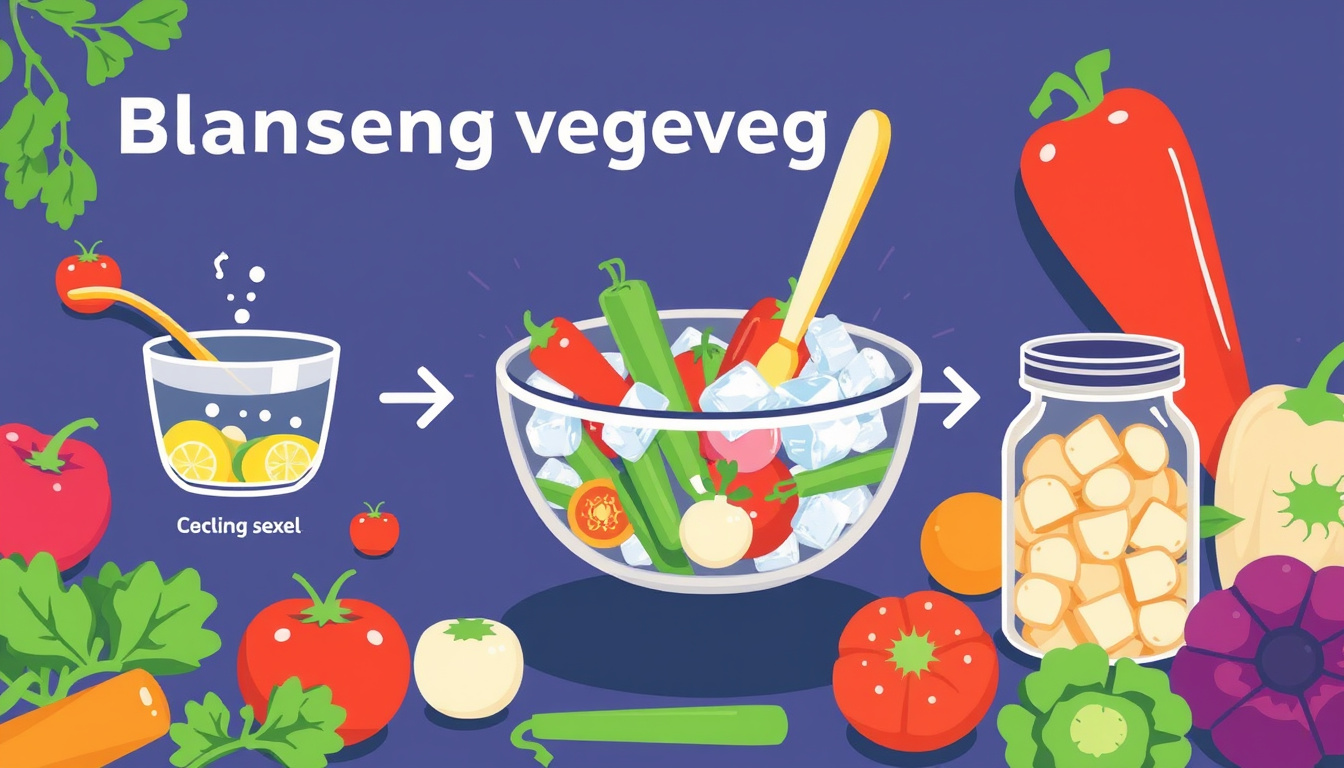
- Use about 1 gallon of water per pound of vegetables (or 2 gallons for leafy greens).
- Bring the water to a rapid boil in a large pot.
- Add vegetables, ensuring the water returns to a boil within 1 minute.
- Cover and blanch for the recommended time.
- Remove immediately and cool in an ice water bath.
Steam Blanching
- Fill a pot with a few inches of water, ensuring it won’t touch the vegetable basket placed above.
- Bring water to boiling.
- Place vegetables in a single layer in a wire basket 3+ inches above the water.
- Cover and steam for the recommended time (typically 1.5 times the boiling water blanch time).
- Remove and cool quickly.
Note: Microwave blanching is not recommended due to uneven heating.
3. Cooling
Immediately after blanching, cool vegetables in ice water to stop the cooking process and preserve texture and color. Stir to quickly transfer heat away. Drain thoroughly and dry completely before preserving.
Recommended Blanching Times for Common Vegetables
| Vegetable | Boiling Water (minutes) | Steam (minutes) |
|---|---|---|
| Asparagus (small stalk) | 2 | 3 |
| Beans (snap, green) | 3 | 5 |
| Broccoli (1.5-inch florets) | 3 | 5 |
| Carrots (sliced) | 2 | 3 |
| Cauliflower (1-inch florets) | 3 | 5 |
| Corn on the cob (small ears) | 7 | 10 |
| Peas (green) | 1.5–2.5 | 3–5 |
| Peppers (sweet halves) | 3 | 5 |
| Spinach (greens) | 2 | 3 |
| Zucchini (summer squash) | 3 | 5 |
Always refer to specific guidelines for each vegetable to avoid under- or over-blanching.
Tips for Best Results
- Blanch only fresh, ripe vegetables at their peak.
- Don’t overcrowd the pot; cook in small batches for even blanching.
- Replace water after each batch to reduce risk of cross-contamination.
- Avoid overblanching to preserve nutrients and texture.
- Use clean equipment and wear gloves if needed to maintain food safety.
Blanching and Recipes: Perfect for Preserving Flavor
Blanched vegetables can be used directly after cooling for recipes like stir-fries, casseroles, vegetable medleys, and soups. Blanching helps shorten cooking times since you are partially pre-cooking the produce while locking in nutrients and vibrant colors.
Conclusion
Blanching is an essential technique in vegetable preservation that enhances both safety and quality. Mastering optimal blanching time and method allows you to enjoy the best flavor, texture, and nutrition from your garden or market produce throughout the year. Whether freezing your harvest or dehydrating for long-term storage, blanch vegetables if needed to maximize their shelf life and deliciousness.
References:
- University of Minnesota Extension, “Preserving food at home: Blanching vegetables”
- National Center for Home Food Preservation
- University of Georgia Cooperative Extension, So Easy to Preserve
With this knowledge, you’re ready to blanch vegetables confidently and enjoy your preserved bounty all year long!