Mandy Croft
Cooking protein is often the essential step that defines the success of any meal. Whether it’s a sizzling steak, tender chicken breast, or flaky fish fillet, the way protein is prepared can make the difference between a bland dish and a culinary masterpiece. One key principle many chefs and home cooks follow is to cook protein first. This strategy unlocks depth of flavor, ensures proper texture, and sets a solid foundation for the rest of your meal. Here’s why and how you should prioritize cooking protein first every time you hit the kitchen.
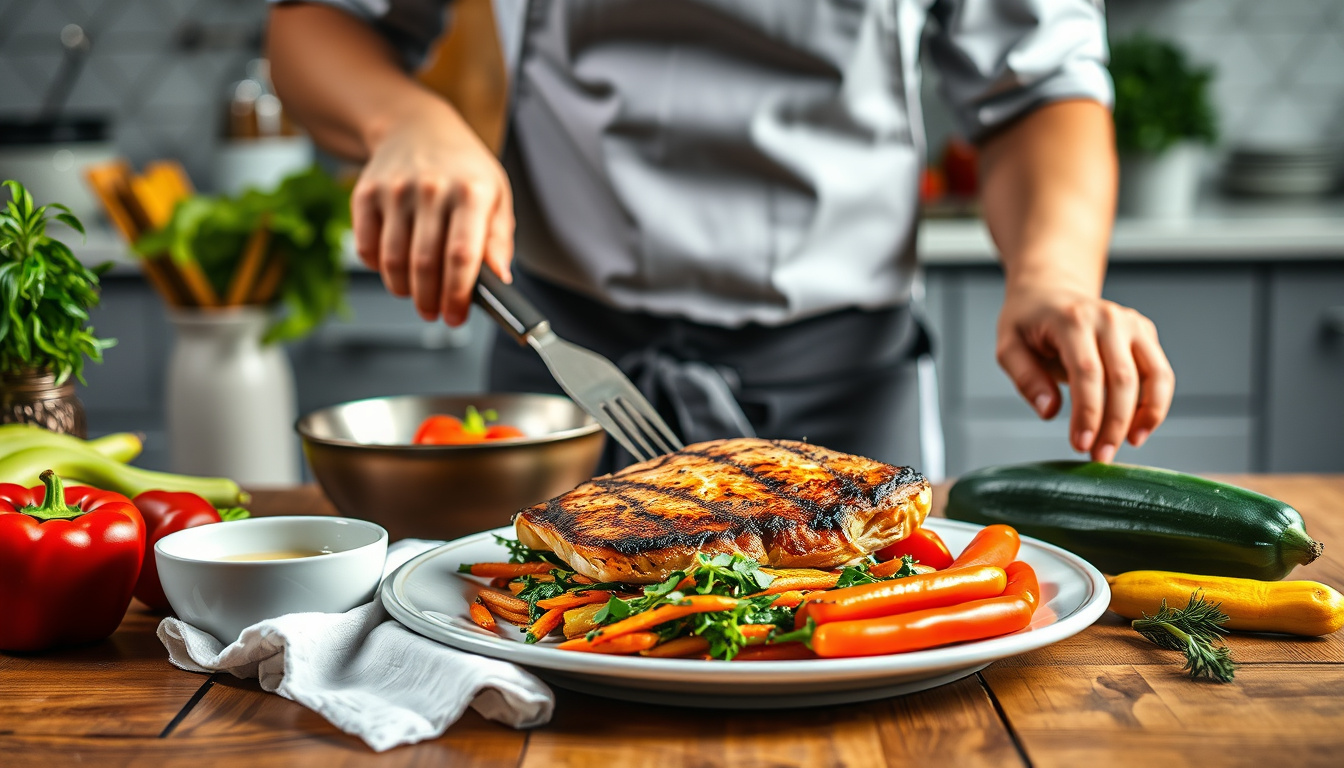
The Science Behind Cooking Protein First
The Maillard Reaction: Flavor and Aroma Magic
When you cook protein first—especially by methods like searing or browning in a hot pan—you spark the Maillard reaction. This natural chemical process occurs when the amino acids in proteins react with sugars under heat, creating the complex flavors and aromas that give browned meat its irresistible taste and rich color.
For the Maillard reaction to happen well, proteins need to have a dry surface and be exposed to high, even heat. Cooking proteins first allows these conditions to be met before introducing other ingredients that might release moisture, such as vegetables or sauces. This results in a crisp, caramelized crust that locks in the juices and enhances the overall mouthfeel and flavor of the finished dish.
Practical Benefits of Cooking Protein First
1. Flavor Foundation and Browning
Cooking protein first creates flavorful fond—the brown bits that stick to the pan. These bits contain concentrated taste and can be deglazed with liquids like broth, wine, or sauces to create rich pan sauces that elevate the entire meal.
Starting protein cooking in a hot pan, often using a heavy skillet like cast iron, ensures:
- A beautifully caramelized crust
- Retention of natural juices
- A savory base for sauces and side dishes
2. Temperature Control and Even Cooking
Proteins, especially thick cuts, benefit from focused attention first. Beginning the cook on protein ensures you manage heat precisely, preventing overcooking or undercooking. For instance, pan-searing chicken breasts on medium-high heat before adding vegetables stops the chicken from drying out and ensures it cooks evenly.
3. Efficient Cooking Workflow
By cooking protein first, you can:
- Rest meat properly while you prepare other meal components. Resting allows juices to redistribute, resulting in juicier, tastier bites.
- Utilize the same pan to cook vegetables or make pan sauces, reducing cleanup and intensifying flavor by building layers from the fond.
How to Cook Protein First Like a Pro
Essential Techniques
- Browning: Sear your protein in a hot pan with minimal oil to develop an even, golden crust.
- Butterflying: For thicker cuts like pork tenderloin, butterfly (slice horizontally and flatten) the meat for quicker and more even cooking.
- Shallow Frying: Use enough oil to create a crispy crust without deep-frying. Maintain hot oil to seal surfaces and prevent greasiness.
Preparation Tips Before Cooking
- Bring protein closer to room temperature before cooking for even heat penetration.
- Pat protein dry to avoid steaming and to encourage browning.
- Season simply with salt or your favorite spices to enhance natural flavors.
- Use a heavy-bottomed skillet (cast iron or stainless steel) to distribute heat evenly.
- Avoid overcrowding the pan to retain heat and promote browning.
Matching Cooking Methods to Protein Types
- Tender cuts like ribeye, pork loin, or chicken breast benefit from searing, pan-roasting, or grilling—methods that favor quick, high heat.
- Tougher cuts such as brisket or chuck work best with slow cooking techniques like braising but can still start with a sear to lock in flavor.
- Poultry requires moderate heat control to yield juicy interiors with golden skin; pan-searing followed by oven roasting is ideal.
- Ground meats need even heat and gentle handling for moistness and texture integrity.
Cooking Protein First in Your Meal Prep
Incorporate protein-first cooking into your meal routine by:
- Starting with high heat searing to brown and lock flavor.
- Removing and resting the protein while you cook vegetables or carbohydrates in the same pan, using the fond for added flavor.
- Finishing protein in the oven if thickness requires gentle heat to cook through after searing.
- Creating quick pan sauces from deglazed fond to finish the dish beautifully.
Conclusion
Cooking protein first isn’t just a culinary tradition—it’s a strategic step that ensures your meals are flavorful, well-textured, and kitchen-efficient. By mastering this approach and understanding the underlying science, home cooks can elevate everyday dishes to restaurant-quality experiences. The next time you prepare a meal, remember: start with the protein to unlock deeper flavors and perfect results every time!
Ready to take your cooking to the next level? Focus on your protein first, follow the essential techniques, and watch as your meals become more delicious, impressive, and satisfying with every bite.