Mandy Croft
## Why the Timing of Vinegar Matters
Vinegar is a magic ingredient.
It elevates flat flavors.
It balances heavy tastes.
It makes proteins tender.
It even preserves food.
But if you add it too early, you lose the magic.
High heat destroys its bright acidity.
Cooked too long, it can turn bitter.
Adding vinegar last fixes this problem completely.
The Chemistry of Vinegar and Its Impact on Flavor
Vinegar is essentially an acidic solution dominated by acetic acid, typically ranging from 4% to 8% concentration. The acidity is responsible not only for its signature tang but also for its multifaceted role in cooking and preservation.
- Acidic Balance: The acidity cuts through heavy fats and rich flavors to deliver balance. For example, a splash of vinegar can lighten a creamy sauce by offsetting the fat’s heaviness.
- Flavor Unlocking: Acidic environments help release flavor compounds within foods, allowing complex aromas and tastes to shine.
- Tenderizing: Vinegar breaks down protein structures, making meats more tender and palatable when used carefully in marinades.
- Umami Enhancement: Beyond just acidity, vinegar can intensify savory tastes, especially in foods rich in umami like tomatoes or mushrooms.
- Bitterness Reduction: A small amount of vinegar can counteract and soften bitterness inherent in certain greens, coffee notes, or some vegetables.
Why Add Vinegar Last?
While vinegar is an enhancer, the timing of when you add it is crucial to preserving its benefits and avoiding bitterness.
1. Preserving Brightness and Preventing Bitterness
Heat can change vinegar’s chemical properties. Cooking vinegar too early or for too long can cause its sharp, fresh acidity to mellow in an undesirable way, sometimes leading to bitter or off flavors. Adding vinegar last — typically just before serving or at the end of cooking — ensures you retain its bright, tangy notes that enliven the dish without introducing harshness.
2. Maintaining Balanced Acidity
Adding vinegar at the end allows for precise control over the acidity level. If added too early, the flavor can intensify excessively or diminish unpredictably during simmering or braising, making it hard to balance with the other components like sweetness, saltiness, and umami.
3. Protecting Delicate Flavors
Certain vinegars, like white vinegar, have very sharp, borderline astringent qualities that can become overwhelming if exposed to prolonged cooking. Adding these vinegars last prevents them from dominating and keeps the dish harmonious.
4. Optimizing Vinegar Type for Finishing
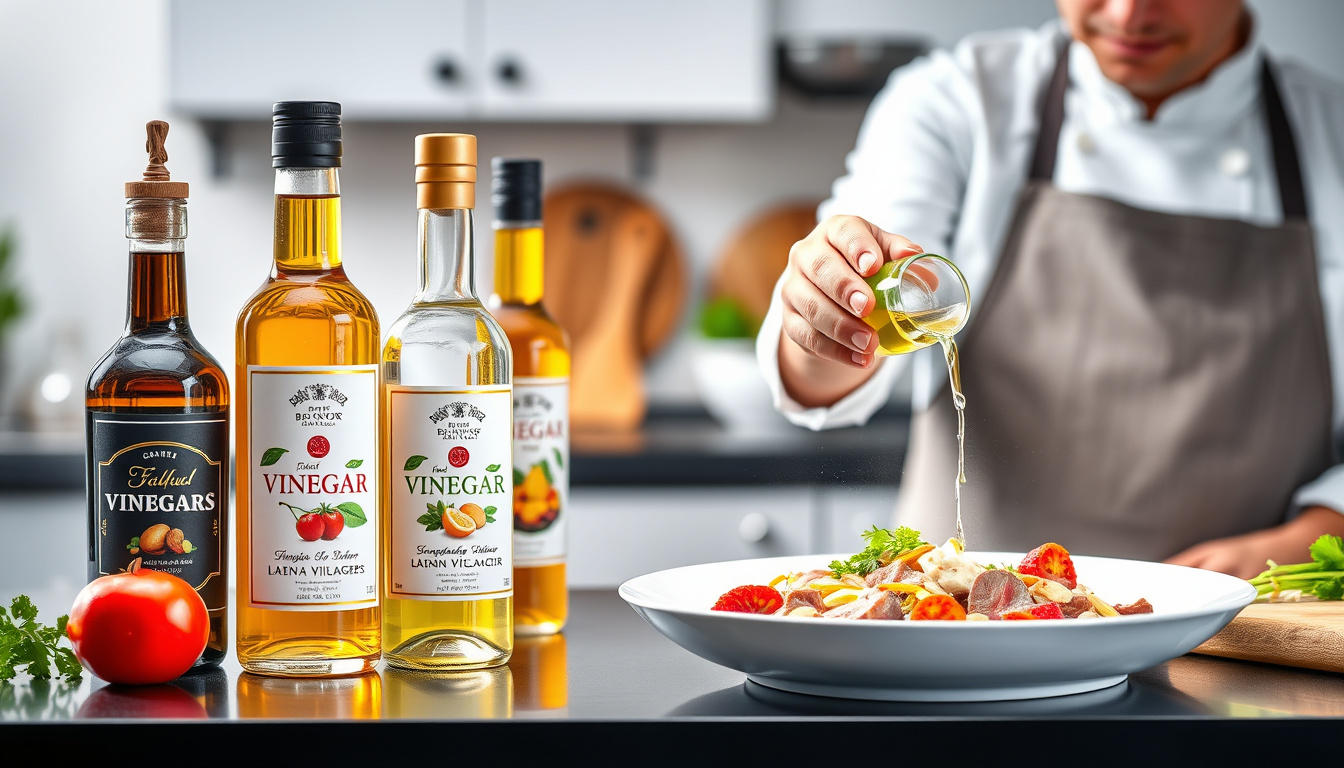
Not all vinegars are created equal for finishing dishes:
- White Vinegar: Best for pickling and adding acidity during cooking but too harsh for finishing.
- White Wine Vinegar: Milder and appropriate for nearly any finish.
- Red Wine Vinegar: Great for vegetables and salad dressings.
- Apple Cider Vinegar: Complements meat dishes and stews when added at the end.
- Balsamic Vinegar: Adds complexity but with a distinct flavor that needs consideration in finishing.
Choosing the right vinegar and adding it last maximizes flavor without overpowering.
Practical Tips for Using Vinegar in Cooking
- Taste as You Go: Add vinegar gradually at the end to avoid over-acidification.
- Balance Bitterness: If a dish tastes bitter (common with certain greens or overcooked vegetables), a splash of vinegar can round off that edge.
- Use Vinegar to Brighten Stews and Sauces: A dash at the end can lift deep, slow-cooked flavors.
- Avoid Overcooking Vinegar: Save strong or delicate vinegar finishes for plating or the final minutes of cooking.
Additional Benefits of Vinegar in Food Preparation
Besides flavor enhancement, vinegar is a natural preservative. Its acidity inhibits microbial growth, helps keep pickled vegetables crisp, and delays browning in fruits and veggies. These properties make it invaluable not only in flavoring but also in extending the shelf-life and safety of foods.
Conclusion
Adding vinegar last during cooking is more than a culinary tradition — it’s a science-backed method to ensure your dishes deliver bright, balanced, and harmonious flavors without bitterness. By understanding the chemistry of vinegar and respecting its delicate impact on food, you can transform your recipes with just a splash at the right moment. Whether brightening a salad, tenderizing meat, or countering bitterness, vinegar is a powerful ally when used thoughtfully at the end of your cooking process.
So next time you reach for the vinegar, remember: a little patience and timing can unlock a whole new flavor dimension in your kitchen.