Mandy Croft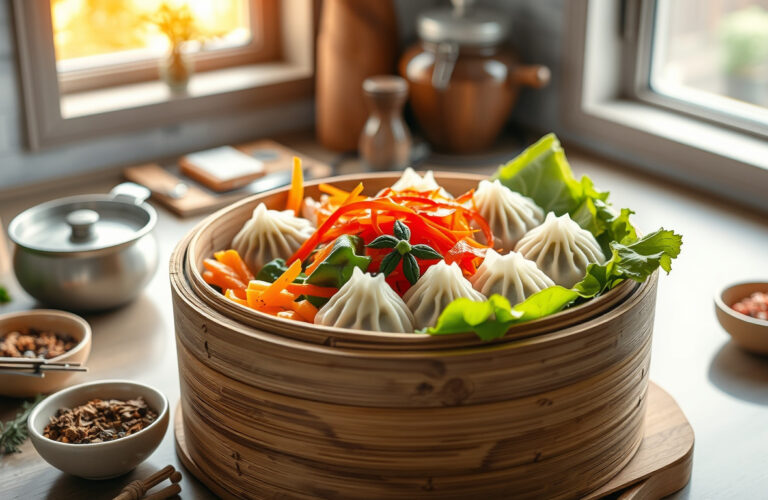
Steaming is one of the healthiest and most versatile cooking methods, preserving the natural flavors, nutrients, and textures of food without the addition of oil or harsh heat. Among various steaming tools, the bamboo steamer insert stands out for its traditional design, ease of use, and ability to cook multiple foods simultaneously. This guide will walk you through the essentials of using a bamboo steamer insert, offering tips for flawless results every time.
What is a Bamboo Steamer Insert?
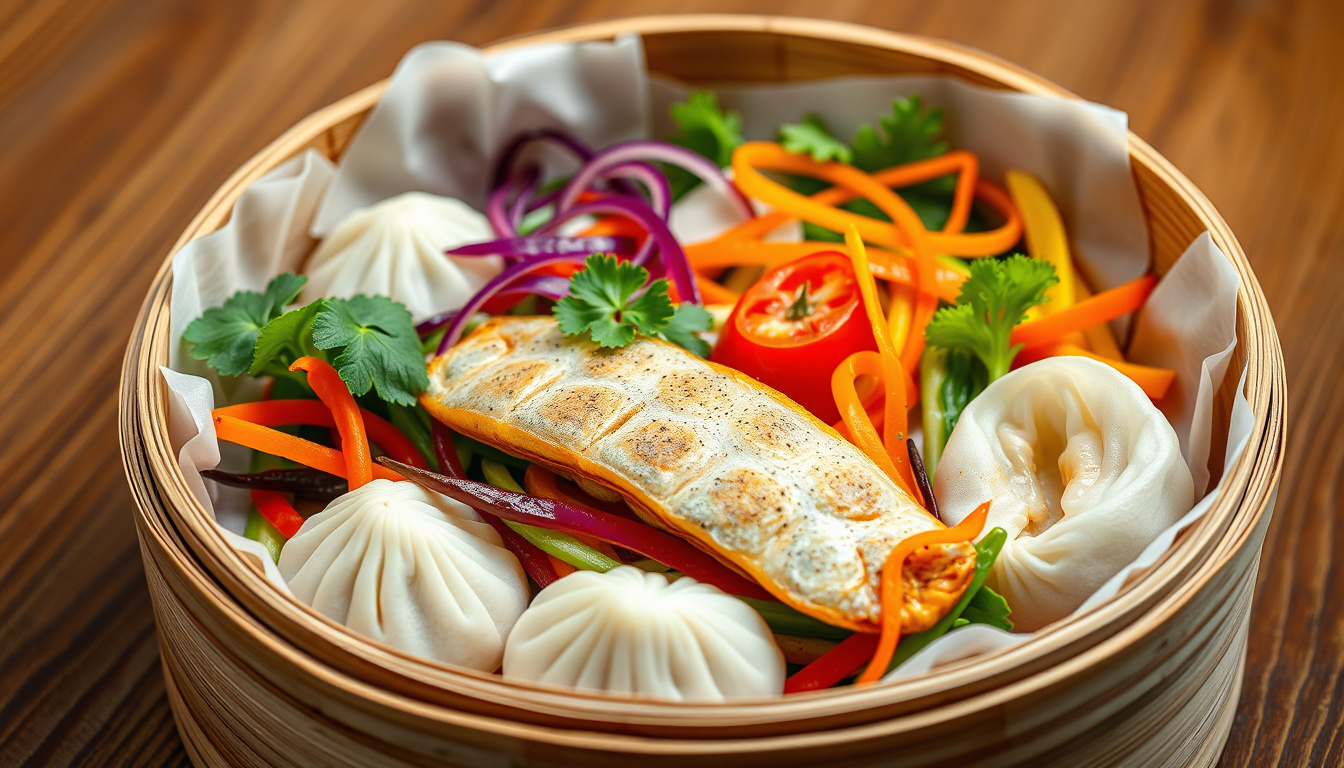
A bamboo steamer insert is a stackable, circular basket made from woven bamboo strips. It is designed to sit atop a pot or wok filled with simmering water, allowing steam to gently cook food inside the bamboo trays. The natural bamboo material absorbs excess moisture, preventing sogginess and infusing a subtle woody aroma into your dishes.
Multi-tiered bamboo steamers allow cooking several types of food at once, making them efficient for preparing entire meals, from dumplings and vegetables to fish and poultry.
Step-by-Step Guide to Using a Bamboo Steamer Insert
1. Choose the Right Pot or Wok
Select a pot or wok wide enough to hold your bamboo steamer securely on its rim without the steamer touching the water. The pot should be deep enough to hold about 2 inches (5 cm) of water beneath the steamer basket.
2. Prepare the Water
Fill the pot with water to about 2 inches but ensure it does not touch the base of the bamboo basket when placed on top. Bring the water to a gentle simmer — boiling vigorously is not necessary and may cause uneven cooking.
3. Line the Steamer (Optional but Recommended)
Lining your bamboo steamer trays keeps your food from sticking to the bamboo and simplifies cleanup. You have several options:
- Parchment paper: Cut to fit the basket’s base, and poke small holes to allow steam circulation.
- Lettuce or cabbage leaves: Natural liners that impart a subtle flavor and help prevent sticking.
- Silicone steamer liners: Reusable and easy to clean alternatives.
4. Arrange the Food
Place food items in a single layer inside the steamer basket. Leave space between pieces so the steam circulates freely for even cooking. Overcrowding can lead to soggy or unevenly cooked dishes.
5. Stack Steamer Layers If Needed
If you want to steam different foods simultaneously, stack the bamboo inserts. Place foods with longer cooking times on the bottom tier and quicker-cooking foods on top to manage timing efficiently.
6. Position the Steamer on the Pot
Once the water simmers, carefully set the bamboo steamer onto the pot or wok rim. Make sure it fits snugly to trap the steam within the baskets.
7. Steam the Food
Cover the steamer with its bamboo lid. Steaming times vary based on the ingredients:
- Dumplings: 10–15 minutes
- Vegetables: 5–10 minutes
- Fish: 8–12 minutes
Periodically check the water level to add more boiling water if necessary, ensuring the pot doesn’t dry out.
8. Remove and Serve
Use tongs or a towel to carefully lift the hot bamboo steamer off the pot, mindful of escaping steam to avoid burns. Serve the steamed dishes directly from the bamboo tray for an authentic presentation or transfer to plates.
Pro Tips for Using Bamboo Steamer Inserts
-
Add Aromatics to the Water: Infuse subtle flavors into your food by adding lemon slices, fresh herbs, wine, or sake to the simmering water.
-
Practice Layer Management: Place foods needing the longest cooking times on the bottom tier, faster-cooking foods on top to synchronize finishing times.
-
Use Multiple Tiers for Efficiency: Take advantage of the stackable design to prepare entire meals in one process, saving time and energy.
-
Maintain Your Steamer: After use, rinse your bamboo steamer with warm water (avoid soap) and air dry completely to prevent mold and prolong its lifespan.
Delicious Ideas to Get Started
Using a bamboo steamer insert opens up a world of easy and healthy recipes:
- Steamed Dumplings: Soft, juicy dumplings with perfectly cooked wrappers.
- Vegetables: Crisp-tender asparagus, green beans, or bok choy retaining vibrant color and nutrients.
- Fish Fillets: Moist, flaky fish infused with delicate steam flavors.
- Chicken with Ginger and Scallions: A classic dish highlighting natural meat sweetness and aromatic freshness.
Conclusion
Mastering the use of a bamboo steamer insert is a rewarding skill that elevates your cooking with minimal effort. This traditional tool delivers healthful, vibrant meals through gentle steaming that preserves food’s natural essence. Whether you’re preparing a batch of dumplings, succulent fish, or fresh vegetables, following these guidelines ensures your steamed dishes come out perfectly every time.
Embrace the simplicity and effectiveness of bamboo steaming—it’s a culinary art worth perfecting in every kitchen.
Happy Steaming!