Mandy Croft
Mastering Flavor Balance: The Art of Using Sweetness
Balancing flavors is a critical culinary skill. It transforms a simple meal into an unforgettable dining experience.
Among the five primary tastes—sweet, salty, sour, bitter, and umami—sweetness plays a unique, versatile role.
When used thoughtfully, sweetness acts as a powerful tool to:
Enhance natural flavors in ingredients.
Soften harsh or intense notes.
Counteract acidity or bitterness.
In this article, we will explore how to use sugar and sweeteners to achieve perfect harmony in your cooking.
Follow these insights to master your craft and create dishes that truly delight the palate.
Understanding Flavor Balance: The Science and the Art
Flavor balance is both scientific and artistic. The science involves understanding how each taste element interacts, while the art lies in adjusting these elements intuitively to suit a dish and personal taste preferences.
Sweetness primarily counters sour and bitter notes and can mellow out spicy heat. For example, a dash of sugar in a tangy tomato sauce moderates acidity, while a touch of honey in a bitter green salad can soften the edges. Salt enhances sweetness and cuts bitterness, highlighting the intricate dance between these tastes. Achieving harmony requires tasting as you cook and fine-tuning ingredients accordingly.
The Role of Sugar and Sweeteners
Sugar is more than just a sweetening agent. It can act as:
- A flavor balancer: Soothes sour, bitter, or spicy components.
- A textural element: Provides bulk and mouthfeel in baked goods or raw recipes (e.g., dried fruits adding body).
- A binding agent: Helps hold ingredients together in certain dishes like raw bars or desserts.
- A flavor enhancer: Certain sugars bring subtle nuances from caramel to molasses.
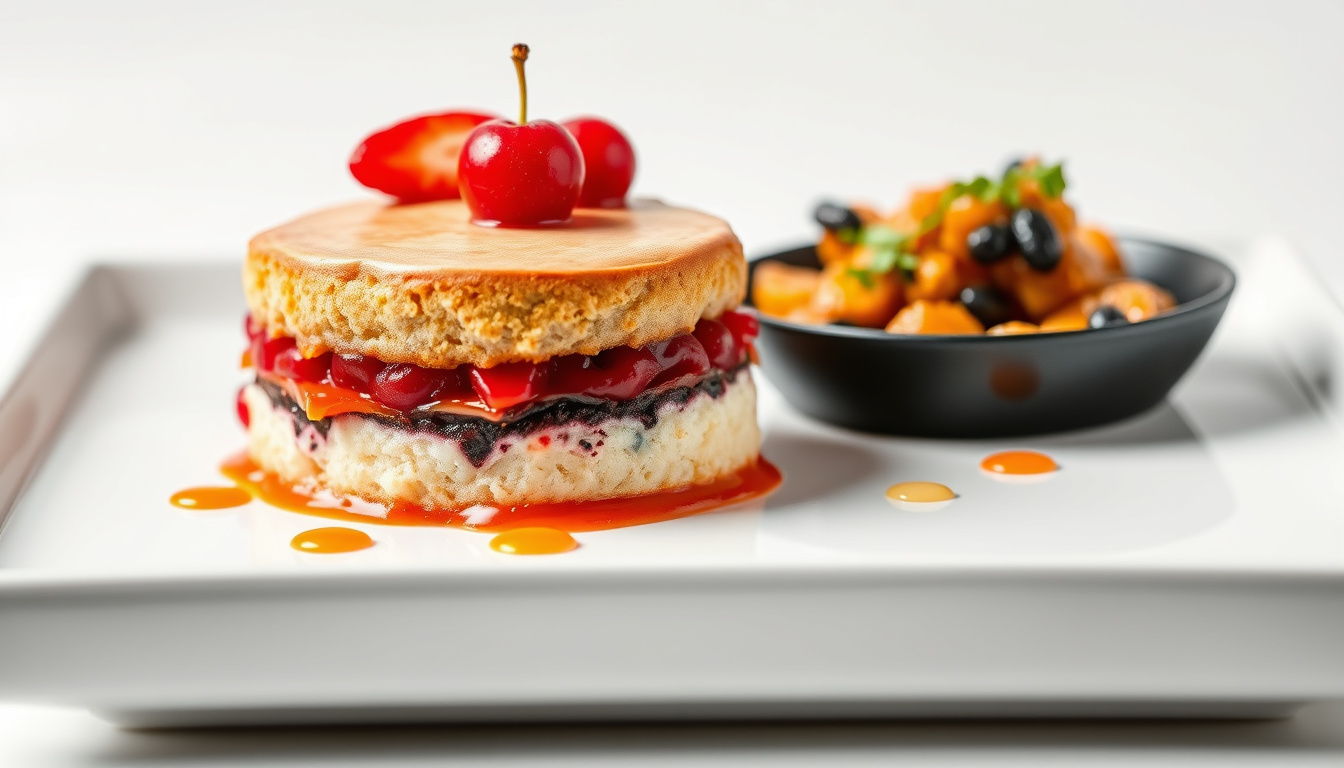
Types of Sweeteners and Their Uses
Choosing the appropriate sweetener depends on the dish and desired outcome:
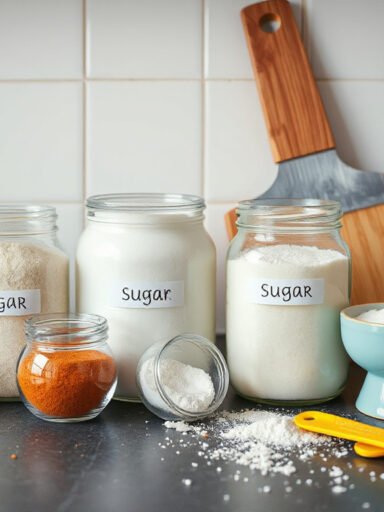
- Granulated sugar and brown sugar: Classic sweeteners for most cooking and baking.
- Honey and maple syrup: Liquid sweeteners that add moisture and distinctive flavor notes.
- Stevia and other natural zero-calorie sweeteners: Useful for adding sweetness without extra sugar but require cautious dosing due to intense sweetness.
- Dried fruits: Concentrated natural sugars that provide both sweetness and texture, especially in raw or health-focused recipes.
When using natural sweeteners, consider both their flavor profile and how they might change texture or moisture content.
Tips for Balancing Sweetness in Your Dishes
- Add sugar gradually: It’s easier to add more sugar than to fix an overly sweet dish.
- Taste continuously: Palate fatigue can mask imbalances; cleanse your palate between tastings to stay objective.
- Complement with acidity: Lemon juice, vinegar, or other sour elements brighten dishes and offset excessive sweetness.
- Use salt wisely: Even a pinch of salt can amplify sweetness and reduce perceived bitterness.
- Incorporate bitterness or spice: Elements like bitter greens, dark chocolate, or chili can add depth and contrast to sweet dishes.
- Adjust volume when needed: If too much sugar makes a sauce or soup overly sweet, try diluting it with unsweetened liquids or doubling the recipe without additional sugar to balance flavors.
What to Do If Your Dish is Too Sweet
If a recipe veers on the side of too much sweetness, several strategies can help rescue it:
- Introduce acidity: A squeeze of fresh lemon juice or a mild vinegar can cut through the sweetness.
- Add salt or umami: These flavors can neutralize sweetness and add complexity.
- Incorporate bitterness or spiciness: A touch of bitter greens, coffee, cacao nibs, or chili can counterbalance sugar’s dominance.
- Dilution: Add more unsweetened base ingredients, like broth or vegetables, to reduce overall sugar concentration.
Common Pitfalls and How to Avoid Them
- Over-reliance on table salt: Not all salts are equal. For example, kosher and sea salts are less intense than fine table salt and may require adjustments in quantity.
- Ignoring ingredient variability: Natural ingredients such as fruits, spices, and sweeteners can vary in sweetness or bitterness. Always taste before adding.
- Adding all sugar at once: Incorporate sweeteners gradually, building to your ideal flavor balance.
- Neglecting texture changes: In raw or baking recipes, reducing sugar might affect structure—compensate by adjusting other binding or moisturizing ingredients.
Conclusion
Perfectly balancing sweetness with sugar is both a science and a personal artform. Understanding how sweetness interacts with other key flavors—especially salt, sourness, and bitterness—enables you to refine your dishes to a harmonious whole. With consistent tasting, adjustment, and awareness of the types of sugars and their culinary roles, you can masterfully enhance your cooking and captivate taste buds with dishes that taste balanced, layered, and deeply satisfying.
Mastering the balance of sweetness in your cuisine will unlock endless possibilities, from refined desserts to well-rounded savory meals, making your cooking truly unforgettable.