Mandy Croft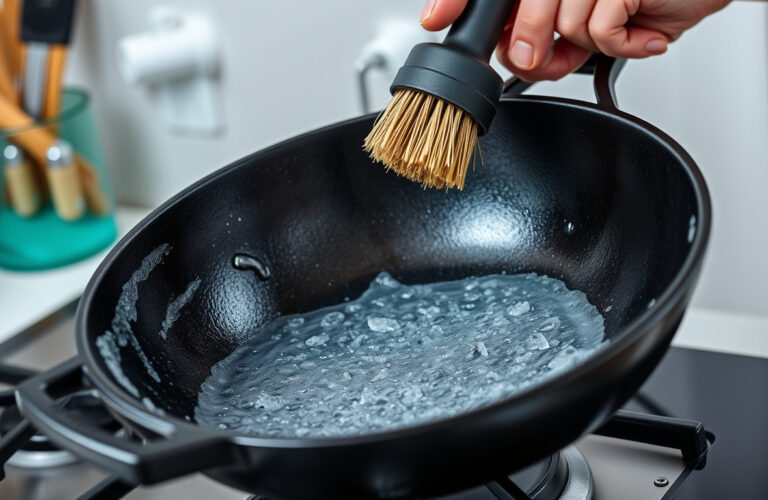
A cast iron wok is a prized kitchen tool prized for its heat retention, durability, and ability to develop a natural non-stick patina over time. Proper maintenance is key to ensuring its longevity and performance, and cleaning plays a critical role in this process. While many cleaning methods exist, using a wire brush can be an effective and eco-friendly way to care for your cast iron wok—if done correctly. This article will guide you through the best practices for using a wire brush to clean your cast iron wok without damaging its seasoning or integrity.
Why Clean a Cast Iron Wok Properly?
Cast iron cookware, including woks, builds up layers of seasoning—a polymerized layer of oils baked into its surface. This seasoning provides natural non-stick properties and protects the pan from rust. Harsh cleaning methods, such as using soap or abrasive scrubbers, can strip this seasoning, leading to rust and uneven cooking surfaces.
Your goal when cleaning is to remove food residue, carbon build-up, and grease without damaging the seasoning layer. A wire brush, when used properly, can help you achieve this balance.
Choosing the Right Wire Brush
Not all wire brushes are created equal. For your cast iron wok:
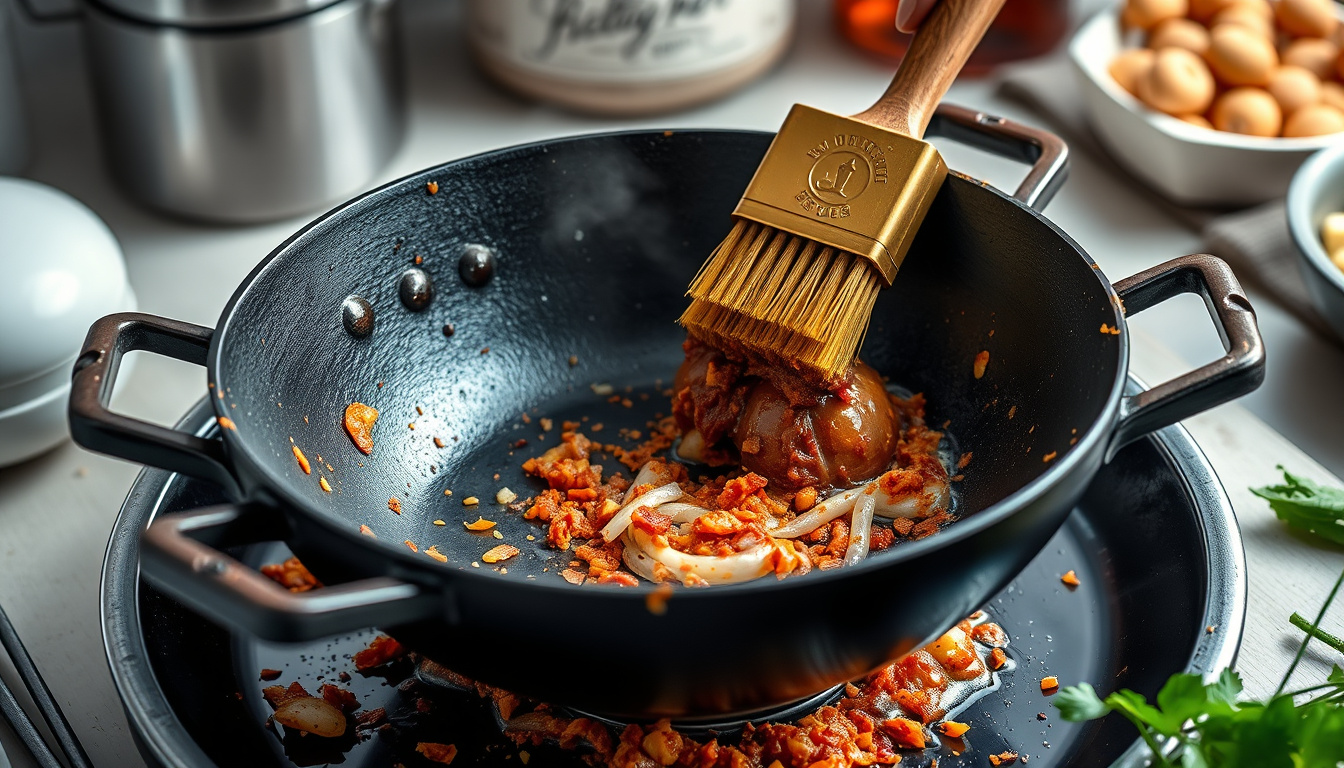
- Opt for a Brass Wire Brush: Brass brushes are softer than steel and less likely to scratch or damage the seasoning.
- Avoid Stainless Steel or Steel Wire Brushes: These are more abrasive and risk scratching the cast iron surface, possibly damaging the seasoning and exposing raw iron.
- Wok-Specific Wire Brushes: Some companies produce brushes specifically designed for woks and carbon steel pans. These typically combine effective scrubbing power with gentleness to preserve the wok’s surface.
How to Use a Wire Brush on Your Cast Iron Wok
- Let the Wok Cool Slightly: Clean your wok when it is warm but not hot to avoid burns and allow the seasoning to breathe.
- Rinse with Warm Water: Start by rinsing the wok with warm water to loosen stuck-on food. Avoid soap unless absolutely necessary.
- Scrub with the Wire Brush: Hold the brush firmly and scrub the cooking surface using gentle but deliberate strokes. Focus on areas with stubborn residue, but avoid overly aggressive scrubbing.
- Rinse and Inspect: After brushing, rinse the wok again to remove loosened debris. Check if any food particles or burnt spots remain.
- Repeat if Necessary: For very stubborn spots, a second pass with the wire brush can help, but avoid over-brushing.
- Dry Immediately: Prevent rust by drying the wok thoroughly with a towel or over low heat on the stove.
- Re-oil the Surface: Once dry, apply a thin coat of cooking oil to restore the seasoning’s protective layer.
Benefits of Using a Wire Brush for Cleaning
- Eco-Friendly: Wire brushes are reusable and reduce dependence on disposable plastic scrubbers.
- Effective: They remove stuck-on food and carbon buildup without the use of harsh chemicals.
- Preserves Seasoning When Used Correctly: Unlike steel wool or harsh soaps, proper wire brushing avoids stripping the seasoning.
Important Tips and Warnings
- Avoid Dishwasher Use: Never clean cast iron in a dishwasher; moisture and detergents will damage the pan.
- Keep Cleaning Gentle: Vigorous scrubbing with steel wire brushes or harsh abrasives can strip seasoning.
- Re-season as Needed: If you notice dull or patchy spots on your wok, re-apply seasoning by coating the pan in oil and heating it.
- Don’t Use Soap Routinely: Soap can break down the seasoning. Only use it occasionally if necessary.
Alternative Cleaning Tools
If you’re cautious about using a wire brush or want to vary your cleaning tools, consider:
- Natural Bristle Wok Brushes: These are often made of bamboo with stiff, durable bristles and are gentle on seasoning.
- Chainmail Scrubbers: Metal scrubbers designed to be gentle yet effective on cast iron.
- Salt Scrubs: Coarse salt combined with oil used as an abrasive scrub to clean surfaces.
Conclusion
Using a wire brush for cleaning your cast iron wok can be a smart, sustainable choice that effectively removes food residue while preserving your wok’s seasoning. The key is choosing the right brush—preferably brass or a wok-specific design—and using gentle, careful scrubbing techniques. Coupled with proper drying and seasoning after each clean, your cast iron wok will remain in excellent condition for years of delicious cooking.
By mastering this cleaning art, you’ll maintain a wok that not only performs beautifully but also tells the story of many shared meals and culinary adventures.