Mandy Croft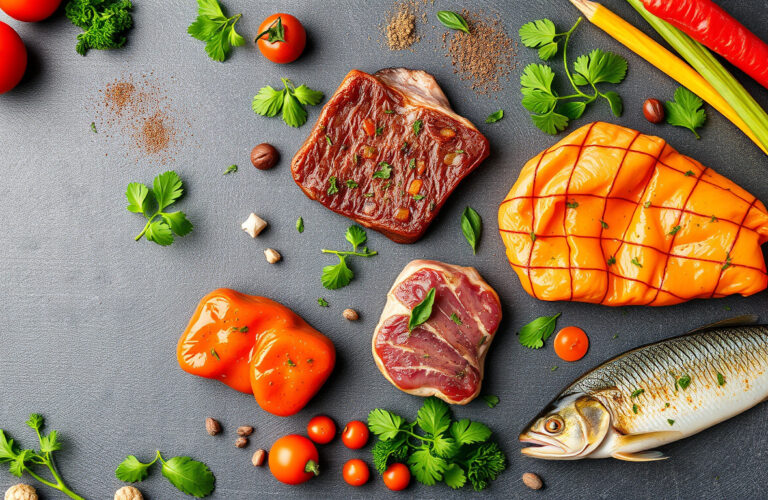
Want to boost flavor fast?
Marinating meat is the best way to:
* Add rich flavor instantly
* Tenderize tough cuts
* Lock in moisture easily
Many cooks think you need hours.
Or even a whole night.
But that is a myth.
Brief marinating works wonders.
It is the ultimate time-saver.
Perfect for busy weeknights.
Ideal for last-minute meals.
You can marinate before cooking.
You can even do it after cooking.
Get maximum taste in minimal time.
Try this quick marinade hack tonight!
Why Marinate Proteins Briefly?
The main goal of marinating is to impart flavor and sometimes improve the texture of proteins like chicken, beef, pork, seafood, or tofu. Traditional lengthy marinating allows salts, acids, and herbs to penetrate deeply, but brief marinating—typically 10 to 30 minutes—can still provide a noticeable and delicious flavor boost, especially when done correctly.
Here are some compelling reasons to embrace brief marinating:
- Speed and Convenience: Sometimes you just don’t have the luxury of overnight prep, and brief marinating fits tight schedules.
- Flavor Boost on Short Notice: Intense flavors can still infuse the surface of the meat quickly, creating tasty results.
- Preserving Freshness: Short marination preserves the bright, fresh qualities of herbs, citrus, and aromatic ingredients that may fade with long exposure.
- Avoiding Over-Tenderization: Acidic marinades left too long can break down proteins excessively, creating a mushy texture; brief marinating controls this risk.
- Flexible Cooking Techniques: You can marinate before or after cooking, depending on the flavor and texture outcomes you desire.
The Science Behind Brief Marinating
Proteins, when cooked, undergo muscle fiber contraction and moisture loss. However, the muscle fibers relax during resting, readying themselves to absorb moisture again. Brief marinating leverages this by introducing flavorful liquids in small doses either before or after cooking.
- Before Cooking: A short soak of 10–30 minutes coats the surface with flavor compounds. While these substances don’t deeply permeate the protein, they season the exterior intensely and help build delicious caramelization during cooking.
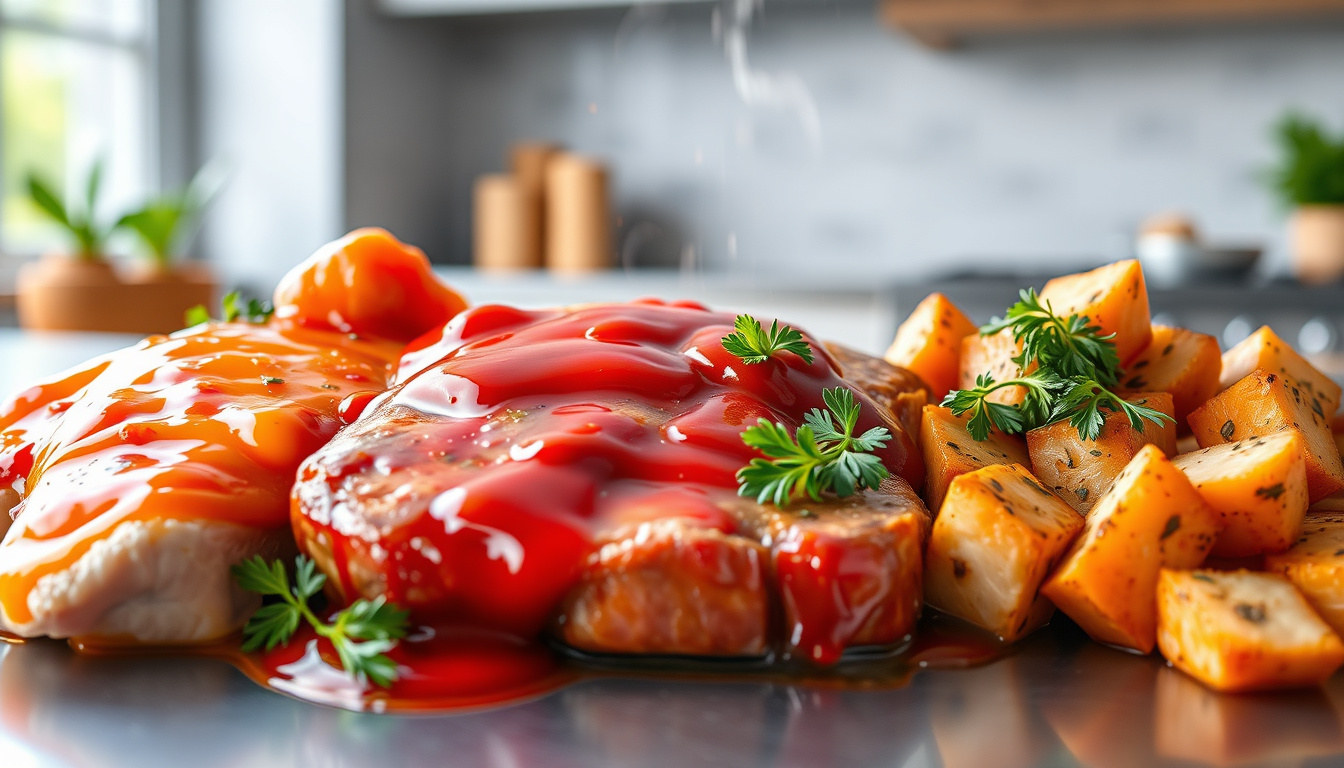
- After Cooking (Reverse Marinating): This underutilized technique involves pouring marinade over hot or warm protein right after cooking. As the meat fibers relax and cool slightly, they reabsorb moisture and flavors from the marinade, producing juicy, intensely flavored results. Moreover, this method preserves the marinade’s fresh components, like bright herbs and citrus, which can otherwise lose their zing when exposed to heat.
How to Briefly Marinate Proteins
- Choose Your Marinade Wisely: A well-balanced marinade includes acid (vinegar, citrus juice), fat (oil), seasoning (salt, pepper), aromatics (garlic, ginger), herbs, and a touch of sweetness (honey, sugar) for a perfect flavor profile.
- Prepare the Protein: Pat proteins dry to ensure the marinade adheres well. Season lightly with salt if desired.
- Marinate for 10 to 30 Minutes: For delicate proteins like fish or thin chicken cuts, 10 minutes may suffice. Denser meats like steak or pork chops benefit from 20–30 minutes.
- Use a Non-Reactive Container: Glass, ceramic, or food-safe plastic avoids metallic tastes.
- Refrigerate if Needed: For any marinating period beyond 15 minutes, refrigeration is recommended to maintain safety.
- Discard or Reuse Smartly: For traditional pre-cooking marinades, discard or boil used marinade before reuse to eliminate pathogens. For reverse marinating, you can safely serve the marinade as a sauce or drizzle since the protein is already cooked.
- Cook as Desired: Grill, pan-sear, roast, or broil the marinated protein according to your preference.
- Try Reverse Marinating: After cooking, transfer the protein to a shallow dish and pour the marinade over it. Let it sit for 10 minutes while flipping occasionally for even absorption.
Benefits and Tips for Brief Marinating
- Retain Brightness: Using fresh herbs and citrus in quick marinades keeps flavors lively.
- Control Char and Burn: Since sugar caramelizes under heat, marinating after cooking helps avoid burning from sweet marinades.
- Juiciness: Brief post-cooking marinating restores moisture lost during cooking.
- Safe to Serve: Post-cooking marinades can be served as sauces, enhancing presentation and flavor.
Popular Marinade Ideas for Quick Marinating
- Citrus Herb: Lemon juice, olive oil, garlic, rosemary, thyme, salt, and pepper.
- Asian-Inspired: Soy sauce, rice vinegar, sesame oil, ginger, garlic, honey.
- Spicy and Sweet: Chili flakes, lime juice, honey, cumin, coriander.
- Simple Salt and Oil: Salt, pepper, olive oil, fresh cracked garlic.
Final Thoughts
Marinating proteins briefly is a powerful culinary tool that can substantially elevate your dishes without demanding time or complexity. Whether you choose to marinate just before cooking or try the innovative reverse marinating after cooking, you can unlock layers of moistness, aroma, and bright flavor in mere minutes. Experiment with your favorite marinades, tailor them to your proteins, and enjoy the delicious transformation that brief marinating brings to your meals.
By understanding the science and techniques behind brief marinating, you can add both convenience and flavor sophistication to your cooking. Next time you’re short on time, remember: a few minutes marinade can make all the difference!