Mandy Croft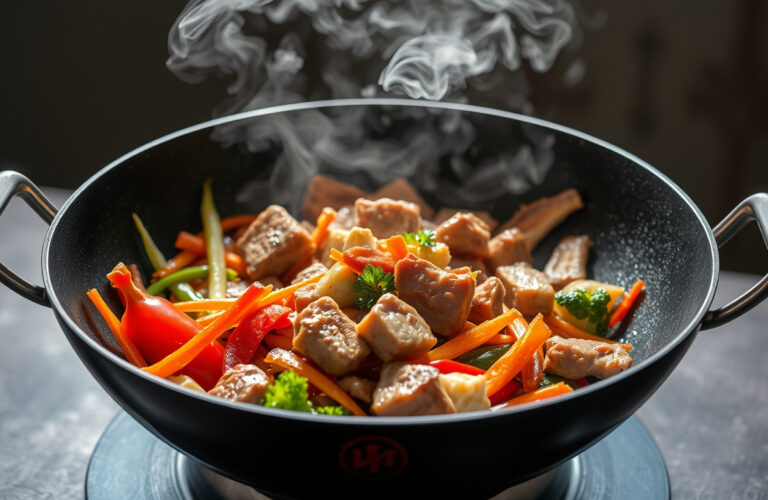
Stir-frying is a beloved cooking technique renowned for its ability to deliver vibrant, flavorful, and crisp dishes rapidly. Central to mastering stir-fry is understanding the importance of not overcrowding the wok. This simple but crucial tip can make the difference between a deliciously seared meal and a soggy, unevenly cooked mess. Here’s why avoiding overcrowding is essential and how embracing this principle will elevate your wok cooking skills every time.
What Does ‘Overcrowding the Wok’ Mean?
Overcrowding happens when you add too many ingredients to the wok all at once, causing them to pile up or overlap excessively. Instead of searing and frying quickly as intended, the ingredients begin to steam in their own moisture, which leads to soggy textures and uneven cooking. In stir-frying, the goal is high-heat, fast cooking that locks in flavor and texture — overcrowding works against this.
Why You Should Avoid Overcrowding Your Wok
1. Proper Heat Distribution and Searing
A wok’s design—with its wide, sloping sides—supports quick cooking by concentrating heat at the bottom. When ingredients are spread out in a single layer, each piece has direct contact with the hot surface, enabling it to brown and caramelize properly. Overcrowding traps moisture between the ingredients, lowering the pan’s surface temperature and resulting in steaming rather than searing.
2. Maintaining Texture and Flavor
High heat stir-frying is all about crisp veggies with a slight char and tender, juicy meat with a caramelized exterior. When the wok is overcrowded, ingredients release water that doesn’t evaporate quickly, making your dish watery or mushy. This compromises the distinctive “wok hei,” a sought-after smoky flavor and texture imparted by proper stir-frying.
3. Even Cooking
Ingredients vary widely in cooking times—harder vegetables like broccoli need longer than delicate greens or thinly sliced meat. Overcrowding mixes these ingredients all at once, preventing staged cooking and leading to undercooked or overcooked bits in the same dish. Giving each ingredient room helps you add them in sequence, ensuring everything is perfectly cooked.
How to Avoid Overcrowding: Practical Tips
Prepare Ahead
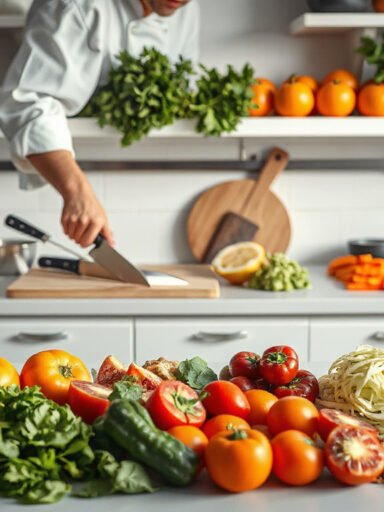
Before heating your wok, do all your chopping, slicing, and sauce mixing. Stir-frying moves quickly and requires ingredients ready to go in batches.
Cook in Batches
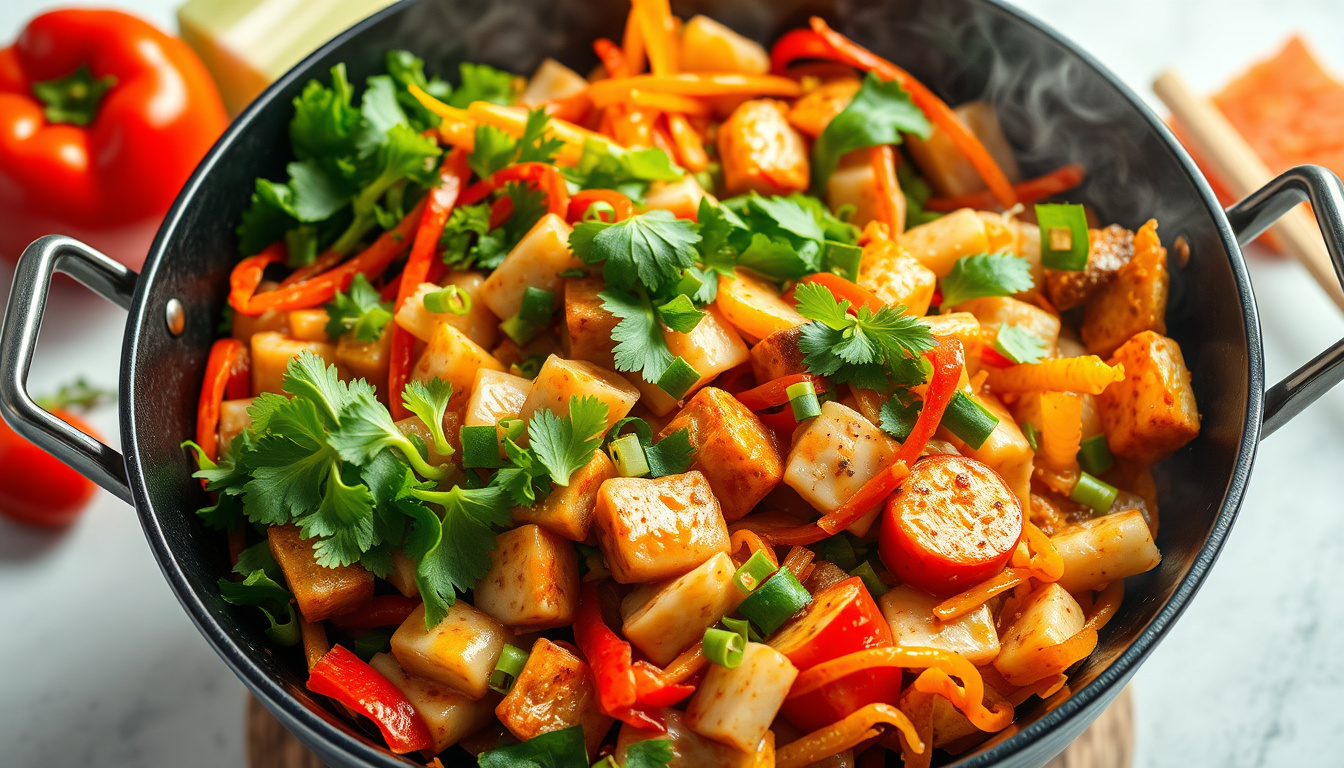
If you have a lot to cook, divide ingredients into smaller portions and cook in multiple rounds instead of all at once. After each batch, temporarily remove cooked items to a plate and return them at the end to combine with the sauce.
Use the Right Size Wok
A wok should be appropriately sized for your burner and meal quantity. If yours is small, don’t try to cram a large amount of food in at once; opt for smaller batches or a bigger wok.
Keep the Wok Hot
Always preheat your wok until it’s smoking hot before adding oil and ingredients. A properly heated wok helps ingredients cook rapidly and resist sticking, which overcrowding undermines.
Spread Ingredients Evenly
When adding meat or vegetables, spread them out so each piece contacts the wok’s surface. Avoid piling or mixing too many components at once.
Conclusion
Avoiding overcrowding is a cornerstone of successful stir-frying. It ensures that your ingredients sear perfectly, maintain crispness, and retain vibrant colors and flavors. By cooking in batches, organizing your prep, and respecting the wok’s high-heat environment, your stir-fry dishes will consistently impress with their texture and taste.
Next time you fire up your wok, remember: give your ingredients space to breathe and sizzle. Your stir-fry will thank you!