Mandy Croft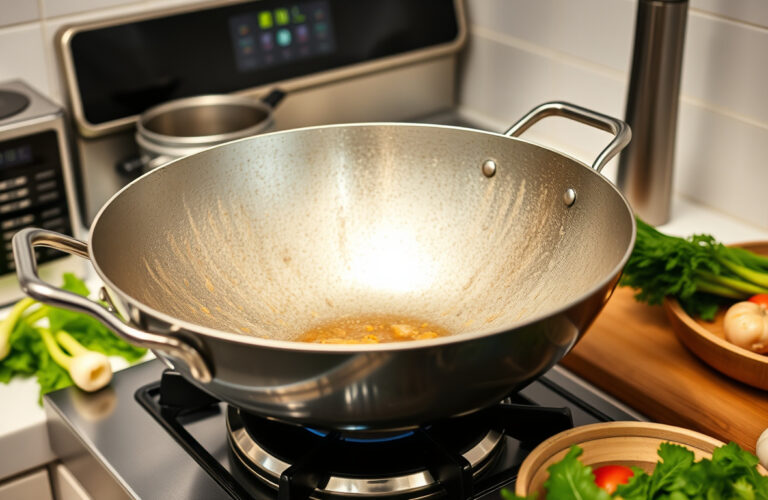
When it comes to perfect stir-frying, the right technique and a well-prepared wok are just as important as the ingredients themselves. One fundamental but often overlooked step is ensuring your wok is completely dry before adding oil. Let’s explore why this is critical, how it ties into seasoning your wok, and how it influences your cooking results.
Understanding the Importance of a Dry Wok
Prevent Rust and Preserve Seasoning
A common material for woks is carbon steel, prized for its heat conductivity and durability but highly susceptible to rust if moisture lingers. Water left on the surface promotes oxidation, which not only causes rust but can also ruin the delicate seasoning — the essential polymerized oil layer that creates a natural non-stick surface.
Both professional cooks and home enthusiasts emphasize drying the wok thoroughly—usually by heating it after washing—before adding any oil. This preempts rust formation and helps maintain the seasoning patina that builds with use.
Avoid Oil Splattering and Uneven Cooking
When water meets hot oil at high temperatures, it causes immediate splattering, which is dangerous and messy. A dry wok prevents this, enabling the oil to evenly coat the surface. This uniform oil layer is vital for quick searing and preventing food from sticking.
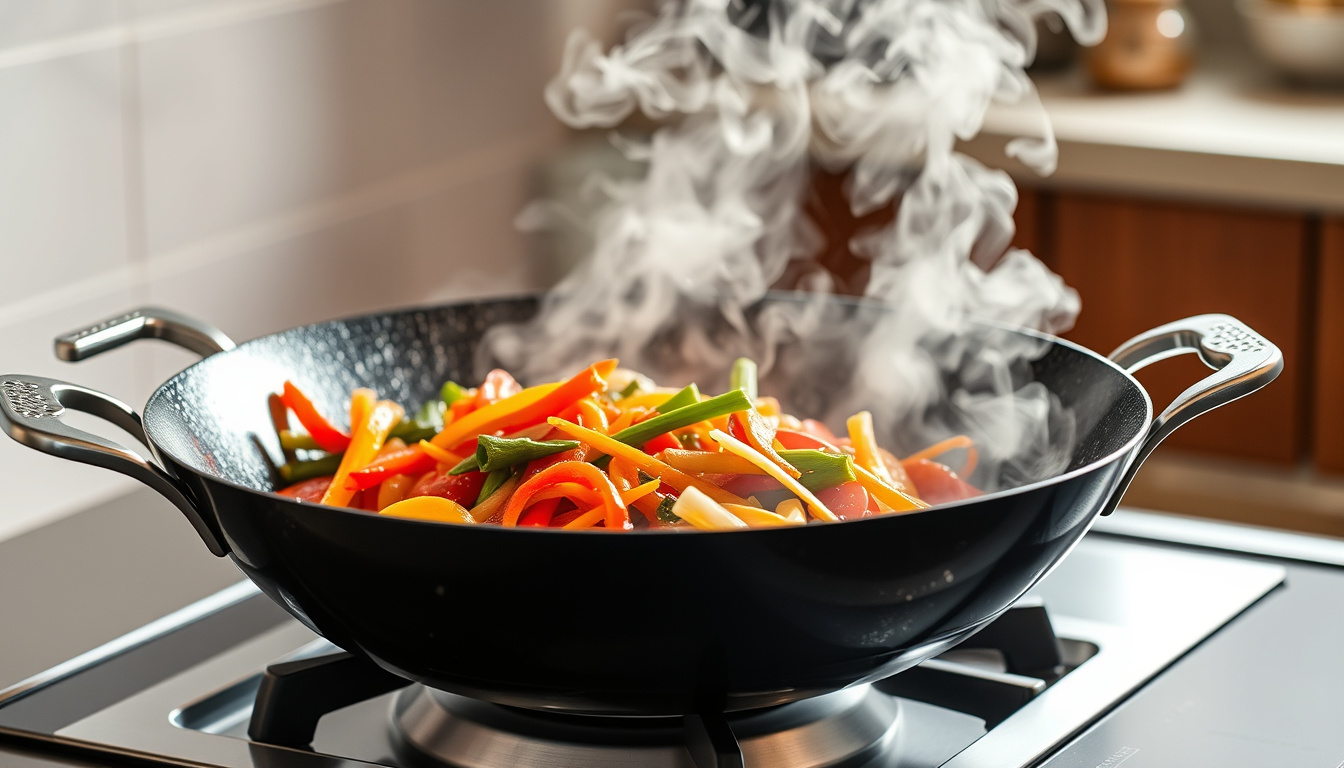
The Crucial Role of Seasoning
What Is Seasoning?
Seasoning involves baking thin layers of oil into the carbon steel through heat, creating a darkened, semi-glossy patina that acts as a natural, durable non-stick coating. This surface repels food and enhances flavor through what’s known as wok hei, or “breath of the wok” — the characteristic smoky aroma and taste delivered by a properly seasoned wok.
How Seasoning Relates to a Dry Wok
After washing your wok, residual moisture must be evaporated before oiling. Applying oil on a damp wok compromises the seasoning process: the oil fails to bind properly and can cause sticky residue or blotchy patches, as many cooks have experienced when skipping this step. Drying with heat ensures the oil polymerizes correctly, building a consistent seasoning.
The Best Practice: Drying Your Wok Before Adding Oil
-
Clean but Avoid Soap When Possible: Use hot water and a soft brush or sponge to remove food particles. Some recommend no soap to preserve seasoning, but occasional mild dish soap can be used during initial cleaning.
-
Dry Completely: Wipe your wok with a clean towel immediately after washing.
-
Heat the Wok: Place the wok on medium to high heat until all moisture evaporates. You may observe slight smoke or color change signaling it’s dry and ready.
-
Add Oil to the Hot, Dry Wok: Pour in a small amount of a high smoke point oil (such as vegetable, peanut, or rice bran oil) and spread it evenly using a paper towel or a wok ladle.
This sequence maximizes seasoning development and ensures safe, effective stir-frying.
Additional Tips for Seasoning and Using Your Wok
- Start Seasoning Early: Whether your wok is pre-seasoned or not, an initial seasoning session is key to building that essential patina.
- Use Minimal Oil During Seasoning: Excessive oil results in sticky, uneven surfaces.
- Keep it Oiled After Each Use: Once clean and dry, apply a thin coat of oil and heat it briefly to maintain seasoning and prevent rust.
- Patience is Key: Seasoning takes time—multiple heating and oiling cycles over weeks of use help create that perfect non-stick surface.
Achieving the Signature Stir-Fry
The benefits of a dry, well-oiled and seasoned wok are apparent in cooking performance:
- Quick Searing: Food touches a hot surface coated with oil, locking in flavor.
- No Sticking: The patina allows ingredients to move and toss easily.
- Even Cooking: Oil distributes heat evenly.
- Developing Wok Hei: Continuous seasoning and proper technique impart the evocative “breath of the wok” flavor characteristic of restaurant-quality dishes.
In Summary: Ensuring your wok is completely dry before adding oil is a foundational step in mastering stir-frying. It protects your wok from rust, supports the seasoning process, prevents hazardous splattering, and lays the groundwork for that coveted wok hei. By combining drying with proper seasoning and cooking techniques, you unlock the full potential of your wok — transforming ordinary stir-fries into culinary delights.
Happy cooking and may your wok always be sizzling perfectly!