Mandy Croft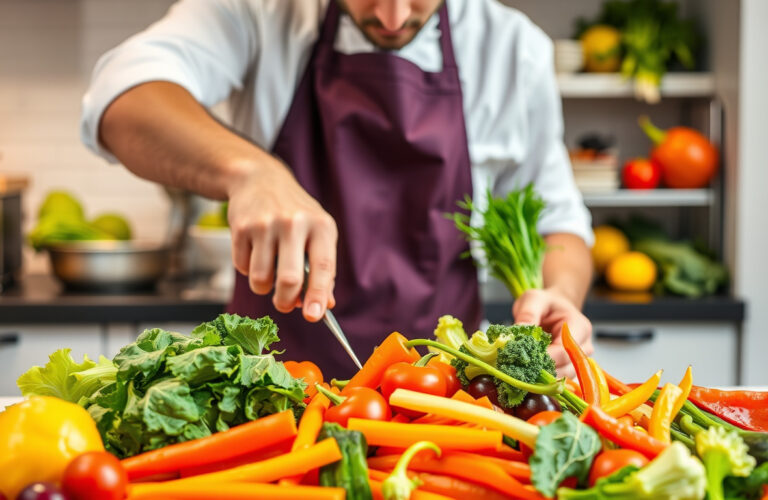
Vegetables are the cornerstone of a healthy diet, packed with vitamins, minerals, and antioxidants. Yet, many home cooks find themselves unintentionally overcooking their vegetables, resulting in dull colors, mushy textures, and diminished nutritional value. Avoiding the pitfall of overcooking is key to preserving both taste and health benefits. This article shares crucial tips and insights to help you master vegetable cooking and keep your meals vibrant, flavorful, and nutritious.
Understanding the Importance of Proper Cooking
While some vegetables are delicious and nutritious raw, others release more nutrients when cooked just right. For instance:
- Asparagus: Steamed asparagus activates cancer-fighting compounds.
- Mushrooms: Cooking enhances the availability of potassium.
- Spinach: Cooking increases iron, calcium, and magnesium absorption.
- Tomatoes: Heat boosts the absorption of lycopene, a powerful antioxidant.
However, applying too much heat or cooking for too long breaks down these nutrients and leads to bland flavors and unpleasant textures that can turn people away from healthy eating.
Common Mistakes That Lead to Overcooking
Many of us have been there—starting with fresh, crisp vegetables that soon turn limp, gray, and mushy. Understanding common missteps can prevent this disappointment:
- Cooking for Too Long: Leaving vegetables on the heat past the point of doneness causes loss of color and texture.
- Using Too Much Water: Boiling vegetables in large amounts of water washes out water-soluble vitamins and dulls vegetables’ vibrant colors.
- Prepping Too Early: Washing and cutting vegetables hours or days before cooking leads to nutrient loss and faster spoilage, resulting in limp veggies before even hitting the pan.
Essential Tips to Prevent Overcooking Vegetables
1. Cook Just Until Tender-Crisp
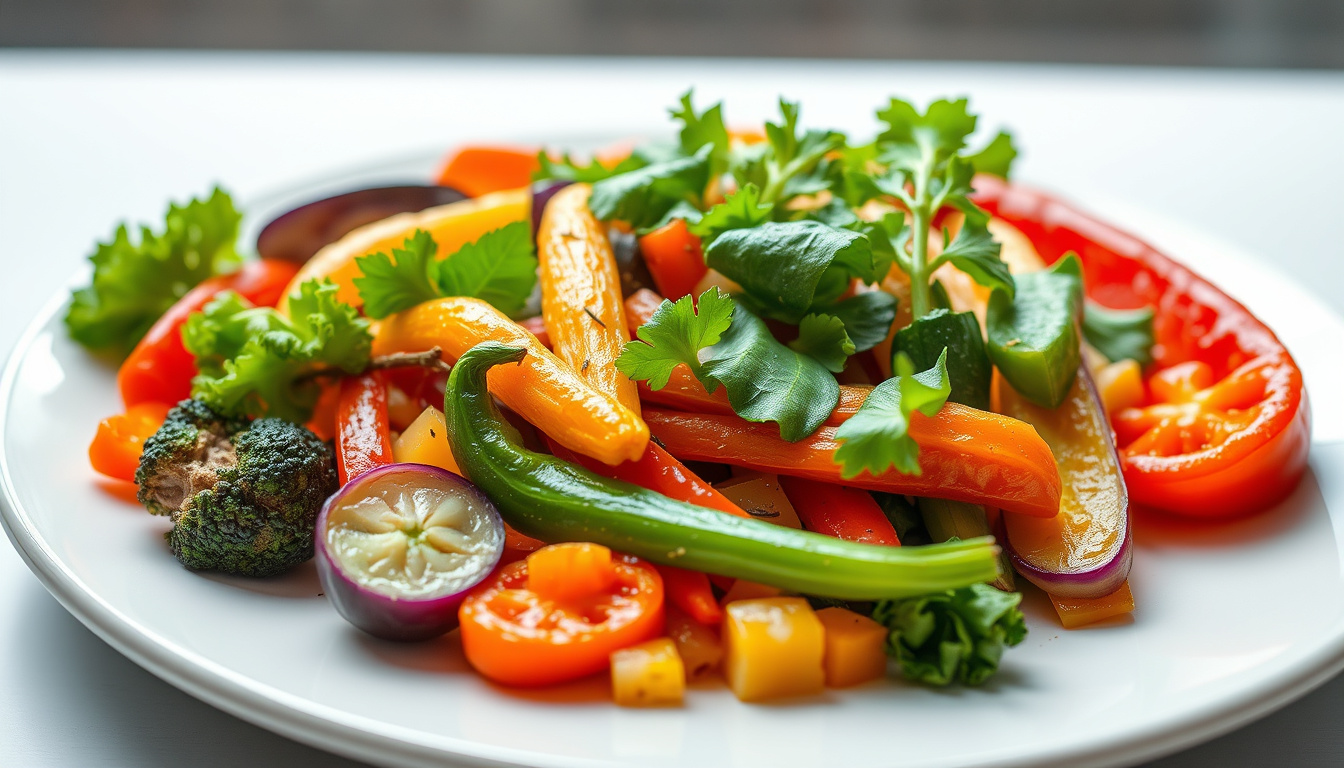
Aim to cook vegetables until they are tender yet retain a slight crunch. This point is when their natural flavors shine and nutritional content remains intact. For example, broccoli should be bright green and slightly firm, not a dull olive color and mushy. Steaming, blanching, roasting, or sautéing quickly over medium-high heat often helps achieve this.
2. Use Minimal Cooking Water
When boiling or blanching, use just enough water to prevent vegetables from becoming waterlogged. Alternatively, steaming your vegetables allows them to cook in their own moisture, preserving flavor and nutrients.
3. Cut Vegetables Right Before Cooking
To prevent oxidation and nutrient loss, chop and wash vegetables as close as possible to the cooking time. If you must prepare in advance, store cut vegetables in airtight containers in the fridge and keep greens wrapped with a paper towel to absorb moisture.
4. Employ Cooking Methods That Enhance Flavor and Nutrition
- Steaming: Keeps vegetables vibrant and crisp.
- Sautéing or Stir-Frying: Uses high heat for a short time to caramelize and preserve texture.
- Roasting: Concentrates sweetness and nutrients when done correctly — avoid burning and over-softening.
- Blanching: Quickly boils vegetables then shocks them in cold water to preserve color and texture.
5. Taste Test Frequently
Check doneness often by tasting your vegetables. They should be tender without being soft or mushy.
What To Do If You Overcook
Though overcooked vegetables may seem like a lost cause, they can be repurposed. Puree them for soups, blend into sauces, or add into casseroles and smoothies to prevent waste.
Final Thoughts
Mastering vegetable cooking is about embracing their natural qualities and applying the right techniques to enhance them. Avoid overcooking by monitoring cooking times, choosing appropriate methods, and preparing vegetables thoughtfully. Doing so will reward you with dishes that are not only visually appealing but bursting with flavor and rich in nutrients.
Elevate your cooking habits and turn your vegetables into the star of every meal—vibrant, tasty, and nourishing!