Mandy Croft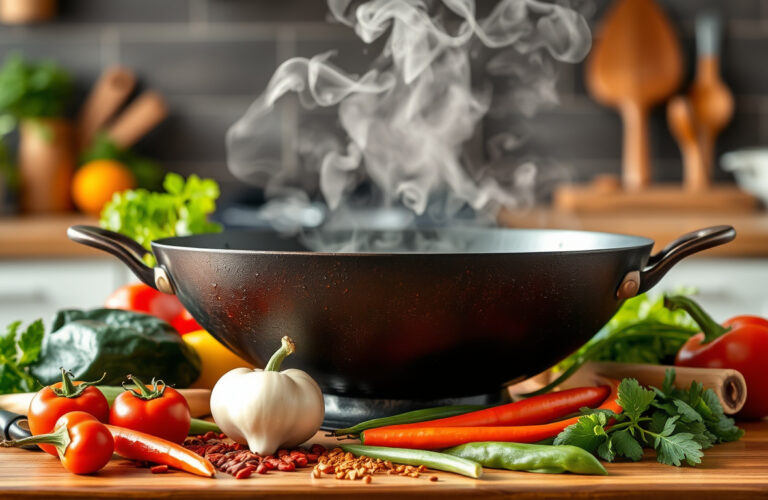
A wok is an incredibly versatile and essential tool for any kitchen, especially when preparing Asian cuisine. Whether you’re a beginner or someone who cooks stir-fries and other wok-based dishes regularly, mastering the art of seasoning your wok ensures longevity, enhances cooking performance, and improves the flavors of your dishes. This guide provides you with crucial insights and practical steps to season your wok properly and maintain it for regular use.
Why Season a Wok?
Seasoning is a vital process mainly for carbon steel and cast iron woks. Unlike stainless steel, these materials develop a protective layer—a patina—that offers a natural nonstick surface and prevents rust. This layer forms through a process called polymerization, where oil baked onto the heated wok bonds to its surface.
A well-seasoned wok not only resists rust but also enhances cooking by:
- Building a natural nonstick coating that improves with use
- Developing subtle flavors often referred to as wok hei or “the breath of the wok”—a smoky, savory aroma characteristic of high-heat stir-frying
- Adding depth and character to your dishes over time
Note: Stainless steel woks do not require traditional seasoning as their smooth, nonporous surfaces do not bond with oil to create a patina. Instead, heat conditioning techniques can reduce sticking but won’t replicate the effect of seasoning carbon steel or cast iron.
Essential Tools & Ingredients
- Carbon steel or cast iron wok (new or in need of re-seasoning)
- Liquid dish soap
- Sturdy scouring pad, stainless steel scrubber, or wok brush
- Cooking oil with a high smoke point (e.g., peanut oil, grapeseed oil, vegetable oil)
- Aromatics such as ginger slices and chopped scallions or garlic chives (optional but recommended for flavor infusion)
- Paper towels
Step-by-Step Guide to Seasoning Your Wok
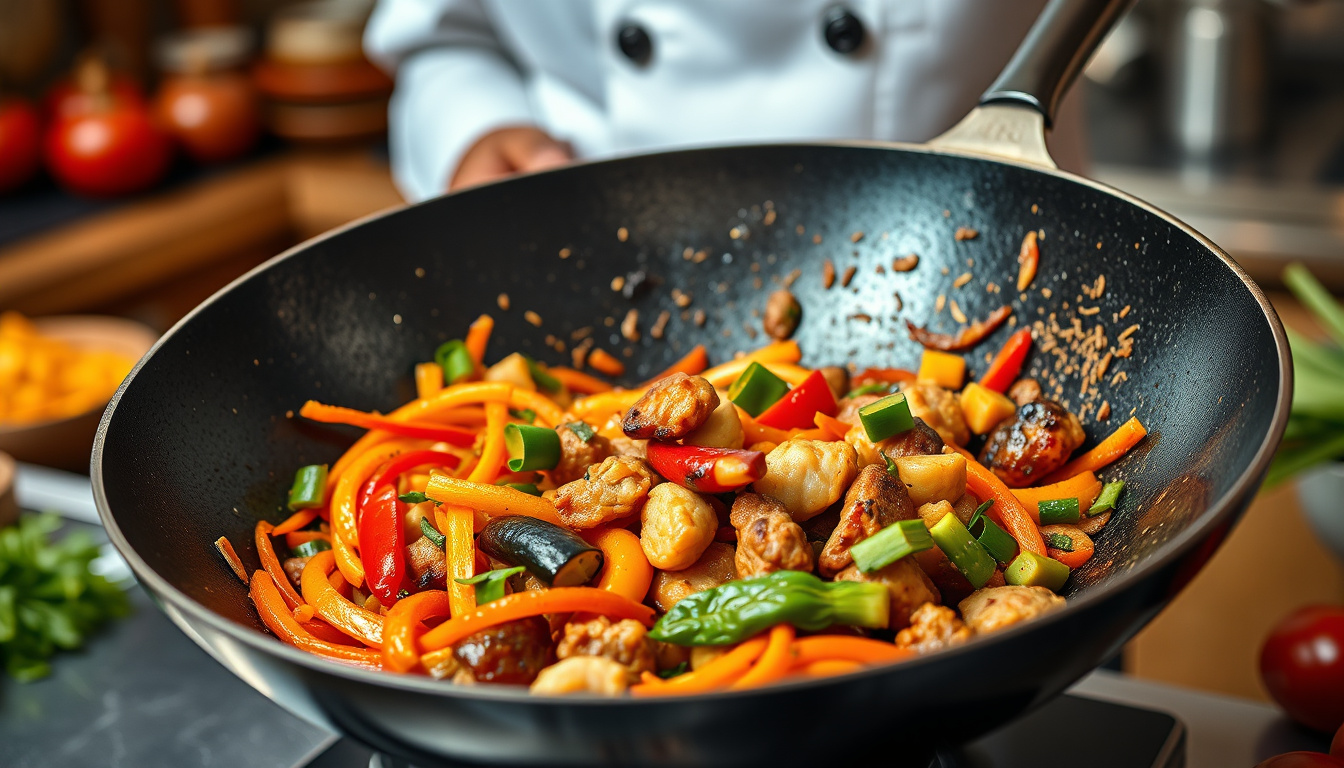
Step 1: Clean Thoroughly
Before seasoning, scrub your wok vigorously with hot, soapy water and a scouring pad or steel scrubbing tool. This removes factory oils or protective coatings that can impart unpleasant flavors and interfere with seasoning. Rinse well and dry the wok.
Step 2: Heat the Wok
Place the wok on a stove over medium heat to dry completely. The metal will start to change color, showing signs of its readiness for oil application. A bluish or dark hue indicates heat transformation typical for carbon steel and cast iron.
Step 3: Oil and Aromatics Application
Add about 2 tablespoons of your chosen high-smoke-point oil to the hot wok. Tilt and swirl to coat the surface evenly. Add aromatics like thinly sliced ginger and chopped scallions or garlic chives to infuse flavor and help spread the oil. Stir gently and continuously to avoid burning and ensure coverage.
Step 4: Develop the Patina
After the aromatics slightly char, remove and discard them. Rinse the wok under hot running water without soap, and scrub lightly with a wok brush to remove any residue. Dry thoroughly over heat again.
Step 5: Final Oiling
Once dry and slightly cooled, spread about 1 tablespoon of cooking oil over the interior surface using folded paper towels—be careful to avoid splashes from the hot oil. This step protects the wok and finishes the initial seasoning.
Your wok is now seasoned and ready to use!
Maintaining Your Seasoned Wok
- Avoid dish soap except when absolutely necessary, as it can strip away the seasoning.
- Do not soak the wok, which encourages rust.
- Rinse with hot water and use a brush or wok spatula to remove food remnants.
- For stubborn bits, salt scrubbing with a paper towel is effective.
- Use oil sparingly during cooking; as seasoning improves, less oil is needed.
- Avoid cooking very acidic foods early on as they can break down the seasoning; if this happens, re-season your wok.
- Regularly oil your wok lightly after cleaning to maintain its patina and prevent rust.
With frequent cooking (2-3 times weekly), your wok will gradually darken and develop into the perfect nonstick cookware, sometimes taking months to reach a deep black patina.
Special Notes on Stainless Steel Woks
If you have a stainless steel wok, seasoning as described above won’t be effective because stainless steel doesn’t form a polymerized oil layer. Instead, heat conditioning helps:
- Preheat your wok and add a small amount of oil once water droplets dance on the surface.
- Swirl the oil immediately to coat the base before adding food.
- Wash with soap after each use to avoid built-up food residue.
This method improves cooking but will not replicate the rich seasoning benefits of carbon steel or cast iron woks.
Conclusion
Seasoning your wok is more than just a one-time chore; it’s a rewarding culinary ritual that improves your cookware and cooking experience. With regular use and proper maintenance, a seasoned wok can last a lifetime, impart unique flavors to your dishes, and provide a natural nonstick surface free of synthetic chemicals. Embrace the process, and soon you’ll be cooking with confidence and savoring the true essence of stir-fry mastery.
By understanding and applying these seasoning techniques, you’ll harness the full potential of your wok, whether you’re whipping up quick weeknight dinners or experimenting with new recipes. Happy cooking!