Mandy Croft
A well-seasoned wok is a treasured kitchen tool prized for its natural non-stick surface and ability to deliver authentic stir-fried flavors. Maintaining this seasoning properly is key to ensuring your wok’s performance and lifespan. One of the most common questions among wok users is whether soap should be used when cleaning a seasoned wok. The consensus among culinary experts and seasoned wok enthusiasts is clear: avoid soap on a seasoned wok unless absolutely necessary. Here’s why, along with essential tips on how to care for your wok to keep it in perfect shape.
Understanding Wok Seasoning and Why It Matters
Seasoning refers to the polymerized oil layer that bonds to the wok’s surface after repeated heating and cooking. This layer:
- Creates a natural, non-stick coating without synthetic chemicals.
- Protects the wok from rust and corrosion.
- Enhances the wok’s ability to impart better flavors to food.
When soap is used excessively or aggressively on a seasoned wok, it can strip away this protective oil layer, exposing the raw metal underneath. This results in:
- Loss of non-stick properties.
- Increased risk of rust formation.
- Reduced cooking efficiency and flavor quality.
Why Avoid Soap on a Seasoned Wok?
1. Soap Strips the Seasoning
Most dish soaps are designed to break down oils and grease aggressively. While useful on regular cookware, this effect works against a seasoned wok by removing the delicate layer of polymerized oil essential for its performance.
2. Frequent Soap Use Leads to Rust
Removing the seasoning exposes the carbon steel or cast iron beneath. Since these metals are prone to rust, especially when exposed to moisture, using soap regularly increases the likelihood of rust patches developing on your wok.
3. Seasoning Takes Time to Build
Seasoning is a process that improves over many uses. Every time you scrub away the seasoning, you are essentially resetting your progress. This makes it harder to maintain an effective, durable surface.
When Is It Okay to Use Soap on Your Wok?
Occasionally, a mild dish soap can be helpful, particularly:
- If your wok is extremely greasy, such as after cooking meat or seafood.
- When thick sauces leave stubborn residues that hot water alone cannot remove.
- For deep cleaning when you plan to re-season your wok afterward.
Even in these cases, use only a small amount of mild soap with gentle scrubbing, then be sure to thoroughly dry and reapply oil after washing.
Proper Cleaning and Care for Your Seasoned Wok

Following these steps helps maintain your wok’s seasoning and ensures longevity:
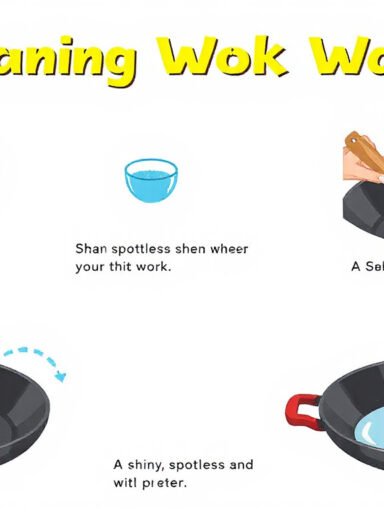
Step 1: Clean While Warm
Clean your wok shortly after cooking, while it is still warm, as residues are easier to remove. Avoid letting food sit in the wok for extended periods to prevent rusting.
Step 2: Use Hot Water and Gentle Scrubbing
- Rinse with hot water and use a soft sponge or a natural bristle brush to remove food bits.
- Employ a metal spatula to scrape off tough residues carefully without damaging the seasoning.
- Avoid soaking the wok for long periods, as prolonged exposure to water promotes rust.
Step 3: Skip or Minimize Soap
Only use a small amount of mild soap if necessary. Otherwise, skip soap altogether to protect the seasoning layer.
Step 4: Thoroughly Dry the Wok
Immediately dry the wok after washing. The most effective way is to place the wok on the stove over low heat until completely dry, which also helps prevent rust on the exterior.
Step 5: Lightly Oil After Drying
To maintain and build your seasoning, apply a light coating of vegetable oil to the interior surface using a paper towel. This step is particularly important if you don’t use your wok daily or after deep cleaning.
Additional Tips for Wok Longevity
- Avoid Dishwasher: Never put your wok in the dishwasher. The harsh detergents and water exposure will destroy the seasoning.
- Be Careful With Abrasives: Avoid harsh scouring pads or steel wool that can scratch the wok’s surface. Natural fiber brushes or soft sponges work best.
- Use Your Wok Often: Frequent use enhances the seasoning and develops a better non-stick surface over time.
- Handle Rust Quickly: If you notice rust, scrub with salt or an abrasive sponge, clean, dry, and re-season immediately.
Conclusion
Your seasoned wok is more than just cookware—it’s a cooking partner that improves with proper care and patience. Avoiding soap during regular cleaning preserves the wok’s natural, protective seasoning layer, enhancing both its performance and longevity. When you must use soap, do so sparingly and follow with thorough drying and oiling. With these practices, your wok will reward you with years of delicious, effortless cooking.
Remember: Treat your wok like a cast iron skillet—with love, care, and respect—and it will serve you well for a lifetime of flavorful meals.