Mandy Croft
Mastering the art of wok cooking transforms your home meals.
Traditional frying pans cannot match its unique shape.
High heat and swift motions create the perfect sear.
Your vegetables stay crisp, vibrant, and packed with flavor.
Here is the ultimate guide to upgrading your stir-fry technique.
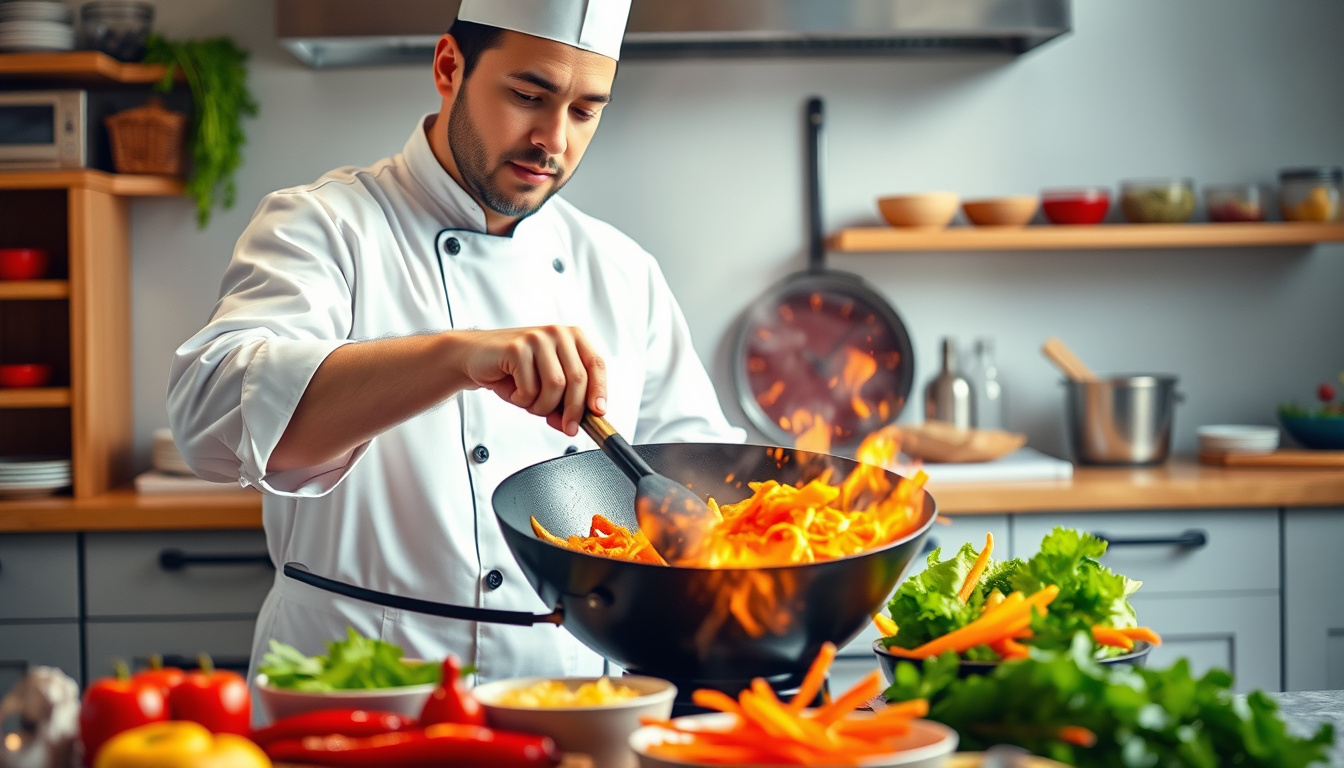
Why Shake the Wok? The Art and Science of Tumbling Ingredients
The wok is designed as a rounded, deep “hot bowl” that hugs ingredients close to the heat source at the bottom while providing ample room to toss food without spilling. Shaking or gently tumbling your ingredients involves rocking the wok back and forth or slightly lifting and tossing the contents so they move around inside the pan. This motion has several benefits:
- Even Cooking: Tumbling continuously moves food between the hottest part of the wok (the bottom) and the cooler sides, ensuring ingredients cook evenly and avoid burning.
- Maintains Crisp Texture: Quick tossing prevents ingredients from sitting too long on the hot surface, preserving their bright colors, crispness, and freshness.
- Flavor Development: The constant agitation helps develop subtle browning and caramelization, imparting a smoky “wok hei” flavor prized in Asian cuisine.
- Prevents Sticking: Moving the ingredients keeps them from clumping or sticking to the pan surface, especially important when cooking with minimal oil.
This active technique replaces the common skillet method of stirring with a spoon or spatula. Instead, shaking your wok lets you lift and tumble all ingredients in one fluid motion, maximizing contact with the heat and incorporating sauces for an even coating.
Getting Started: Preparing Your Wok for Perfect Tumbling
Choose and Season Your Wok Properly
Woks come in various materials, from lightweight carbon steel to cast iron and non-stick coatings. For home cooks aiming to master stir-frying, carbon steel is often recommended due to its excellent heat retention and reasonable weight. However, it requires seasoning—a process that creates a natural non-stick layer by polymerizing oil onto the metal surface.
- Seasoning: Heat your wok to a high temperature until it changes color, then apply a thin layer of oil and allow it to bond with the metal as it cools. Repeat this to build up a durable, dark patina. This patina enhances non-stick properties and flavor absorption.
- Cleaning: After use, clean your wok while it is still warm with water and a soft scrubber to avoid removing the seasoning. Avoid using soap that can strip the patina.
Preheat and Prepare Your Ingredients
- Preheat the wok on medium-high heat until it passes the “water test” — a drop of water should sizzle and evaporate immediately.
- Add a high smoke point oil such as peanut or vegetable oil. Add oil cold after preheating the wok to avoid burning the oil.
- Ensure all your ingredients are dry. Moisture lowers the wok’s temperature and causes steaming rather than searing.
- Have all your ingredients chopped and measured beforehand—stir-frying is a fast process and constant motion is key.
The Technique: How to Shake Your Wok and Tumble Ingredients Like a Pro
- Add Ingredients in Order: Begin with proteins or aromatics that need longer cooking and proceed to vegetables that cook quickly. Add noodles or delicate ingredients last.
- Rock and Roll: Hold the handle firmly and rock the wok back and forth or slightly lift it to toss ingredients in the air gently. This practice circulates the food so that every piece gets exposed to the heat evenly.
- Constant Motion: Keep the food moving without pressing down or overcooking. A constant toss ensures no ingredient lingers too long on the hot base, keeping the stir-fry quick and vibrant.
- Add Liquids to the Edge: For sauces like soy sauce or oyster sauce, add them to the side of the wok so they can reduce slightly before mixing in, concentrating flavor.
- Final Touches: Add fresh herbs or scallions at the end, tossing briefly to wilt them without losing crunch or color.
Common Mistakes to Avoid
- Overcrowding the Wok: Too many ingredients lower the temperature, causing steaming instead of stir-frying. Cook in batches for best results.
- Using Damp Ingredients: Wet vegetables or meats will steam rather than sear, resulting in soggy textures.
- Not Preheating the Wok: Starting with a cold wok prevents a proper sear and causes sticking.
- Neglecting Wok Maintenance: A poorly seasoned wok invites rust and food sticking, making tumbling difficult.
Conclusion
Mastering the gentle shaking and tumbling of ingredients in your wok unlocks the full potential of stir-fry cooking: intense heat, quick sear, crunchy texture, and deliciously complex flavors all in minutes. With proper wok selection, seasoning, preheating, and a rhythmic shaking technique, you can elevate your home-cooked stir-fries to professional levels. So grab that wok, prepare your mise en place, and let the tumbling begin—your taste buds will thank you.
References:
- Eric’s Wok Tips and Seasoning Guide – Lesson on choosing and maintaining a wok for home use
- Grace Young, Wokmaster, via Epicurious – Insights on preheating, tossing technique, and avoiding overcrowding
- Shanghai, Suzhou & Hangzhou Travel Guide – Cultural importance of wok shaking in cooking vibrancy and flavor