Mandy Croft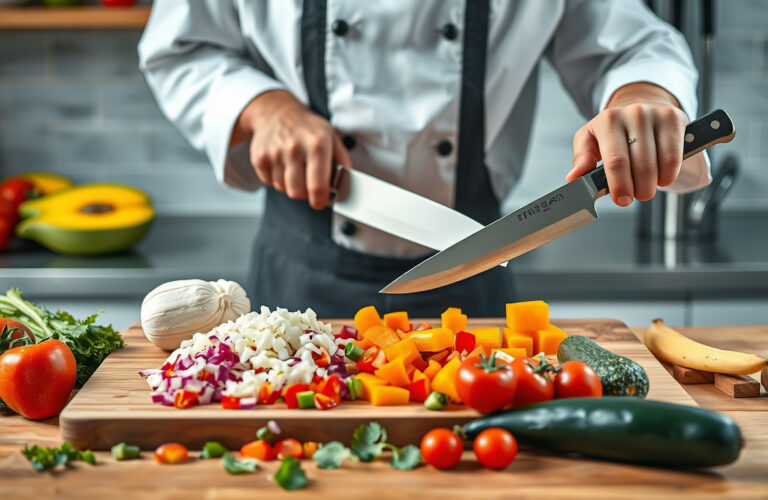
Mastering knife skills is the ultimate game-changer for your cooking.
Whether you cook at home or dream of becoming a chef,
top-tier technique transforms everything.
Here is how improving your knife skills benefits you directly:
* Save valuable time during meal prep.
* Ensure even cooking with precise cuts.
* Prevent accidental injuries in the kitchen.
This expert guide delivers practical culinary tips to help you handle your kitchen knife with absolute confidence.
The Importance of Knife Skills
Strong knife skills are the backbone of culinary craftsmanship. Proper technique helps you produce uniform cuts that cook evenly and enhance the presentation of your dishes. Moreover, efficient knife skills reduce energy and effort, minimize injury risk, and improve speed — key factors for both professional chefs and food enthusiasts.
Essential Elements of Knife Handling
1. Mastering the Grip
Your grip directly affects control and precision. Two primary grips are widely used:
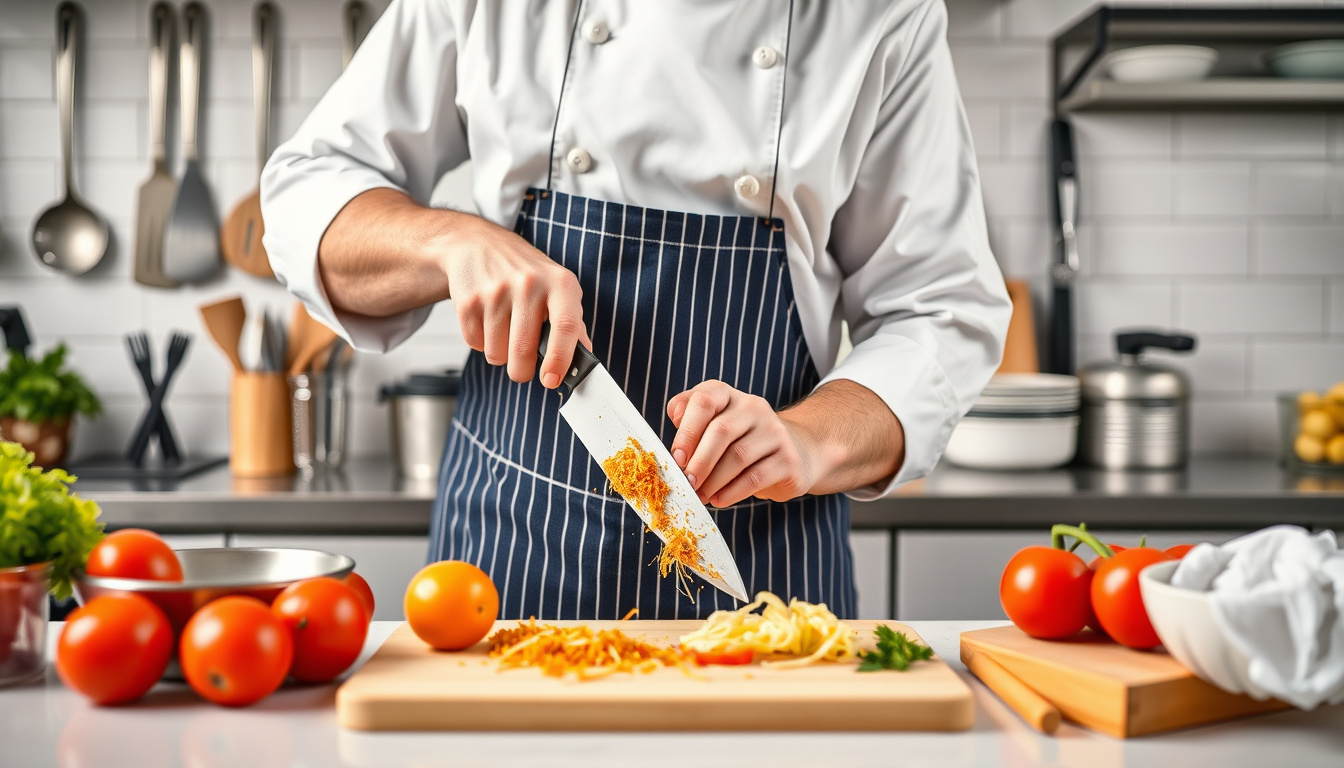
- Pinch Grip: Pinch the blade just above the bolster with your thumb and forefinger, wrapping the rest of your fingers around the handle. This grip offers optimal control for chopping and fine cuts and is preferred by professional chefs.
- Handshake Grip: Hold the knife as though shaking someone’s hand. This feel is intuitive and powerful but may provide less precision than the pinch grip.
Choose the grip that balances comfort, control, and safety for you, but practicing the pinch grip is highly recommended for efficiency.
2. Proper Body and Hand Positioning
- Body Posture: Stand with a balanced stance, feet shoulder-width apart, and keep your elbows close to your body. A relaxed but stable posture promotes control and reduces fatigue.
- Stabilizing the Food: Use your non-dominant hand to steady the ingredient with fingers curled inward in a “claw” shape. This method protects fingertips by keeping them behind the knife blade, improving safety and precision.
- Knife Movement: Maintain the blade parallel to the cutting board, using a smooth rocking motion from tip to heel rather than an up-and-down chop. This technique increases efficiency and produces cleaner cuts.
3. Prepare the Cutting Surface and Ingredients
- Flat Base: Many round vegetables and fruits can wobble on the board, risking accidents. Create a stable flat surface by cutting a thin slice off one side or halving larger items, ensuring steady contact with the board.
- Sharp Knives: A sharp blade is safer and requires less effort. Regularly sharpen and hone your knives to maintain their edge.
Basic Cutting Techniques
Learning and practicing fundamental cuts will improve your efficiency immensely:
- Slicing: Use a rocking motion to make smooth, even slices. Guide your cuts with the knuckle of your claw hand for consistent thickness.
- Bias Slice: Cut diagonally to create broader slices, useful for elongated items like carrots or cucumbers.
- Mincing: Chop herbs or aromatics finely by rocking the knife heel up and down, keeping the tip anchored.
- Dicing: Slice into even pieces, then cut lengthwise into sticks before cross-cutting into cubes.
- Wedges: Halve then quarter items like potatoes, trimming further for size preference.
- Chiffonade: Roll leafy herbs or greens and slice crosswise into delicate ribbons, ideal for garnishes.
For foods like onions, use specific methods such as cutting through the stem end to hold layers together during dicing.
Essential Knives for Efficient Prep
You don’t need a full set to be effective. These three knives cover nearly all your prepping needs:
- Chef’s Knife (8-inch): A versatile workhorse for slicing, dicing, chopping, and mincing.
- Serrated Knife: Ideal for bread, tomatoes, and other items with tough exteriors and soft interiors.
- Paring Knife: Perfect for peeling, trimming, and detailed work requiring precision.
Invest in comfortable, sharp, and well-balanced blades to support proficiency.
Building Efficiency Through Practice
Efficiency is as much about deliberate practice as technique. Repeatedly work on your grip, stance, knife movement, and cuts during everyday cooking. Start slowly, focusing on accuracy and safety, then increase speed as muscle memory develops. Incorporate these skills into your kitchen routine, and your prep time will decrease noticeably, leaving more room for creativity and enjoyment.
Final Thoughts
Mastering knife skills is a foundational step toward culinary confidence and efficiency. Focus on comfortable grips, safety techniques such as the claw, consistent and precise cuts, and choosing the right tools. With patience and practice, your kitchen workflow will become smoother, safer, and faster — letting you focus on what truly matters: making delicious meals.
By integrating these core techniques into your cooking habits, you’ll experience the satisfaction of working efficiently and safely with a knife, improving both your productivity and enjoyment in the kitchen.