Mandy Croft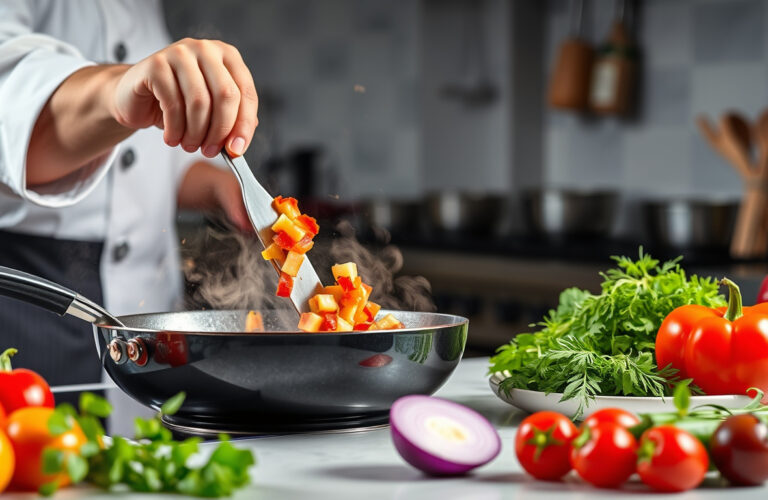
Cooking delicious meals is a harmonious blend of timing, technique, and understanding how ingredients interact with heat and each other. A pivotal element in this process is keeping ingredients moving during cooking, especially when sautéing, stir-frying, or simmering. This technique ensures even cooking, prevents burning or sticking, and helps develop the dish’s full flavor potential. Here, we explore the best practices to master ingredient movement in your cooking and why it matters for achieving perfectly cooked dishes.
Why Keep Ingredients Moving?
When ingredients are kept in constant, gentle motion during cooking, several beneficial things happen:
- Even heat distribution: Moving food allows heat to reach all sides, preventing hotspots that can cause burning.
- Proper caramelization: Stirring or tossing encourages browning without overcooking or burning one part.
- Prevents sticking: Movement keeps ingredients from sticking to the pan’s surface, which can ruin texture and flavor.
- Consistent texture: Keeping items in motion ensures they cook uniformly, preserving their intended texture—whether tender vegetables or crisp-tender stir-fry.
- Enhanced flavor development: Proper movement encourages flavor-building reactions and avoids bitter burnt bits.
When and How to Keep Ingredients Moving
1. Sautéing and Stir-Frying
This is perhaps the most common situation where keeping ingredients moving is essential:
- Use a wide, heavy-bottomed pan or wok to allow room for tossing.
- Heat the pan before adding oil to create a hot surface.
- Add ingredients in batches to avoid overcrowding, which traps steam and causes uneven cooking.
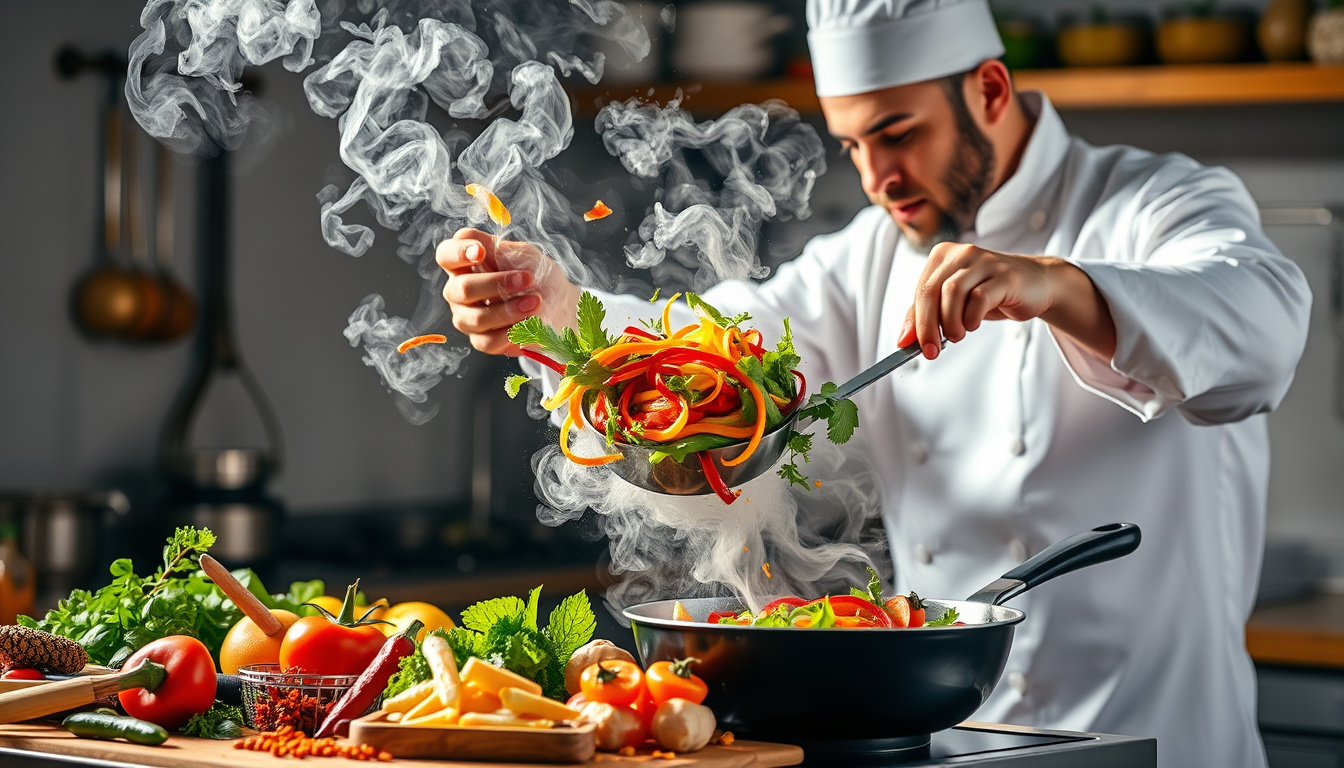
- Use a spatula or toss the pan frequently to keep the pieces moving.
- For stir-fries, quick, continuous tossing helps vegetables stay crisp.
2. Simmering or Stewing
In dishes like sauces, soups, or braises, occasional stirring prevents ingredients from settling and sticking to the pot bottom:
- Stir frequently but gently to avoid breaking delicate items.
- Adjust heat so the dish simmers gently, reducing the chance of scorching.
- Keep an eye on denser ingredients that settle first; these especially need movement to cook evenly.
3. Baking and Roasting
Even roasting benefits from movement:
- Toss vegetables or ingredients halfway through cooking to promote even browning.
- Use oil to coat evenly, which aids movement and flavor.
- Avoid crowding the pan so that each piece can brown, not steam.
Tools to Help Keep Ingredients Moving
- Wooden or silicone spatulas: Excellent for stirring and scraping without damaging cookware.
- Wok spatulas or turners: Curved and thin for tossing stir-fries.
- Tongs: Useful for flipping or gently tossing heavier ingredients.
- Non-stick and well-seasoned pans: Minimize sticking and make movement easier.
Practical Tips to Incorporate This Technique
- Plan meals that include one "base" ingredient cooked with movement, like a stir-fry or sautéed greens.
- Prepare ingredients uniformly sized for even cooking.
- Avoid multitasking too much—you want to give your dish regular attention to keep stirring or tossing.
- Combine ingredient movement with proper heat control—too hot and food burns quickly, too low and it stews unevenly.
The Bigger Picture: Food Transparency and Cooking from Scratch
While modern food systems complicate ingredient labeling and consumer understanding, cooking at home using simple methods like keeping ingredients moving gives you greater control over what you consume. By mastering these basic cooking principles, anyone can reduce reliance on processed foods and confusing labels, creating nutritious and delicious meals with confidence and clarity.
By maintaining constant motion during cooking, you unlock the full potential of each ingredient’s flavor and texture. This straightforward yet highly effective step elevates your home cooking, ensuring every dish is evenly cooked, perfectly textured, and bursting with taste. So next time you’re at the stove, keep your ingredients moving and watch your culinary creations transform.