Mandy Croft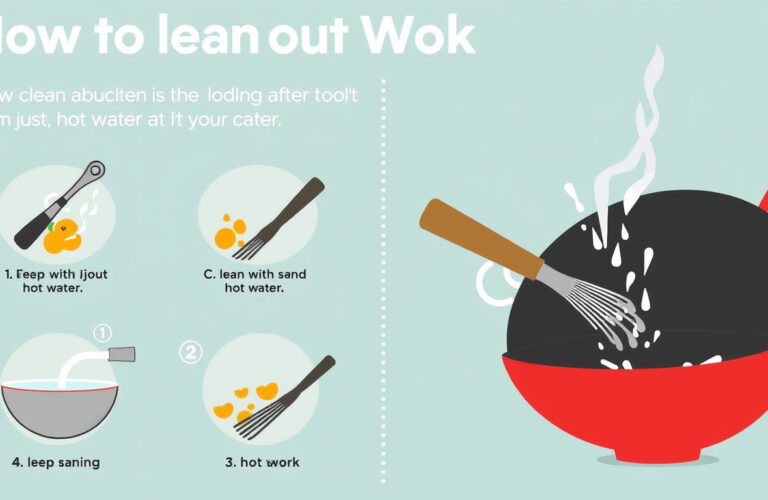
A trusty wok is a kitchen essential for stir-frying, deep-frying, steaming, and countless other culinary techniques. To keep it performing at its best, proper cleaning and seasoning are crucial. While many reach for soap or scrubbing pads, experienced cooks often swear by a minimalist approach: cleaning the wok with hot water only. This guide explores how and why this simple method works, especially for carbon steel and cast iron woks, preserving their natural nonstick surface and extending their lifespan.
Why Clean a Wok with Hot Water Only?
Woks made of carbon steel or cast iron develop a natural seasoning through use—thin layers of polymerized oil that protect the metal and create a nonstick cooking surface. Using harsh detergents or abrasive scrubbing can strip away this seasoning, leading to rust and food sticking problems.
Cleaning with just hot water:
- Maintains and builds the seasoning.
- Prevents the wok from rusting.
- Avoids chemical residues that might taint the flavor.
- Is simple and quick, encouraging consistent care.
This method suits woks that are well-seasoned but can also adapt to less seasoned ones with some care.
Step-by-Step Guide to Cleaning Your Wok with Hot Water
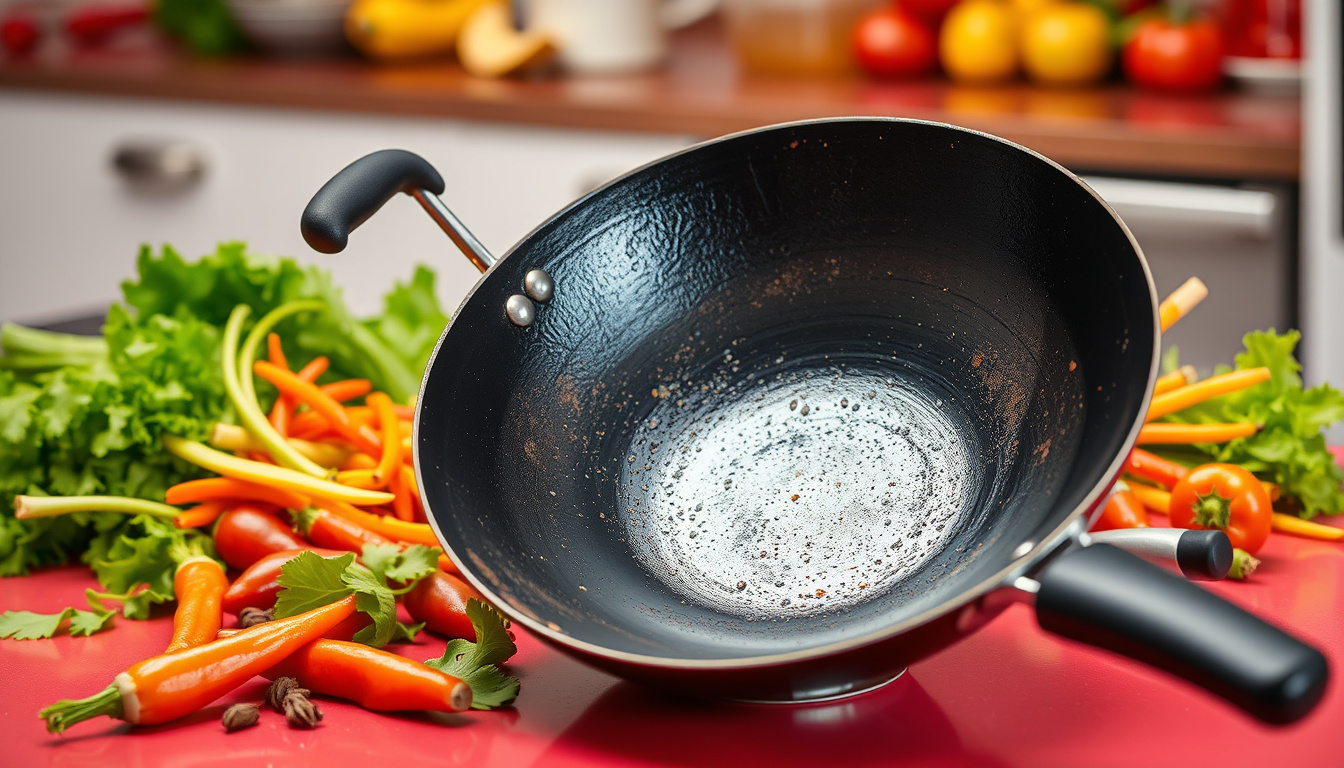
1. Clean While Still Warm
Right after cooking, while the wok is still warm (not piping hot to avoid burns), bring it to the sink. The warmth helps loosen food particles.
2. Rinse with Hot Water
Turn on the hot water tap to a warm temperature. Rinse the inside and outside of your wok with the hot water alone. Hot water helps break down oils and food residues without damaging the seasoning.
3. Gently Scrub if Needed
If small bits of food remain stuck, use a soft sponge or a bamboo wok brush. Avoid steel wool or harsh scouring pads unless you’re removing rust or extremely stuck-on material, as these can harm the seasoning.
4. Boil Water for Stubborn Residue
For tougher stuck food, add a cup or two of water to the wok and bring it to a boil on the stove. The boiling water loosens the residue, allowing you to scrape it off easily. This method also sanitizes the wok naturally.
5. Dry Immediately
After rinsing, dry your wok promptly to prevent rust. Wiping it with a clean towel followed by placing it on a stove burner over low heat for a few minutes is an excellent way to ensure it’s bone dry.
6. Reapply a Thin Layer of Oil (Optional but Recommended)
Once dry, add a tiny amount of high smoke point oil (like vegetable or canola oil) – only about half a teaspoon. Use a paper towel to spread the oil evenly inside the wok while heating it gently on medium heat. This step helps maintain the seasoning and keeps your wok rust-free.
Addressing Common Concerns
Is hot water enough to kill bacteria?
Yes. The combination of heat from cooking and rinsing with hot water is typically sufficient to sanitize your wok, especially when food doesn’t stick.
What about using soap occasionally?
Some chefs recommend avoiding soap entirely, but a gentle soap used sparingly when the wok is heavily soiled is not disastrous. If you choose soap, re-season your wok afterward to restore the protective layer.
I see rust forming; what should I do?
Rust can appear if moisture lingers. Simply scrub rust spots gently, rinse, dry thoroughly, then oil and heat the wok to rebuild the protective seasoning.
Tips to Keep Your Wok in Prime Condition
- Season your wok properly: A well-seasoned wok has a dark patina and cooks food more evenly.
- Avoid soaking: Do not leave your wok soaking in water; it increases the risk of rust.
- Use the right utensil: Wooden or bamboo utensils are ideal to protect the seasoning.
- Cook often: Regular use improves the seasoning and prevents rust from developing.
Why This Method Works Best for Carbon Steel and Cast Iron Woks
Carbon steel and cast iron are porous metals that benefit from the seasoning process. Cleaning with hot water respects their surface, gradually building a resilient, naturally nonstick coating. By avoiding harsh cleaners, you protect the wok’s integrity, encourage better cooking performance, and enjoy a lifetime of flavorful meals.
Final Thoughts
Cleaning your wok with just hot water is an easy, effective, and time-tested method that fosters the perfect cooking surface without extra fuss. With a little patience and consistent care, your wok will develop a beautiful, blackened patina and remain a centerpiece for your kitchen adventures.
Enjoy your next stir-fry knowing your wok is freshly cleaned, seasoned, and ready for action!