Mandy Croft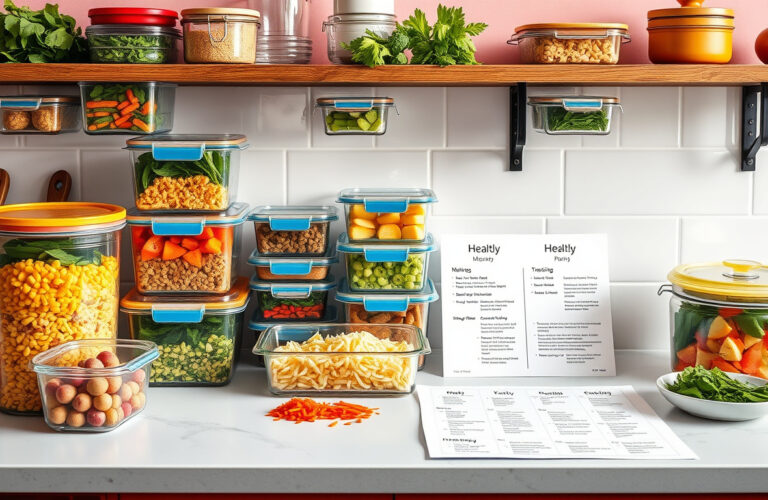
In today’s fast-paced world, finding time to prepare healthy home-cooked meals can be challenging. Batch cooking—preparing larger quantities of food at once to be used over several days or weeks—is a practical solution that saves time, reduces stress, and promotes healthier eating habits. Whether you are a busy professional, a parent juggling multiple schedules, or simply someone looking to eat well without spending hours in the kitchen every day, mastering batch cooking can transform your approach to meals. This article distills expert tips and proven strategies to help you embrace batch cooking effectively.
What Is Batch Cooking?
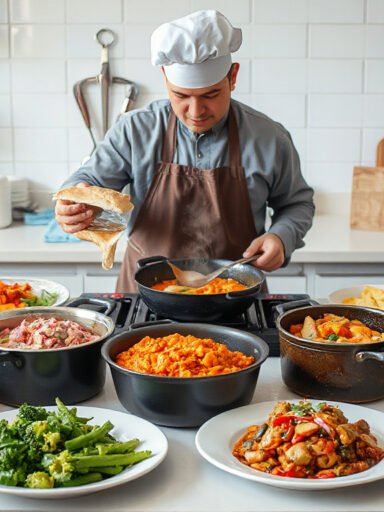
At its core, batch cooking means preparing food in larger quantities than needed for a single meal, then storing it for later use. This can take several forms:
-
Cooking Complete Meals in Bulk
Prepare entire dishes like casseroles, soups, or baked entrees, cook them fully, and then freeze or refrigerate portions. This method allows you to reheat ready-to-eat meals with minimal effort on subsequent days. -
Freezing Prepped Meals Uncooked
Assemble complete meals or meal components in freezer-safe containers or bags without cooking them. When it’s time to eat, thaw and cook the meal fresh. This approach frees up freezer space and can maintain better texture or flavor for some dishes. -
Batch Cooking Meal Components
Cook and portion staples such as grains (rice, quinoa), proteins (shredded chicken, cooked beans), or vegetables in bulk. Freeze or refrigerate these components to be combined in various recipes throughout the week, offering great flexibility in meal planning.
Benefits of Batch Cooking
-
Saves Time on Busy Days
Preparing meals or ingredients ahead means less cooking during hectic weeknights, cutting down time spent in the kitchen from scratch. -
Promotes Healthier Eating
Home-cooked batch meals typically contain higher amounts of vegetables, lean proteins, and less processed ingredients than take-out or convenience foods. -
Saves Money
Buying ingredients and bulk items on sale or in larger quantities lowers food costs. Batch cooking also reduces the temptation to order expensive takeout or eat out. -
Reduces Food Waste
Portioning and storing meals properly prevents leftovers from spoiling, stretches the use of perishable items, and helps you make the most of seasonal produce.
Essential Strategies for Successful Batch Cooking
-
Plan Your Batches According to Your Schedule and Preferences
Understand how many meals you need to prepare and how often you want to cook. Some prefer one big cooking session weekly, while others might freeze leftovers nightly to build a freezer stash gradually. -
Invest in the Right Storage Solutions
Use freezer-safe bags, containers, and glass baking dishes. Label items clearly with contents and dates to keep track of freshness. -
Focus on Versatile Foods and Proteins
Batch cook proteins like hard-boiled eggs, shredded chicken, lentils, or meatballs that can be mixed into various meals. Batch cooking proteins efficiently accelerates meal assembly throughout the week. -
Cook More Than You Need
For example, make at least double the usual amount of rice or beans at once, freezing individual portions sized for your family. Overshooting your portions ensures leftovers for lunches or other meals. -
Utilize Kitchen Appliances
Slow cookers, Instant Pots, and ovens enable you to prepare large quantities with minimal hands-on time. For instance, cooking a whole chicken or beans in a pressure cooker saves time and effort. -
Batch Bake Breakfast and Snack Items
Muffins, egg casseroles, breakfast burritos, and waffles freeze and reheat well, giving you quick nutritious options for busy mornings. -
Incorporate Seasonal and Sale Items
Buy fruits and veggies at their peak and freeze or cook them in batches to enjoy their nutrition year-round at a better price.
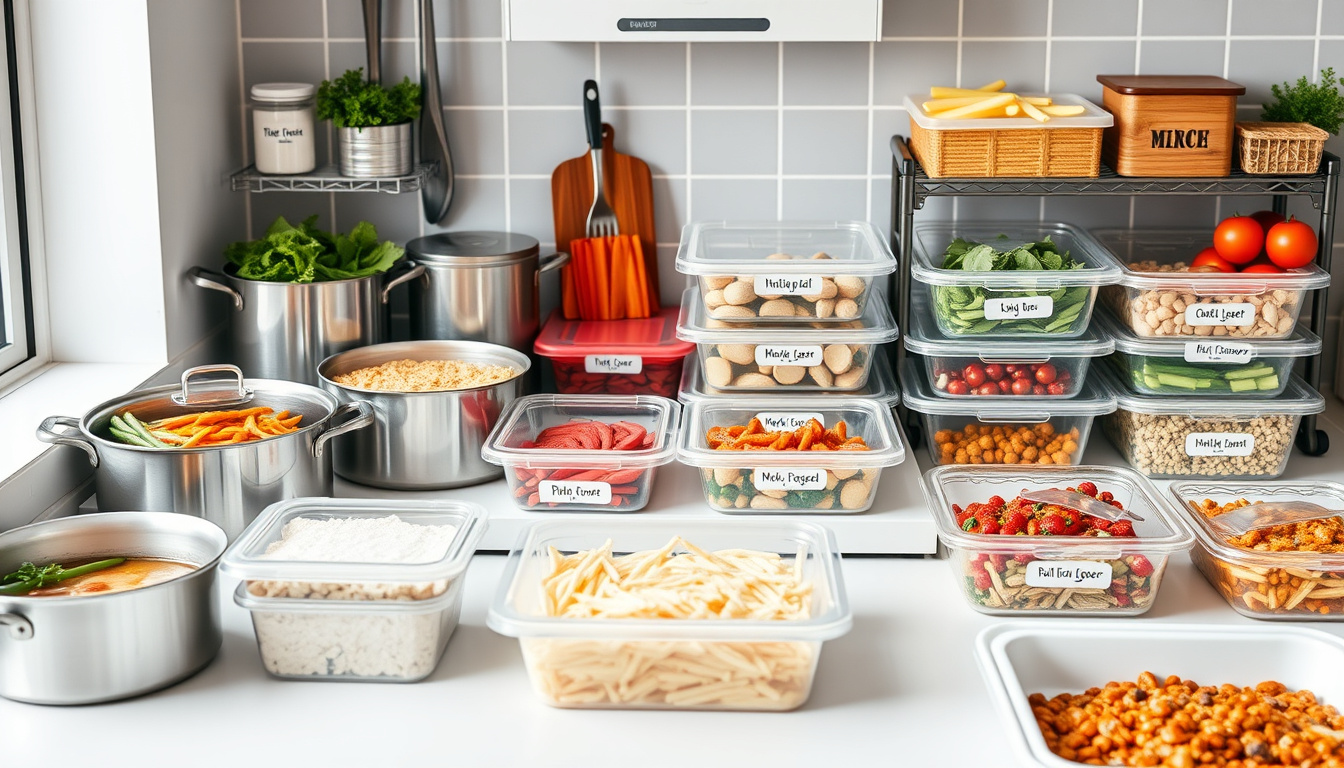
Practical Batch Cooking Examples
- Breakfast: Hard-boiled eggs, muffin batches, frozen breakfast burritos or waffles.
- Lunch/Dinner: Soups like minestrone or chili that freeze well; casseroles such as stuffed peppers or enchiladas; proteins like pulled pork or meatballs.
- Staples: Brown rice, quinoa, cooked legumes portioned into freezer bags.
Batch Cooking Mindset: Embrace Planned Leftovers
One of the key mindset shifts is viewing leftovers as planned, not as extra. When planning meals, intentionally cook double or triple quantities so that the extra portions serve as ready-made meals later or can be frozen for future use. This foresight relieves the overwhelming question of “what’s for dinner?” and reduces mealtime stress.
Conclusion
Cooking in batches is a highly effective way to simplify meal preparation, improve nutrition, save money, and reduce the daily pressure of cooking. By choosing a batch cooking method that fits your lifestyle—whether cooking full meals, prepping ingredients, or freezing uncooked meals—you can maximize your kitchen time and enjoy the benefits of homemade, wholesome food without daily cooking. Start small with batch cooking proteins or staples, then gradually build your freezer inventory. With a bit of planning and practice, batch cooking will become an indispensable part of your routine, making healthy eating convenient and sustainable.