Mandy Croft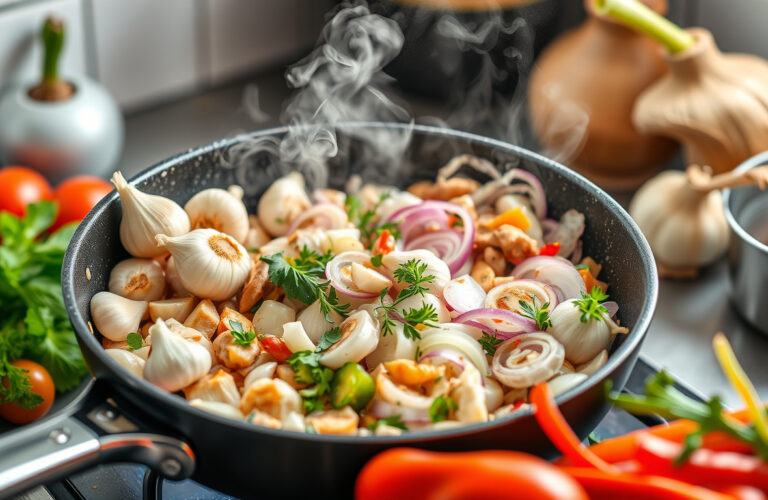
To create richly flavored dishes, remember one vital culinary secret: add aromatics early.
Whether you are simmering a stew, sautéing a stir-fry, or braising a roast, this simple step makes a huge difference.
Adding aromatics like onions, garlic, ginger, and celery at the beginning forms the essential flavor foundation of your dish.
In this article, you will discover exactly why this technique elevates your everyday cooking:
Maximum flavor extraction: Unlocks deep tastes right from the start.
Perfect melding: Allows ingredients to blend seamlessly.
We will also cover:
How to properly prepare your aromatics.
Pro tips for experimenting across various global cuisines.
Master this essential cooking technique and take your culinary skills to the next level today!
What Are Aromatics and Why Add Them Early?
Aromatics are vegetables, herbs, and sometimes spices or meats that release fragrant oils and flavors when heated. Common aromatics include garlic, onions, ginger, celery, carrots, and herbs like thyme and parsley. When cooked gently in fat—such as oil, butter, or coconut milk—these ingredients infuse the cooking medium with complex aromas that build depth in the finished dish.
Adding aromatics early allows their flavors to slowly unfold and integrate with other ingredients during cooking. For example:
- In stocks and soups, simmering whole or roughly chopped aromatics releases subtle sweetness and savory flavors that define the broth.
- In sautés and stir-fries, finely diced aromatics release their fragrance quickly, creating a savory base before other ingredients join the pan.
- In sauces, braises, and curries, heating aromatics first unlocks nuanced layers of flavor that enrich the dish’s body.
Put simply, omitting aromatics or adding them late often results in flat, one-dimensional taste.
Preparing Aromatics: Chopping Matters
How you prepare aromatics depends on whether they remain in the final dish or are removed later:
- For infusing liquids (stocks, broths): Rough chopping, halving, or leaving whole pieces is fine because the aromatics will be strained out. Large pieces still release flavor into the cooking liquid without getting mushy.
- For incorporation into the dish (stews, sautés, sauces): Finely dice or mince aromatics to increase surface area, helping them cook evenly and release maximum flavor quickly. Smaller pieces also blend better into the texture of the dish, melting away and becoming part of the experience.
Learning to dice onions, grate ginger, peel garlic, and chop celery properly will save time and improve results. Using consistent sizes avoids uneven cooking and bitterness.
Classic Aromatic Combinations Around the World
Adding aromatics early is a universal technique, but different cuisines have signature blends that anchor their flavors:
- French: Mirepoix—a mix of onions, carrots, and celery cooked slowly in butter or oil. Often paired with herbs like thyme or bay leaves.
- Italian: Soffritto—similar to mirepoix but sometimes includes garlic and parsley.
- Chinese: Ginger, garlic, and green onions stir-fried in oil form the base of many stir-fries.
- Indian and Thai: Curry bases often begin with fried garlic, ginger, onions, plus chilies and spices.
- Middle Eastern: Onions and garlic cooked with spices to celebrate warm, deep flavors.
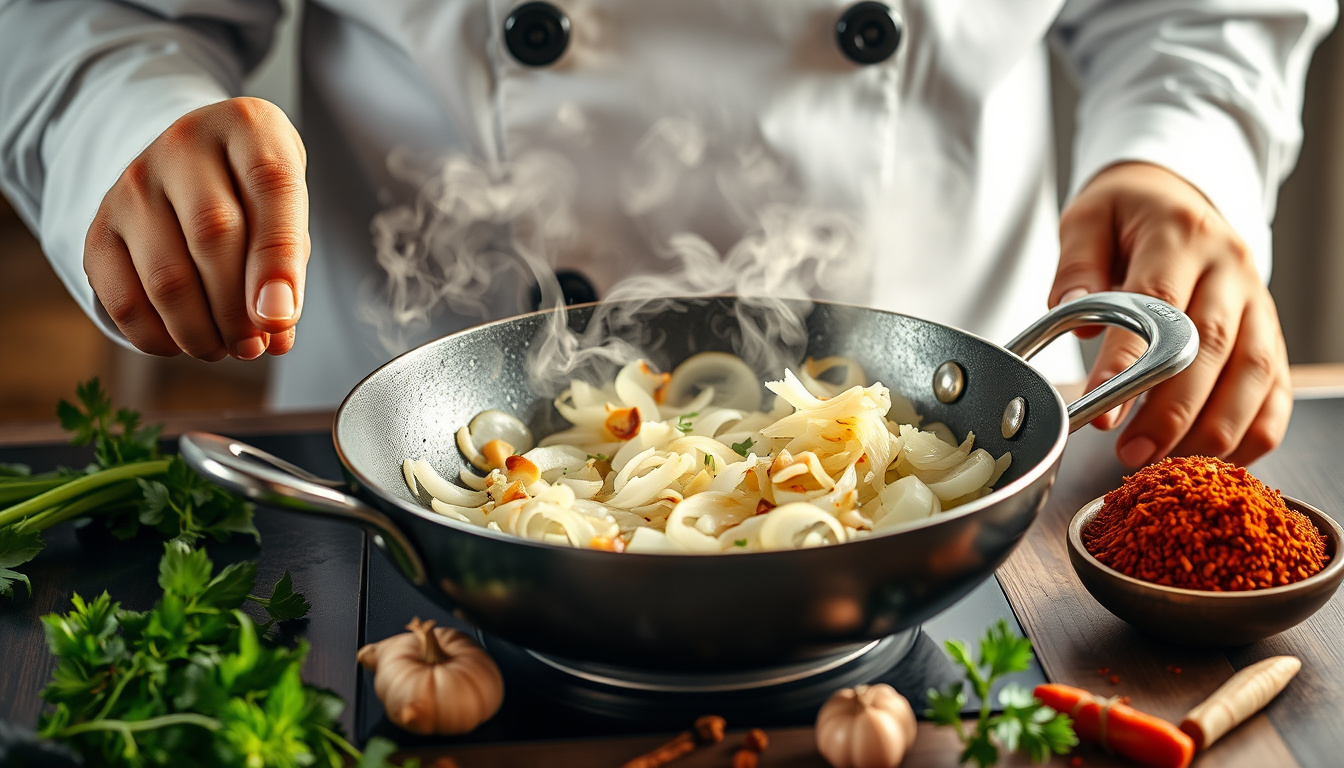
Feel free to explore and blend these combinations—adding a pinch of ginger to a French dish, for example, can awaken the flavors in delightful ways.
Practical Tips for Cooking with Aromatics Early
- Cook aromatics gently at first: Start over medium-low heat to avoid burning; hard searing can cause bitterness. The goal is to sweat or lightly brown, releasing sweetness and aroma.
- Use the fat to transfer flavor: Butter, olive oil, or coconut milk help extract and carry the fragrances throughout your dish.
- Embrace flexibility: If you don’t have all the traditional ingredients for a combo, use what’s available. Your dish will still benefit from the flavor boost.
- Adjust quantities to your preference: Love garlic? Add more. Not a fan of celery? Use less or omit. Trust your palate.
- Add aromatics before main ingredients: Let the aromatics heat and release flavor first before adding vegetables, meats, or liquids to build a strong flavor foundation.
- When boiling, add aromatics first: If simmering stocks or soups, place aromatics in water before bringing to a boil to maximize flavor extraction.
Conclusion
Cooking with aromatics early is a simple but powerful method to transform everyday dishes into deeply flavorful experiences. By gently heating these foundational ingredients at the start, you unlock sweet, savory, and fragrant notes that permeate your food. Take time to prepare your aromatics properly and experiment with different combinations to discover new flavor profiles. Next time you cook, remember: the key to unlocking a dish’s soul often lies in those humble aromatics, added early and treated with care.
Quick Aromatic Addition Checklist:
- Start with fat (oil, butter)
- Add aromatics (onion, garlic, ginger, celery, carrots)
- Cook gently until fragrant and softened
- Then add other ingredients (vegetables, meats, liquids)
- Adjust aromatic ratios to taste
- Experiment with ethnic combinations
Embrace this technique, and enjoy the enticing aromas wafting from your kitchen as you unlock layers of irresistible flavor in every meal.