Mandy Croft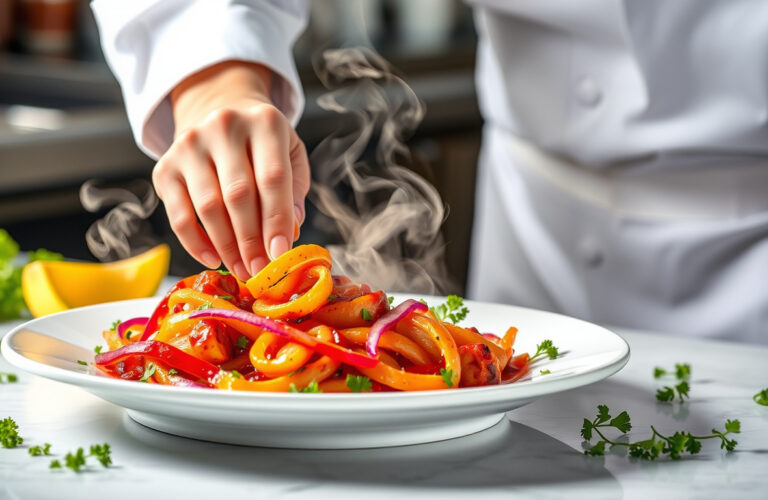
In the culinary world, pushing cooked ingredients to the side of the pan is a fundamental skill.
This simple technique can elevate your cooking from good to exceptional.
It offers several great benefits:
Better control: Manage the cooking process for each component easily.
Improved integration: Mix ingredients smoothly when the time is right.
Flawless melding: Ensure flavors truly come together perfectly.
Try using this method for various dishes:
Scrambled eggs
Seafood salads
Complex dishes (like baked beans with ground beef and bacon)
Mastering this technique will greatly enhance the quality and consistency of your daily meals.
Why Push Cooked Ingredients to the Side?
When cooking multiple components in one pan, ingredients will often have differing cooking times and temperature needs. Pushing cooked items to the side serves several purposes:
- Prevents overcooking: Keeping already cooked ingredients to the side avoids overexposure to heat.
- Allows cooking of additional items: Frees up space in the center of the pan for ingredients that require more time.
- Flavor layering: Enables you to add seasonings or sauces directly to the hot pan area, infusing flavors before mixing everything together.
- Efficient heat management: Helps maintain appropriate heat distribution, especially when working with butter or oil.
How to Properly Push Cooked Ingredients to the Side: Step-by-Step
1. Use the Right Tools
A wide, non-stick or well-seasoned skillet paired with a sturdy spatula or wooden spoon is ideal. This combination provides enough surface area and control to maneuver ingredients without damaging their integrity.
2. Cook the First Ingredient(s) Thoroughly
Begin by cooking the ingredient(s) that take the longest. For example, when making a seafood salad, cooking shrimp first until fully pink ensures they are done before adding more delicate items like crab meat or pre-cooked lobster.
3. Push Cooked Ingredients Gently to the Side
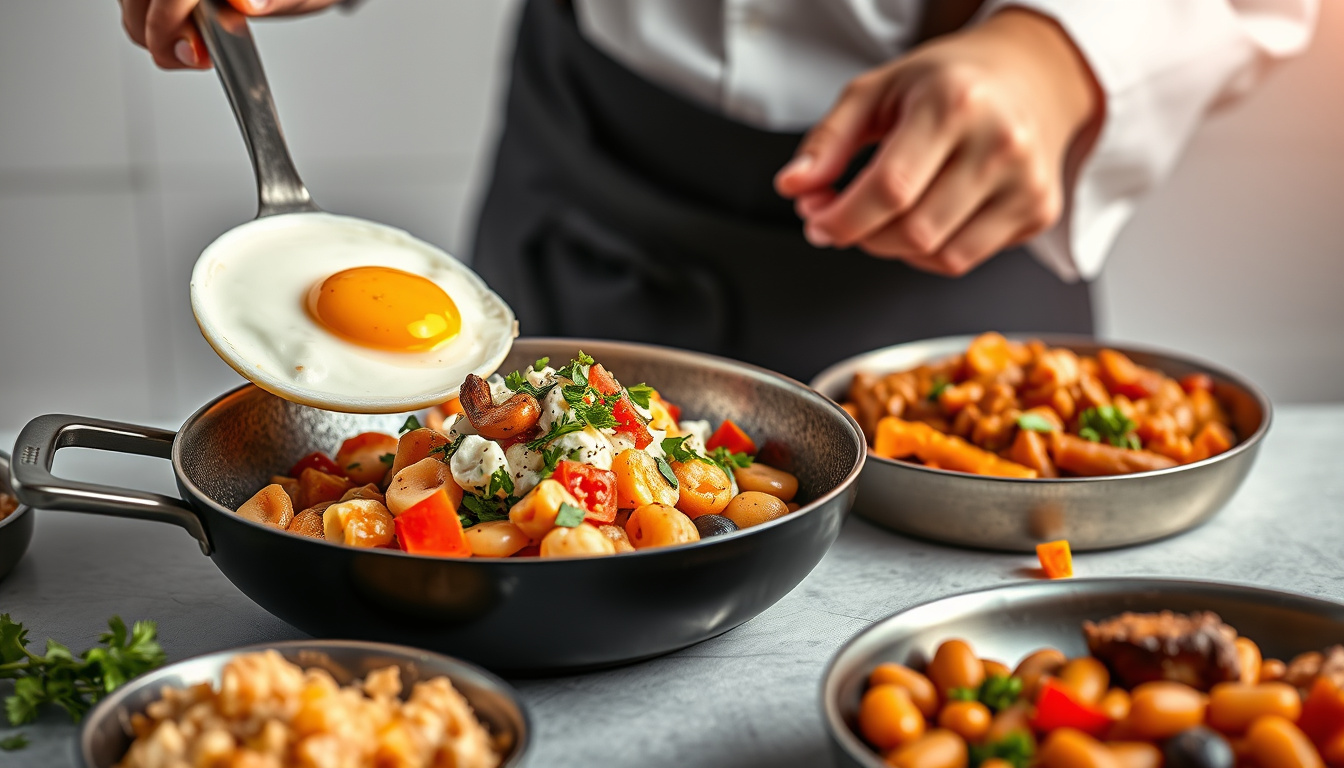
Once cooked, carefully slide or scoop the ingredient to the periphery of the pan, leaving the central area free. Use your spatula to nudge them along the edge; avoid overcrowding the pan to prevent steaming instead of searing.
4. Utilize the Center for Other Cooking Tasks
With the cooked food safely to the side, you can add other ingredients needing attention—such as sautéing onions, roasting garlic, or crisping bacon in the center where the heat is more intense.
5. Combine and Finish Cooking Together if Needed
After other ingredients have softened or cooked through, fold the pushed-aside ingredients back into the pan for a final flavor meld. This is especially important for dishes that benefit from a unified taste profile, like a creamy seafood salad or baked beans with vegetables and meat.
Practical Examples in Home Cooking
Scrambled Eggs
A popular method involves cooking eggs partially, then pushing them aside to add butter or seasoning into the cleared space before folding the eggs back. This guarantees creamier, more evenly cooked eggs with optimal flavor distribution.
Seafood Salad Base
In a seafood salad preparation, shrimp can be cooked in butter with lemon juice and seasoning, then pushed aside while warming pre-cooked lobster and crab. This not only keeps the delicate shellfish from becoming rubbery but also ensures each component is heated properly before combining.
Savory Baked Beans with Ground Beef and Bacon
When preparing baked beans with layers of flavor—bacon rendered slowly in a cold skillet, then ground beef browned in bacon fat—pushing cooked bacon to the side while cooking beef ensures the flavors do not blend prematurely and that proper textures develop. Vegetables like diced bell peppers and onions can then be added to the center for sautéing before combining all components.
Tips for Success
- Maintain medium heat: Too high of a temperature can burn pushed-aside ingredients.
- Keep ingredients uniform in size: Even cuts ensure even cooking and make shifting ingredients easier.
- Use fats wisely: Butter, bacon fat, or olive oil help prevent sticking and enhance flavor when cooking in stages.
- Taste and adjust seasoning at each stage: Layering seasoning during cooking allows you to build complexity without overpowering any element.
Conclusion
Mastering the technique of pushing cooked ingredients to the side of the pan is a simple yet powerful skill that gives you control over cooking timing, texture, and flavor balance. This approach is especially useful when juggling multiple components in recipes ranging from scrambled eggs to elaborate seafood salads and hearty baked beans with meats and vegetables. By incorporating this method into your cooking routine, you’ll craft dishes that look delightful and taste flawless, every time.