Mandy Croft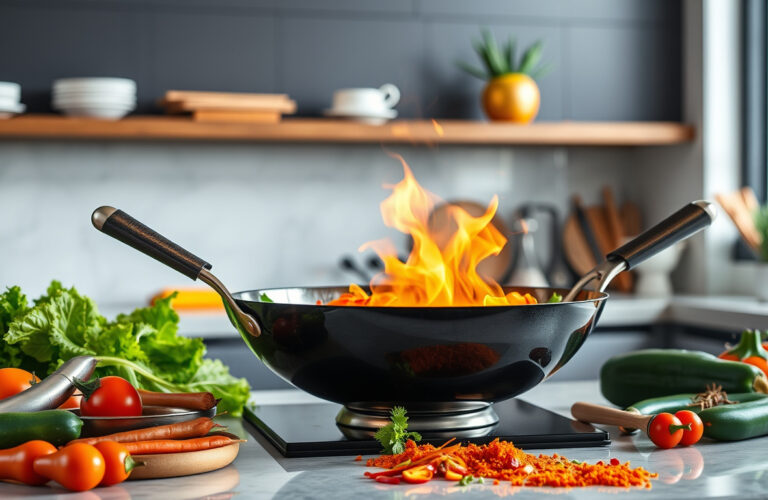
Using a wok is an exciting journey that bridges tradition with modern cooking efficiency. One step that separates a hastily tossed stir-fry from a restaurant-quality dish is preheating the wok thoroughly. This vital practice ensures your ingredients cook evenly, retain texture, and deliver vibrant flavors. Let’s explore why preheating your wok is essential, how to do it properly, and other expert tips to master stir-frying and wok cooking.
Why Preheat the Wok Thoroughly?
The wok’s distinctive curved shape and material (usually carbon steel or cast iron) allow it to withstand very high heat, which is crucial for authentic stir-frying. Here’s why preheating matters:
- Quick Searing and Browning: When the wok is hot enough, food touches a superheated surface, triggering the Maillard reaction—responsible for that desirable golden crust and rich flavor.
- Avoids Steaming: A cold wok with ingredients causes moisture release, steaming the food rather than searing it. Preheating creates an instant sizzle that locks in juices and texture.
- Maintains Cooking Temperature: Adding cold ingredients to a hot wok keeps the overall temperature high. If the wok isn’t preheated, the temperature dips too low, resulting in soggy, unevenly cooked dishes.
- Prevents Food from Sticking: A well-heated wok improves the natural nonstick qualities, especially if it is properly seasoned.
The “Water Test” for Wok Readiness
One simple way to check if your wok is hot enough is the water test. Flick a few drops of water into the wok:
- If the water evaporates immediately on contact, the wok has reached the right temperature.
- If it twirls and evaporates slowly, the wok needs more time.
This test ensures your wok is ready to deliver that crucial high heat cooking environment.
How to Properly Preheat Your Wok
- Start with a Clean, Dry Wok: Moisture hinders heating and promotes sticking.
- Place Wok on the Burner: Set your burner to medium-high or high heat without any oil or food inside.
- Allow the Wok to Heat Evenly: Depending on your stove and wok material, this can take 1 to 3 minutes.
- Test with the Water Flick: Check if it evaporates instantly.
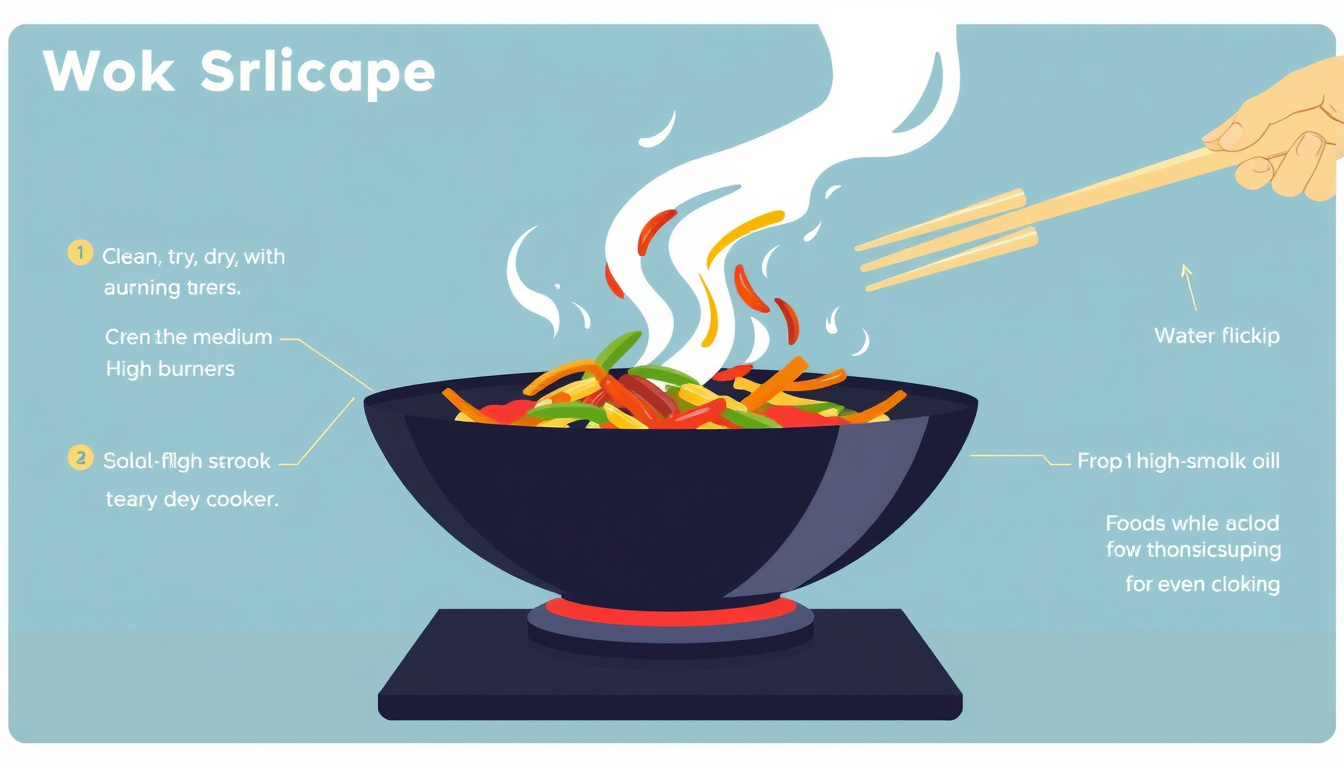
- Add Cold Oil Only After Heating: Once the wok passes the water test, add an oil with a high smoke point such as peanut, grapeseed, or vegetable oil. Adding cold oil to a hot wok prevents burning the oil and achieves an even cooking surface.
Additional Expert Tips for Wok Cooking Success
- Season Your Wok: Like cast iron, carbon steel woks gain flavor and performance through seasoning. This nonstick patina develops over time as oil seeps into the metal pores.
- Use Dry Ingredients: Even slight moisture can dampen the wok’s heat and cause steaming.
- Cut Uniform Pieces: Ensures consistent cooking times and prevents parts from being over- or undercooked.
- Cook in Batches: Avoid overcrowding the wok, which drops the temperature and steams food instead of stir-frying.
- Master the Toss: Tossing ingredients keeps food moving for even contact with the hot surface, distributing heat and flavors while preventing sticking or burning.
- Choose the Right Oil: Oils with high smoke points withstand wok temperatures without smoking or imparting bitterness.
Beyond Stir-Frying: Versatility of the Wok
The wok isn’t limited to stir-frying. Once you’ve mastered preheating and heat control, you can explore:
- Steaming: Using a rack and water in the wok for dumplings or vegetables.
- Deep-frying: The wok’s shape minimizes oil splatter and provides temperature control.
- Braising and Simmering: Excellent for slow-cooked dishes leveraging the wok’s depth.
Conclusion
Thoroughly preheating your wok is a small but essential step that transforms your cooking from average to exceptional. It unlocks the fundamental benefits of the wok—high heat, fast cooking, and vibrant flavor development. Coupled with proper seasoning, ingredient prep, and heat management, your wok will become your go-to tool for creating delicious, perfectly textured meals every time.
Master the preheat, embrace the sizzle, and enjoy the art of wok cooking!
Quick Guide: Preheat the Wok Thoroughly
| Step | Description |
|---|---|
| Clean & dry wok | Remove moisture for even heating |
| Heat empty wok on burner | Medium-high heat for 1–3 minutes |
| Water test | Flick water; instant evaporation means ready |
| Add cold high-smoke oil | Prevents burning and promotes flavor |
| Start cooking immediately | Keep food moving for even cooking |
By mastering the heat, you’ll master the wok—happy cooking!