Mandy Croft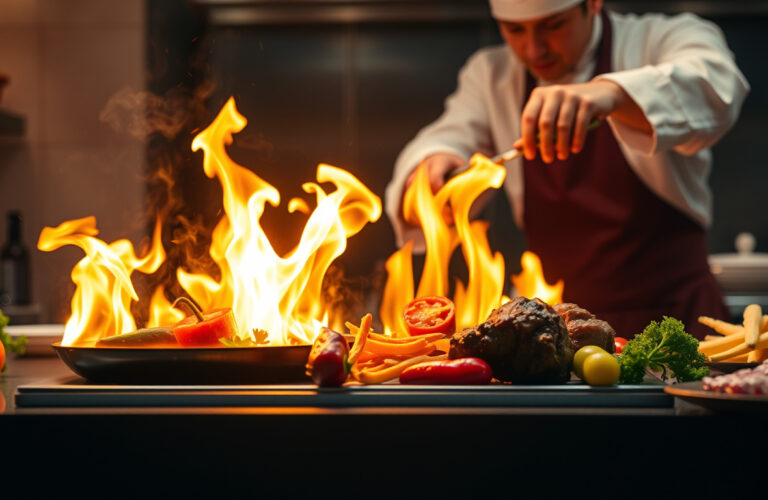
Cooking with high heat is a technique that can transform everyday meals into extraordinary culinary experiences. When wielded skillfully, it enhances flavor development, delivers delightful textures, and speeds cooking. However, understanding when and how to use high heat is essential for achieving consistent results and avoiding common pitfalls like burnt or unevenly cooked food. This article explores the purpose of high heat in cooking, how to use it effectively, and tips for balancing heat levels for optimal flavor and texture.
The Role of High Heat in Cooking
High heat serves specific functions in the kitchen, primarily centered around rapid cooking processes such as searing and evaporation:
- Searing: High heat quickly browns the surface of proteins and vegetables, creating the Maillard reaction—a chemical process that develops rich, complex flavors and an appetizing crust.
- Evaporation: Intense heat reduces moisture swiftly, which is vital for caramelization and concentrating flavors, such as when deglazing pans or reducing sauces.
- Texture Formation: High heat helps achieve a crispy exterior while maintaining a juicy interior in meats and certain vegetables.
Despite these benefits, it’s important to recognize that high heat isn’t an all-purpose setting but a tool to be used at precise moments in cooking.
When to Use High Heat
Many beginner cooks have a tendency to cook everything on high heat from the start, which often leads to burnt edges and undercooked interiors. Instead, professional cooks and culinary experts recommend a more strategic approach:
- Start with Medium or Medium-High Heat: Begin cooking on medium heat to warm the pan evenly. This helps prevent scorching and allows food to cook uniformly.
- Finish with a Burst of High Heat: Use high heat selectively to sear meats, crisp vegetables, or quickly evaporate excess moisture near the final stage.
- Use High Heat for Quick Tasks: Tasks such as sautéing onions, garlic, or aromatics might require lower heat for flavor development, while tasks like stir-frying or pan-searing benefit from a rapid high temperature.
Balancing Heat Zones for Better Flavor and Texture
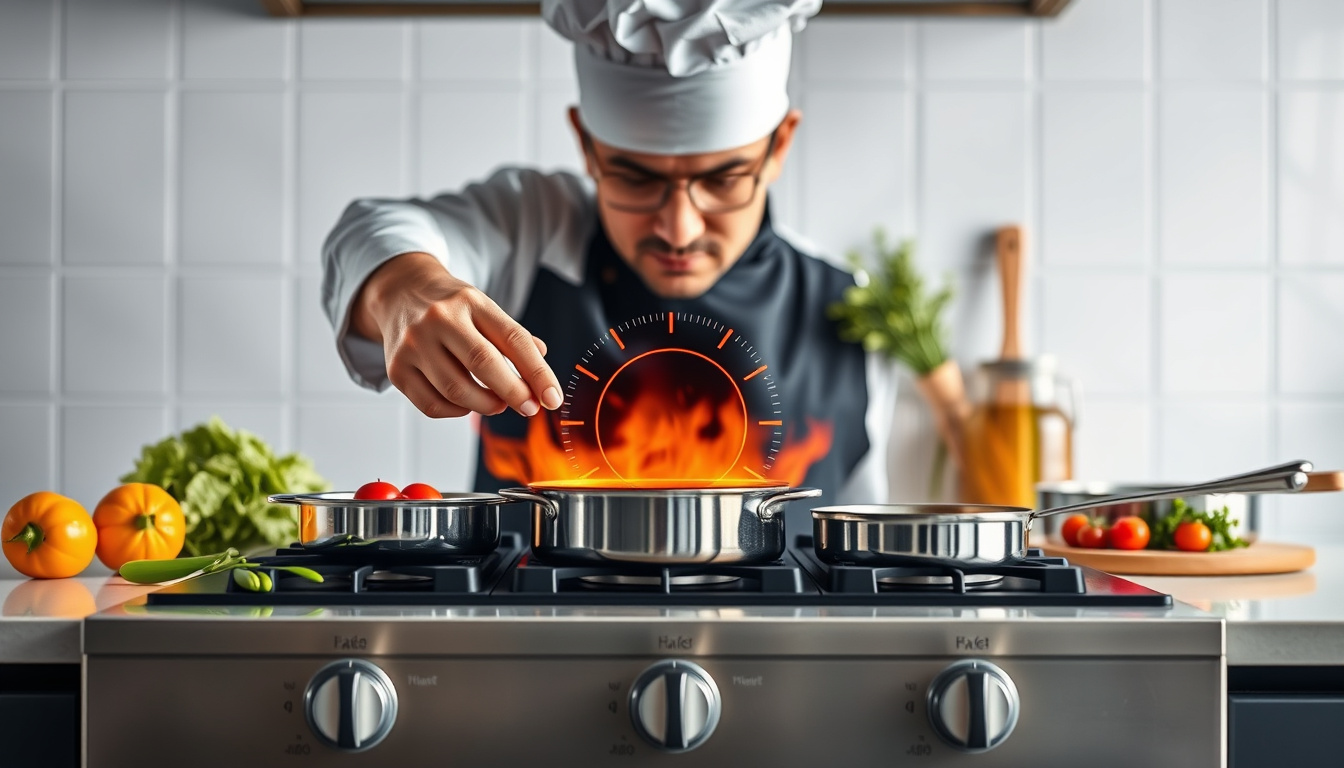
Understanding the different heat zones on your stove or cooking surface allows for cleaner flavor decisions and more controlled cooking:
- Low Heat: Ideal for gentle cooking techniques such as simmering, poaching, and developing flavor foundations with aromatics like herbs and garlic.
- Medium Heat: The everyday workhorse for cooking most dishes evenly without burning. It offers control and suits tasks like sautéing and pan-frying.
- High Heat: Reserved for quick, high-impact cooking steps such as searing steaks or stir-frying vegetables.
By adjusting heat mindfully based on these zones, cooks can achieve better browning, fewer burnt spots, and overall improved flavor profiles.
Tips for Cooking with High Heat
- Preheat Your Pan: Give your pan time to reach the right temperature before adding food. A properly heated pan ensures even cooking and prevents sticking.
- Use the Right Cookware: Heavy-bottomed pans such as cast iron skillets retain heat better, making them excellent for high-heat cooking.
- Control Oil Smoke Points: Use oils with high smoke points (e.g., avocado oil, grapeseed oil) when cooking at high temperatures to avoid burnt or bitter flavors.
- Don’t Overcrowd the Pan: Adding too much food reduces the pan’s temperature, leading to steaming instead of searing.
- Mind the Timing: High heat acts fast—stay attentive to avoid burning. Flip or stir food quickly and precisely.
Experimenting with Heat Adjustments
Small adjustments in temperature management can create significant improvements in the taste and texture of dishes. For instance, starting a skillet on medium heat and allowing it to stabilize before stepping up to high heat tends to produce food that browns beautifully without developing sharp bitterness or scorch marks.
Try switching the initial cooking temperature from high to medium in your next skillet recipe. Notice how the food colors more evenly, the aroma deepens, and the texture improves. These subtle shifts in heat handling are the foundation of advanced cooking techniques that yield delightful flavor and consistency.
Conclusion
Mastering the use of high heat involves more than just turning your stove dial to the maximum setting. It requires understanding heat’s distinct roles in cooking and applying it thoughtfully at key moments. By balancing low, medium, and high heat zones, preheating cookware properly, and selecting appropriate oils, you can elevate your dishes with bold flavors, perfect textures, and professional-level results. Embrace high heat not as a blunt instrument but as a precision tool—this mindful approach will set your cooking apart and ignite your culinary creativity.