Mandy Croft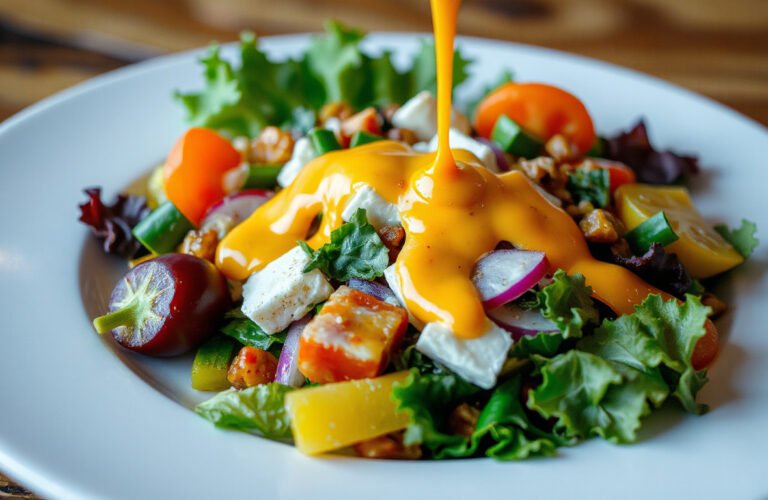
In the world of culinary arts, the final steps of plating and dressing a dish carry immense weight in both flavor and visual impact. Drizzling dressing at the end of preparing a dish is a subtle yet powerful technique that enhances taste, texture, and presentation. This article delves into why and how to master the art of drizzling dressing at the final stage, combining insights on technique, flavor balance, and plating aesthetics for an elevated dining experience.
Why Drizzle Dressing at the End?
Applying dressing at the end of preparation serves several key purposes:
- Preserves the Texture: Adding dressing last keeps your ingredients fresh and crisp, especially in salads. For example, delicate greens or ripe tomatoes retain their natural texture instead of becoming soggy.
- Maximizes Flavor Impact: Freshly drizzled dressing provides an immediate burst of flavor, engaging the palate effectively. The contrast between the cool, fresh ingredients and the flavorful dressing creates a dynamic taste experience.
- Controls Portion and Balance: Drizzling allows for precise control over the amount of dressing used, preventing over-saturation and ensuring a harmonious balance of flavors.
- Enhances Presentation: A thoughtful drizzle adds visual appeal, turning a simple dish into an artistic creation that excites diners even before the first bite.
Mastering the Technique of Drizzling
Drizzling is not merely pouring dressing—it is a skillful process requiring practice and finesse. Here are practical methods to refine your drizzling:
Spoon Drizzling
Using the back of a spoon, you can apply dressing in controlled movements:
- Place a small amount of dressing on the spoon.
- Hold the spoon over the dish and gently move it back and forth or in circular motions, releasing the dressing in thin, attractive lines or dots.
- Adjust pressure to vary the thickness of the drizzle—lighter pressure for fine lines, firmer for broader strokes.
This technique is excellent for creating elegant swirls and controlled patterns on plates or salads.
Squeeze Bottle Drizzling
Fill a squeeze bottle with your dressing for precision and creativity:
- Gently squeeze the bottle to produce consistent and delicate lines or dots.
- This method enables intricate designs such as zig-zags, spirals, or abstract art with your dressing.
- Practice on a separate plate to perfect your hand pressure and flow control before applying to the actual dish.
Both spoon and squeeze bottle methods help balance aesthetics with functional flavor distribution.

Balancing Flavors and Visual Elements
The flavor profile of your dressing should complement the dish’s ingredients. Light vinaigrettes are ideal for fresh salads, while creamier or richer dressings suit heartier dishes. When drizzling at the end, consider these factors:
- Color Contrast: Choose dressings that visually pop against your dish — for example, a vibrant green basil pesto against red tomatoes creates striking visual appeal.
- Texture: A smooth, creamy dressing gives a glossy finish, while a chunky or herb-studded dressing adds textural interest.
- Portion Control: Use just enough dressing to enhance, not overpower. Approximately 1-2 tablespoons per serving is a useful guideline.
- Garnish: Combine your drizzle with fresh herbs, microgreens, or edible flowers to introduce additional color and dimension.
Real-World Example: A Simple Salad with Drizzle at the End
Consider a smashed feta and tomato salad, where chunks of ripe tomatoes and creamy feta are adorned with a final generous drizzle of extra virgin olive oil and a sprinkle of oregano. Applying the oil at the very end maintains the brightness of the tomatoes and delivers a fresh, fruity note that ties the ingredients beautifully. This approach enhances both flavor and visual appeal, making a simple salad look sophisticated and taste vibrant.
Tips to Elevate Your Dressing Drizzle
- Visualize First: Before drizzling, imagine the pattern and placement. Sketching designs can help with symmetry and impact.
- Use Fresh, Quality Ingredients: High-quality oils, vinegars, and herbs make the difference in flavor intensity.
- Practice Control: Steady your hand and start with small amounts, adding more as needed.
- Experiment with Tools: Toothpicks, small brushes, or even chopsticks can create unique effects with dressing application.
Conclusion
Drizzling dressing at the end of your dish preparation isn’t just a finishing touch—it’s a culinary art form that enhances flavor, texture, and presentation in impactful ways. By mastering precise drizzling techniques like spoon or squeeze bottle application, balancing taste and visual harmony, and carefully selecting complementary dressings, you can elevate everyday meals into extraordinary dining experiences. Embrace this technique and watch your dishes transform into memorable masterpieces that delight the eyes and palate alike.