Mandy Croft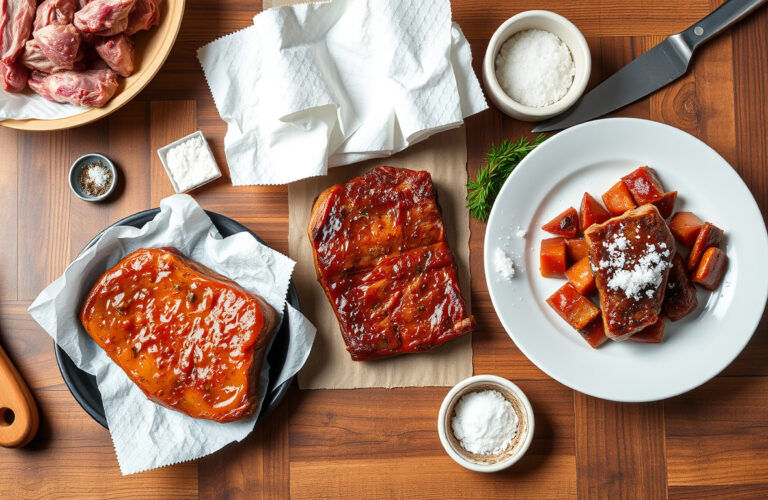
## How to Dry Meat Before Cooking for the Perfect Sear
Want to cook restaurant-quality meat at home?
The secret is removing excess surface moisture.
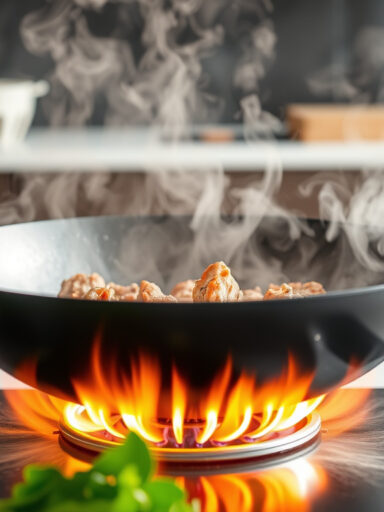
Too much water ruins your sear.
It causes meat to steam instead of brown.
By learning how to dry meat properly, you will unlock:
* Maximized flavor from a deep, rich crust.
* Perfect texture that stays juicy inside.
* Professional results with every single steak or roast.
Why Is Excess Moisture a Problem?
Fresh meat naturally contains a significant amount of water, typically ranging from 60% to 75%, depending on the cut and type. This moisture is largely bound within muscle cells and is essential for juiciness once cooked properly. However, some commercially sold meats, especially supermarket chicken and other cuts, are sometimes infused or “enhanced” with additional water to increase weight and bulk. This added water is not bound naturally to the meat and will readily leak out when heated.
Excess moisture causes problems including:
- Steaming or boiling instead of searing: The meat releases water that pools in the pan, lowering the temperature and preventing the Maillard reaction (browning).
- Loss of flavor: Water dilutes natural meat juices and flavors.
- Unappealing texture: Instead of a crispy or caramelized crust, the meat ends up soft or soggy.
- Longer cooking times: Water must first evaporate before the meat can brown.
Practical Techniques to Remove Excess Moisture from Meat
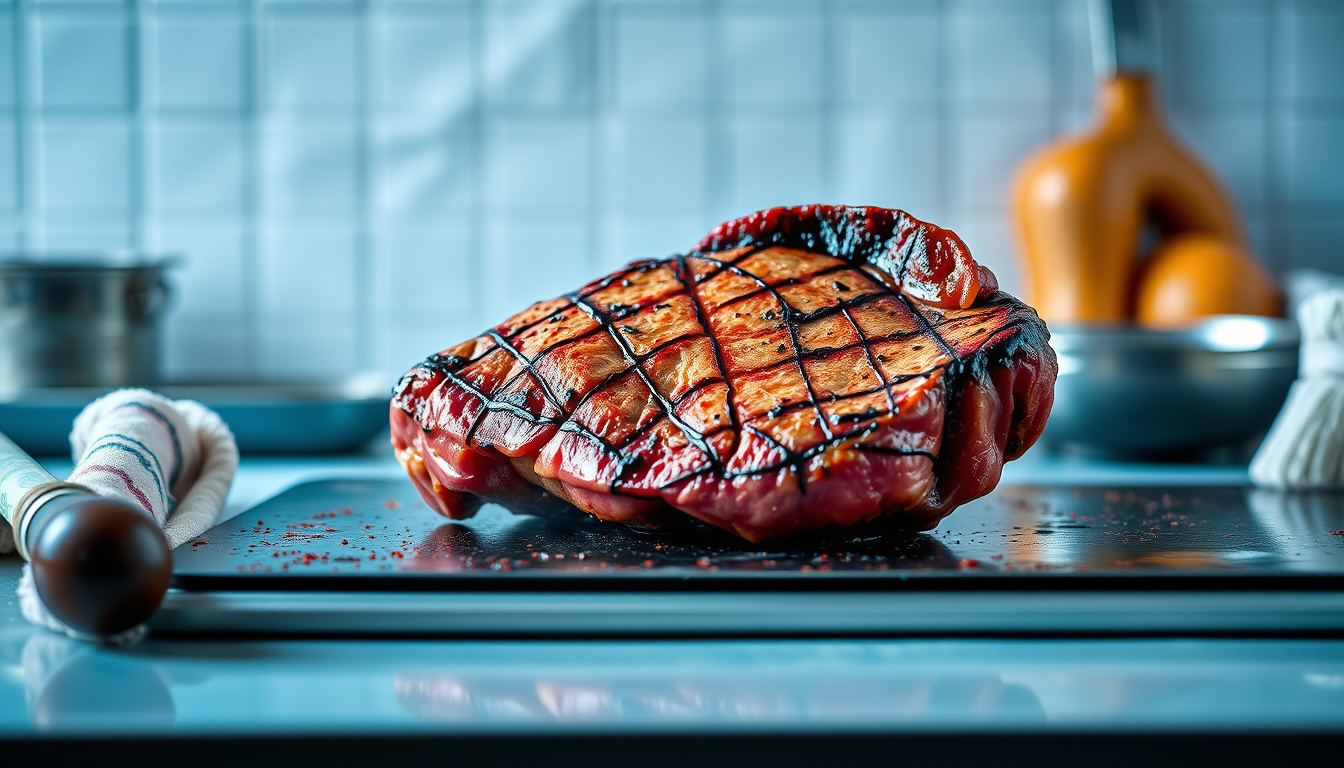
1. Pat the Meat Dry
Before cooking, use clean paper towels to thoroughly pat the meat dry. Focus on all surfaces, pressing gently but firmly to absorb moisture. This step helps remove surface water and is one of the easiest and most effective ways to improve searing.
2. Pressing Between Cloths
For further moisture removal, especially if the meat seems very wet, you can try gently pressing the meat between absorbent cloths (such as kitchen towels or Chux cloths) and a plate for several minutes. This method helps draw out excess water without crushing the meat.
3. Dry Brining
Dry brining involves lightly salting the meat and leaving it uncovered in the refrigerator for several hours or overnight. The salt draws water out initially but then reabsorbs it, seasoning the meat evenly and drying the surface slightly. Place the meat on a rack over a plate or tray to allow air circulation and moisture to evaporate. This technique is highly effective for chicken and beef cuts.
4. Air-Drying in the Fridge
For steaks and larger cuts, laying the meat on a tray lined with a towel in the fridge uncovered (or loosely covered with cloths) for up to 24 hours helps dry the surface. The dry air in the fridge promotes evaporation of surface moisture, helping with browning and flavor development. Always place meat on the lowest shelf to avoid cross-contamination.
5. Rinsing and Draining (With Caution)
Some regional cooking traditions start by rinsing meat briefly with cold water and then letting it drain well or pat dry before cooking. However, excessive rinsing can spread bacteria and is generally not recommended unless dealing with added solutions or preservatives.
Additional Tips to Manage Moisture During Cooking
- Use the right pan: A wide, shallow skillet with low, flared sides allows moisture to evaporate more efficiently than a deep or narrow pan.
- Avoid crowding: Cook meat in batches if necessary. Crowding the pan traps steam and increases moisture buildup.
- Proper heat control: Preheat the pan well and use a cooking fat (oil, butter) at the right temperature to encourage immediate searing.
- Resist flipping too often: Allow a crust to form by letting meat cook undisturbed initially.
- Consider the source: If you find consistent water leakage across different meats, consider switching brands or vendors, as some cheaper products may have water added during processing.
Understanding Dry Aging and Moisture Loss
Dry aging beef is an advanced technique used to intensify flavor and improve texture by controlled evaporation of moisture over extended periods (weeks). This cultural practice reduces water content naturally while allowing enzymatic processes to tenderize the meat. Home cooks can mimic a mild version of this by air-drying meat in the fridge as described above, though not to the same extent.
In Summary
Controlling moisture in meat is key to preparing juicy, flavorful, and well-textured dishes. Excess moisture, especially from water-added meats, can hinder proper browning and cooking. Implementing simple methods such as patting dry, pressing with cloths, dry brining, and air-drying helps remove unwanted water. Coupled with proper cooking techniques like using the right pan and heat, you can master the art of moisture control and enjoy beautifully cooked meat every time.
By following these practical tips, you will elevate your cooking outcomes, ensuring that every bite of meat is perfectly seared, tender, and packed with flavor.