Mandy Croft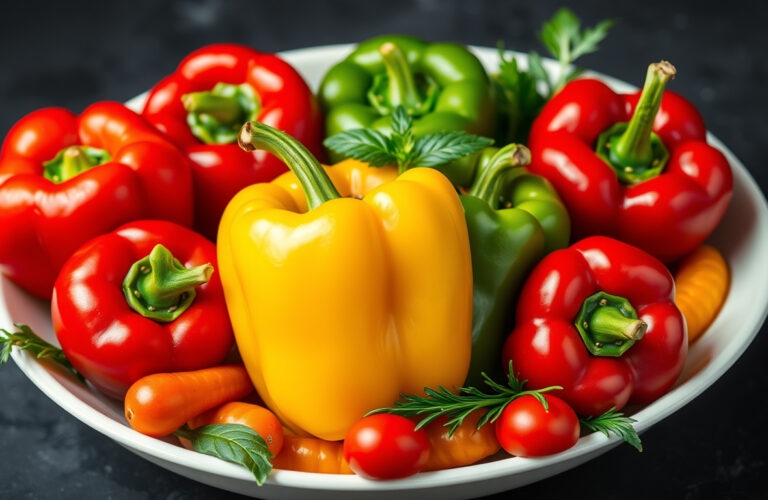
Bell peppers are among the most colorful and versatile vegetables you can add to your meals. With their crisp texture, sweet flavor, and a palette of colors ranging from green to red, yellow, and orange, bell peppers not only brighten up a plate but also enrich dishes with nutrients and vibrant appeal. Whether you want to elevate a simple weeknight dinner or craft an impressive dish full of flavor and color, learning how to incorporate bell peppers effectively is key.
Understanding Bell Peppers: Colors and Nutritional Benefits
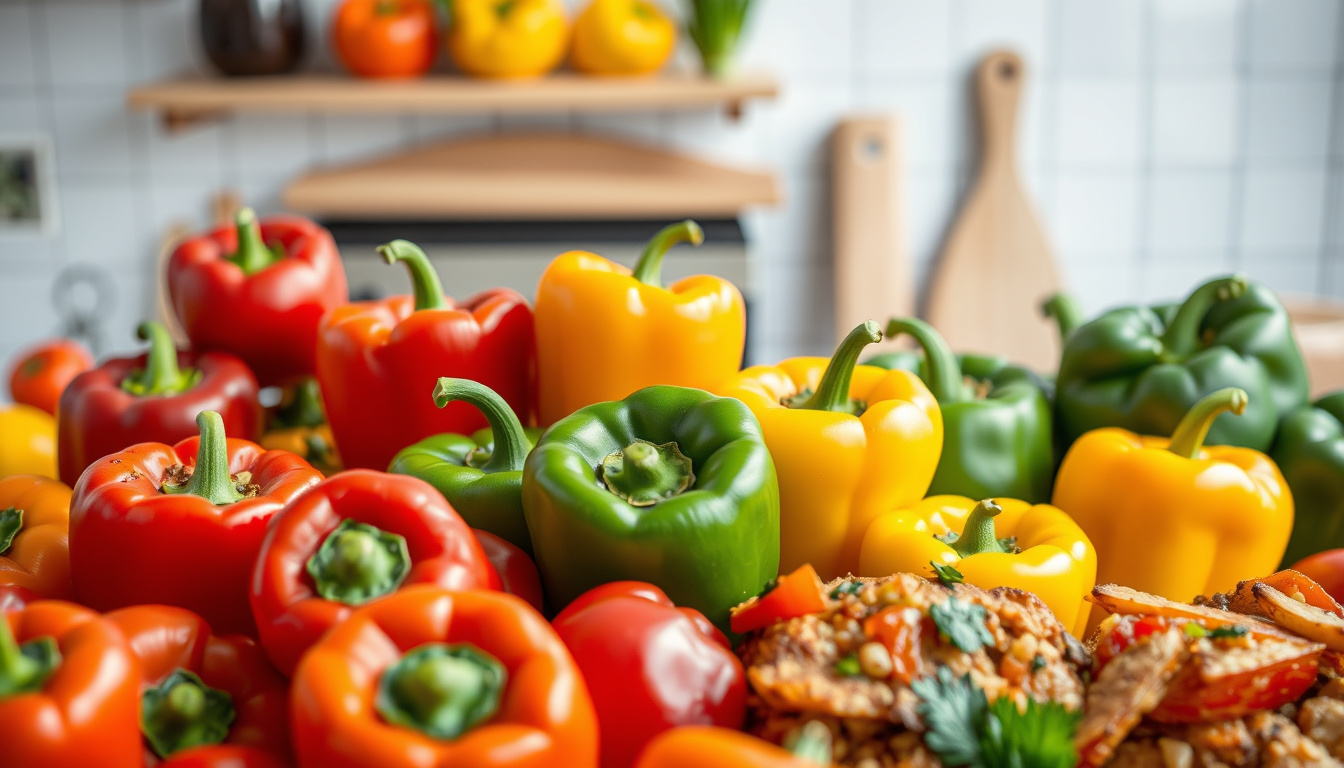
An important fact to know about bell peppers is that their different colors don’t come from distinct varieties but from different stages of ripeness. Green bell peppers are simply unripe fruits that gradually ripen to yellow, then orange, and finally red. This ripening process affects their sweetness and nutrient content—red bell peppers tend to be sweeter and have higher levels of vitamins A and C and antioxidants.
Regardless of color, bell peppers are a rich source of fiber, antioxidants, and essential vitamins like A, C, and B6, making them a nutritious and colorful addition to any meal.
Versatile Ways to Incorporate Bell Peppers for Color and Flavor
The spectrum of bell pepper colors adds a visually appealing contrast to dishes. Here are some tried-and-true methods to use them, gleaned from a variety of culinary traditions and recipes:
1. Stuffed Bell Peppers
One of the most iconic ways to feature bell peppers is by stuffing them with flavorful fillings such as ground meat, rice, beans, cheese, or grains like quinoa. Mediterranean stuffed peppers might be filled with chicken, olives, tomatoes, chickpeas, and feta cheese, making for a satisfying, hearty meal. Alternatively, you can try Mexican-inspired stuffed peppers filled with black beans, tempeh, salsa, and spices for a colorful and nutrient-dense option.
2. Stir-Fries and Sautés
Diced or sliced bell peppers add crunch and sweetness to stir-fries and sautéed dishes. Combine them with chicken, tofu, shrimp, or beef and an array of vegetables for balanced meals that are quick to prepare. Their vibrant colors naturally enhance the dish’s appearance and invite the appetite.
3. Roasted or Grilled Peppers
Roasting or grilling bell peppers brings out their natural sweetness and adds a smoky layer of flavor. Roasted bell peppers can be pureed into sauces, mixed into dips, or served as a warm side dish. Charred pepper strips are especially wonderful additions to fajitas or atop pizzas.
4. Bell Peppers in Sauces and Stews
Bell peppers form a vital part of many regional classics, such as the Creole "holy trinity" with onions and celery or Nigerian "Obe Ata" pepper stew. They contribute rich depth and a lively hue to tomato-based stews, chilis, and curries, making the dishes as colorful as they are flavorful.
5. Fresh in Salads and Raw Snacks
Raw bell peppers are crisp, sweet, and perfect for adding crunch and freshness to salads, taco bowls, or crudité platters. Their colors brighten simple side salads or make for a healthy snack that appeals to children and adults alike.
6. Sheet-Pan and One-Pot Meals
Incorporate tri-color bell pepper strips alongside chicken or sausage, sliced onions, and spices on sheet pans for simple, visually stunning dinners. The peppers roast with other ingredients, melding flavors effortlessly.
Tips for Cooking with Bell Peppers to Preserve Color and Taste
- Don’t overcook: Bell peppers lose their vibrant color and crispness if cooked too long. Quick sautéing or roasting until tender-crisp is usually ideal.
- Use a variety of colors: Mixing red, yellow, and green peppers in recipes boosts both visual interest and flavor complexity.
- Add near the end: For stir-fries and quick sautés, add bell peppers last to retain their bright color and texture.
- Peel after roasting if desired: A quick roast under high heat chars the skin, which can then be peeled off for a silky texture in sauces or dips.
Conclusion
Incorporating bell peppers for color in your dishes not only enhances their visual appeal but enriches meals with sweetness, nutrition, and texture. From stuffed peppers brimming with wholesome fillings to vibrant salsas, stir-fries, and roasted sides, these rainbow-hued vegetables offer endless culinary possibilities. Experiment with different recipes and cooking methods to make bell peppers a staple in your kitchen repertoire, bringing both vibrant flavor and color to your everyday meals.