Mandy Croft
Owning a wok is an invitation to explore a wide variety of delicious culinary creations, but maintaining it properly is key to ensuring years of great cooking. One of the most important habits is to clean your wok promptly after use. This simple practice not only preserves the wok’s seasoning and patina but also prevents rust and keeps the cooking surface non-stick and ready for your next meal. This guide will walk you through the best approach to cleaning your wok—especially carbon steel and cast iron varieties—with practical tips, dos and don’ts, and insights to troubleshoot common issues like stubborn residue.
Why Clean Your Wok Promptly?
After cooking, your wok will usually have bits of food, oils, and sauces sticking to the surface. Allowing these residues to sit for too long—especially acidic ingredients like tomato, vinegar, or citrus juice—can strip away the wok’s protective seasoning layer and lead to rust formation. Prompt cleaning while the wok is still warm makes it easier to remove these residues without damaging the surface, preserving the wok’s natural non-stick qualities.
Step-by-Step Guide: How to Clean Your Wok
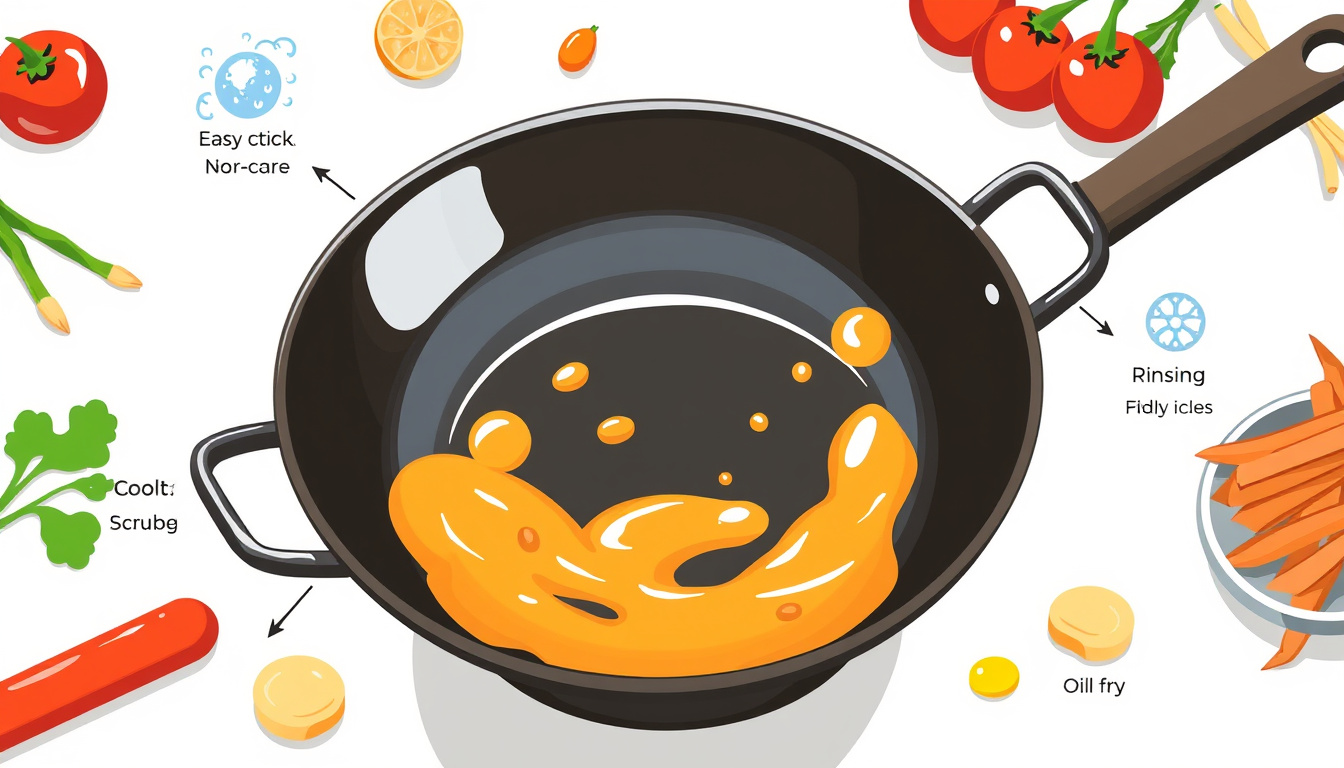
1. Cool Your Wok to a Safe Temperature
While it’s possible to clean the wok when it’s hot, it’s typically safest to let it cool slightly until it can be handled comfortably. Cleaning while warm helps because oils and food residues remain softer and easier to remove.
2. Remove Heavy Residue
If your wok has thick sauces or crusted food, use a metal spatula to gently scrape off these deposits under running water before you start scrubbing. This protects your sponge or brush from getting gunked up.
3. Scrub Gently But Thoroughly
Use a soft scrub brush, a sponge with a scouring pad, or a traditional bamboo wok brush to clean the wok surface in circular motions—starting from the center and working your way up the sides. This method ensures even cleaning without damaging the wok’s seasoning.
- For particularly greasy woks or after cooking meats and seafood, a small amount of mild dish soap is acceptable to use.
- Avoid harsh steel wool or stainless steel scrubbers as they can scratch and damage the wok and may leave metal shards behind.
4. Rinse and Drain
Rinse your wok thoroughly with hot water to wash away all soap and loosened particles. Tilt the wok to pour out any standing water and shake off excess moisture.
5. Dry Completely and Heat to Prevent Rust
Drying your wok immediately and thoroughly is critical to avoid rust. The best method is to place the wok back on the stove over medium heat until all moisture evaporates—this includes the bottom of the wok. You can also towel dry before heating to speed things up.
6. Oil Your Wok (Optional but Recommended)
If you don’t use your wok daily, lightly oiling the cooking surface after drying helps maintain the seasoning and prevents rust. Apply about a teaspoon of vegetable oil around the wok’s interior and wipe evenly using a paper towel. This adds a subtle protective layer and encourages a shiny, well-maintained patina.
Wok Cleaning Dos and Don’ts
Dos
- Wash your wok immediately after use, ideally while still warm.
- Use a metal spatula to scrape off heavy residues before washing.
- Use a soft scrub brush or sponge with circular motions.
- Dry and heat your wok completely after washing.
- Lightly oil your wok regularly, especially if it’s not used often.
- Use your wok frequently to build and maintain a good non-stick surface.
Don’ts
- Don’t leave food or water sitting in the wok for hours, especially acidic ingredients.
- Don’t soak the wok in water for long periods or overnight.
- Don’t put your wok in the dishwasher—it strips seasoning and promotes rust.
- Avoid abrasive scrubbers like steel wool as they can damage your wok.
- Don’t ignore rust spots; they can be restored with re-seasoning.
Handling Common Concerns
Why Is There Brown Residue After Washing?
Brown residue can be from leftover seasoning bits or carbonized oil deposits. This is normal if your wok has a developing patina. If the residue feels sticky or heavy, try using a light scrub with mild soap and ensure thorough rinsing and drying.
Can You Use Soap on Your Wok?
Yes, using mild dish soap occasionally is fine when removing strong grease, meat residues, or thick sauces. Daily quick cleans with just hot water are often sufficient, but a gentle soap wash won’t ruin a well-seasoned wok.
Should You Clean the Bottom of Your Wok?
While not absolutely necessary, keeping the outside and bottom clean is beneficial, especially if you have a glass cooktop or electric stove. Grimy buildup can scratch cook surfaces or burn unpleasantly. A periodic scrub of the bottom with a brush is advisable.
Conclusion
Keeping your wok clean and ready for action requires prompt attention after each cooking session. By cooling slightly, scraping off residues, scrubbing gently, rinsing thoroughly, drying completely, and optionally oiling, you preserve your wok’s seasoning and prevent rust. These simple habits ensure that your wok will stay in excellent condition, develop a beautiful non-stick patina, and remain your trusty companion for countless delicious stir-fries and more. Embrace these care routines as part of your cooking process, and enjoy your culinary adventures with a sparkling clean wok every time!